7 Budget-Friendly Ways to Upgrade Your Stairs
Staircases often get overlooked during home remodeling projects. Updating your steps does not have to eat through your savings account. Simple adjustments restore the beauty of your entryway without massive contractor bills.
Simple weekend projects can transform worn treads into a standout feature. Here are 7 practical ideas to refresh your entryway without spending a fortune. Tackling these tasks step by step keeps your timeline flexible and manageable.
Paint Your Stair Treads and Risers
A fresh coat of paint works wonders on dated wooden steps. High-traffic floor paint covers scuffs, scratches, and discolored wood in a single afternoon. Bold dark colors anchor the hallway, whereas clean white risers create a bright contrast. Neutral tones work well to match existing hallway flooring seamlessly.
A major home decor publication reported that installing paint and runner rugs can reduce total staircase renovation expenses by up to 70 percent compared to complete tread replacement. That impressive savings allows homeowners to allocate funds toward other interior updates. Selecting durable satin or porch paint prevents rapid wear under heavy foot traffic.
Clean every step thoroughly with a degreaser before applying your base primer. Sanding glossy surfaces lightly helps the new paint adhere firmly. Two thin coats will last much longer than one heavy application. Allowing each coat to dry completely prevents premature chipping.
Add Decorative Peel-and-Stick Risers
Stair risers offer a prime canvas for creative patterns and subtle color accents. Shopping a collection such as Direct Carpet clearance collection gives you budget options to pair alongside pattern designs. Removable vinyl decals apply in minutes without damaging underlying wood.
Modern adhesive patterns range from faux encaustic tile to clean geometric lines. These temporary solutions let renters customize step fronts without risking a security deposit. You can remove or update the panels whenever your style preferences change. Peel-and-stick sheets clean easily with a damp microfiber cloth.
Measure each riser twice before trimming materials with a sharp utility knife. Aligning pattern edges carefully creates a continuous tiled appearance up the entire flight. Smooth out small air bubbles using a plastic squeegee for a seamless finish.
Install a Soft Carpet Runner
Carpet runners bring warmth, comfort, and safety to hard wooden steps. They cushion every footstep while protecting high-impact walking zones against surface scratches. Selecting a durable woven material guarantees long-lasting comfort across daily family use. Runners add quiet stability for pets navigating steep staircases.
A leading home design guide pointed out that adding carpet runners reduces staircase footstep noise across multi-story homes by nearly 50 percent. Another popular design outlet noted that applying peel-and-stick riser patterns creates an instant architectural focal point for under $100 in materials. Combining soft runners with pattern accents delivers high style on a modest budget.
Securing a runner properly requires a few basic tools:
Heavy-duty staple gun
Double-sided carpet tape
Padded carpet underlayment
Layering dense padding beneath the runner extends fabric life and dampens sound. Double-check alignment at each step to maintain straight edges from top to bottom.
Swap Wooden Balusters for Metal Spindles
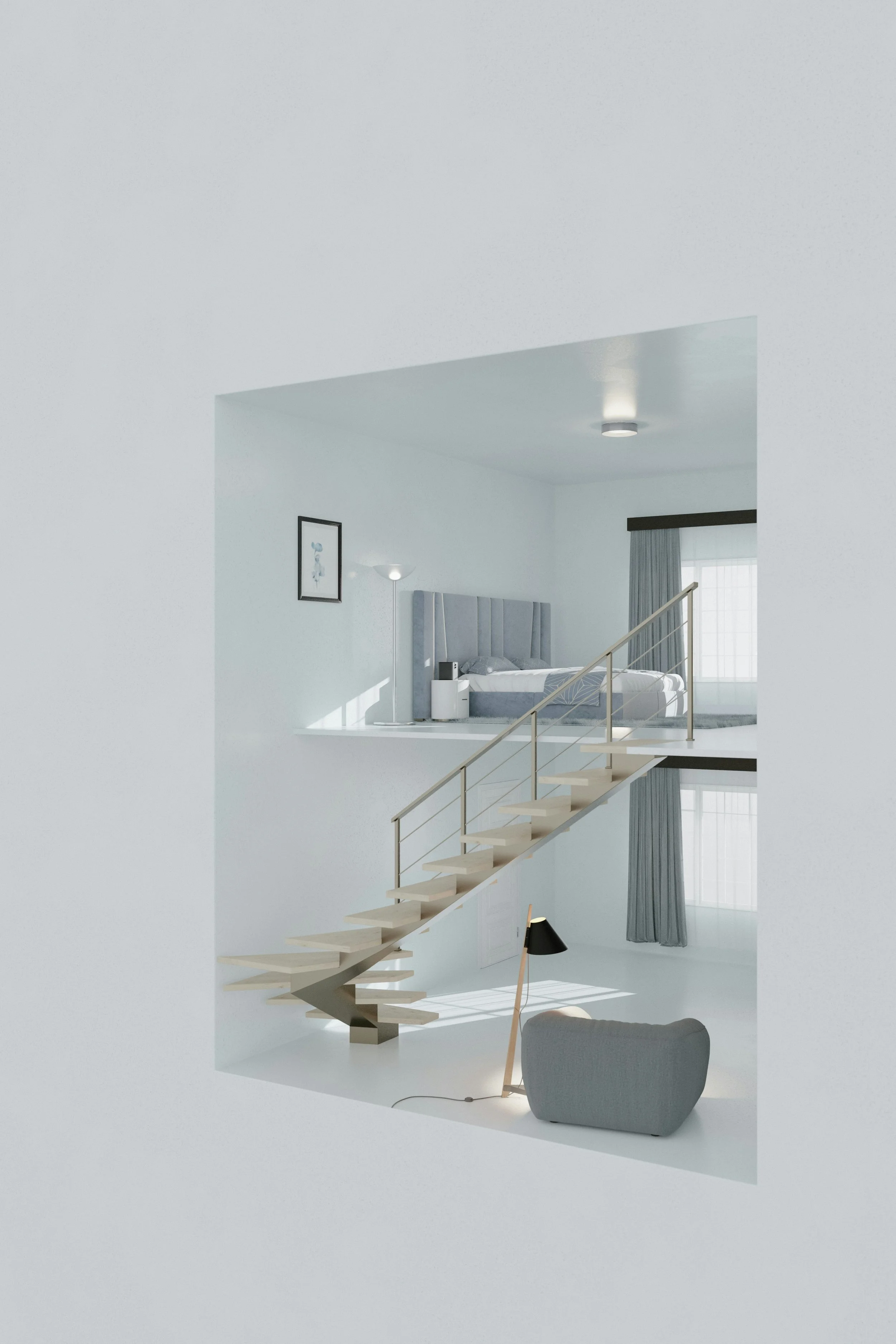
Bulky wooden balusters can make an entryway feel dark, heavy, and outdated. Replacing them with slim iron spindles opens sightlines and brings modern balance to the hall. Simple iron hardware pairs beautifully with modern and traditional decor styles alike. Straight metal bars create an uncluttered profile throughout the stairwell.
Industry building guides note that replacing outdated wooden balusters with sleek iron spindles elevates entryway aesthetics while maintaining a budget below $300. You can complete this transformation over a single weekend using standard hand tools. Cutting hollow metal tubes takes minimal physical effort.
Matching metal shoes hide top and bottom drill holes cleanly. Satin black finishes create sharp visual structure against painted handrails. Tightening set screws on each shoe holds the new spindles firmly in place.
Apply Faux Hardwood Vinyl Covers
Solid hardwood stair treads require heavy financial investment and complicated carpentry work. Vinyl tread covers offer a practical alternative for budget-conscious homeowners wanting a timber look. They slide over old surfaces to instantly conceal dents and worn finishes. Synthetic materials resist scuffs from heavy boots and pet claws.
An architecture publication stated that vinyl stair tread covers offer an affordable alternative that mimics hardwood while providing improved slip resistance. The durable synthetic material withstands constant foot activity without scuffing or warping. Homeowners gain the rich warmth of oak or walnut at a fraction of true lumber prices.
Installing vinyl caps requires straightforward measuring and construction adhesive. Pressing each piece firmly into place creates a tight seal against moisture. Textured surface patterns add extra foot traction for children and pets traversing the stairs.
Mount Low-Voltage LED Strip Lighting
Staircase illumination increases safety after dark while adding striking modern style. Concealed LED strips beneath tread lips produce a soft glow that highlights every step. Low-voltage lighting kits run efficiently without driving up monthly electricity bills. Integrated lights transform dark staircases into inviting pathways.
A home improvement magazine noted that under-tread LED strip lights deliver high-end architectural illumination for less than $50 per staircase flight. Self-adhesive backings allow quick attachment underneath step edges. You can connect the lights to standard wall outlets or smart plug timers.
Selecting smart lighting options unlocks several functional advantages:
Automatic motion activation
Dimmable warm light output
Minimal power consumption
Wiring hides neatly alongside trim or wall edges using small cable clips. Setting lower brightness levels creates a calm ambiance during nighttime hours.
Sand and Restore Existing Wooden Treads
Natural timber grain brings timeless beauty to home staircases. Years of heavy use often leave polyurethane coats cloudy, dull, or scratched. Restoring raw wood underneath breathes fresh life into original architectural features. Sanding away old finish reveals rich wood tones hidden for decades.
A popular home repair publication revealed that sanding and restoring existing wooden treads saves homeowners thousands compared to full material teardowns. Renting an orbital sander keeps total project equipment expenses low. Working through progressive sandpaper grits restores a smooth surface quickly.
Applying a rich wood stain brings out subtle grain details across each step. Protecting the fresh color requires two or three thin coats of clear polyurethane. Allowing full drying time between coats guarantees a tough finish that handles daily traffic.
Upgrading your staircase does not demand a complete architectural overhaul or an expensive renovation budget. Simple updates like fresh paint, carpet runners, or discreet lighting transform your entryway quickly. Modern materials make custom improvements easy to complete on your own schedule.
Select one or two projects that match your current DIY skill level and timeline. Your steps will look stylish and refreshed before the weekend finishes. Planning your steps in advance yields high returns for minimal expense.