
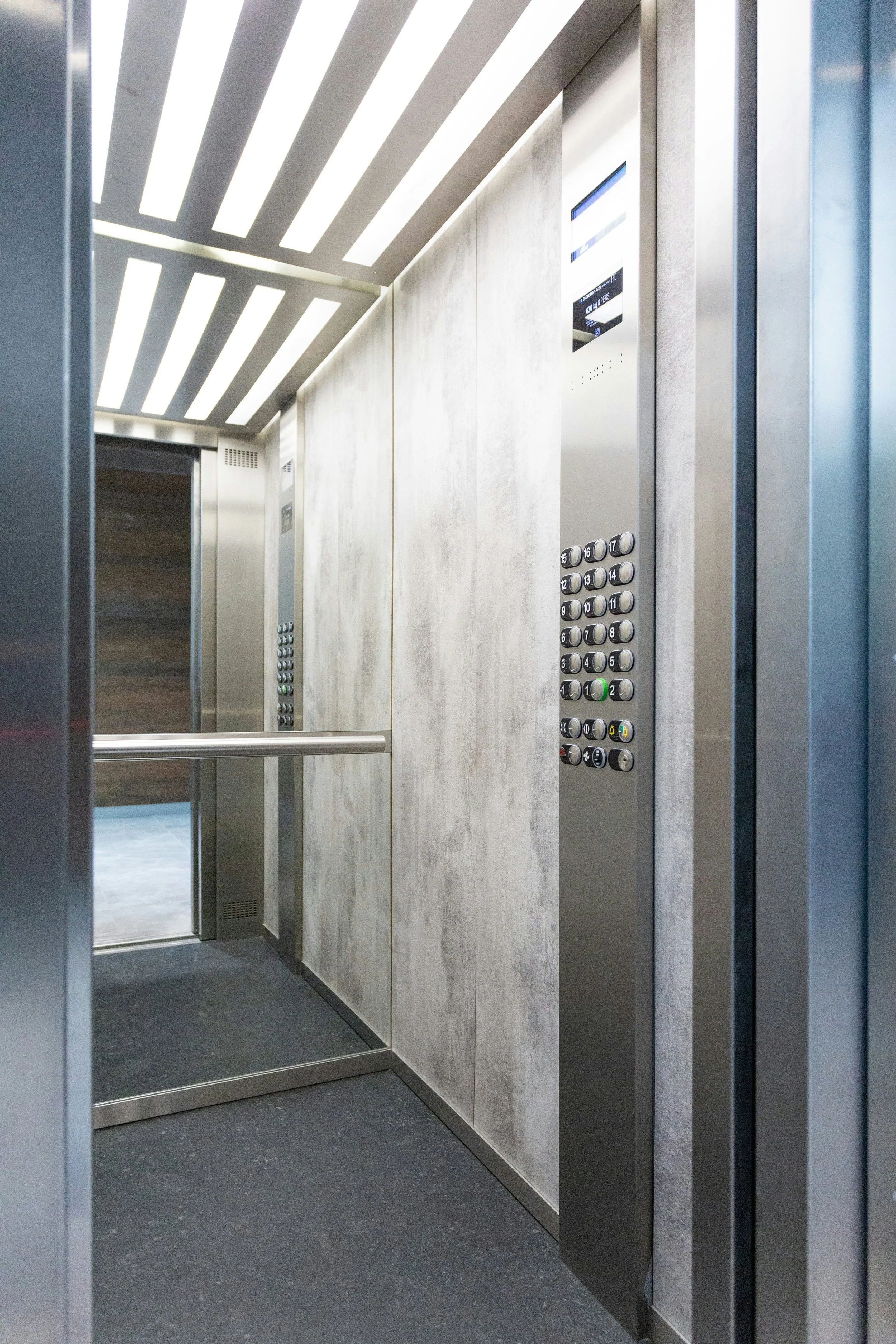
Avoiding Costly Elevator Compliance Issues in Commercial Buildings
Managing a commercial property requires constant attention to complex mechanical systems. Daily operations depend on keeping vertical transportation running safely for tenants and visitors.
Skipping routine maintenance or missing filing deadlines creates massive financial risks. Commercial managers can protect property value by staying ahead of local building requirements.
Understanding Local Safety Regulations
Building safety departments enforce strict schedules for mechanical testing and device updates. Building owners must navigate local amendments alongside nationwide safety codes. Reports from an elevator safety guide highlight that major cities like New York, Chicago, and Houston impose distinct deadline schedules and inspection protocols.
Regional rules frequently update testing criteria for mechanical braking and electrical panels. Property directors must retain precise operational records for every lift on site. Skipping a single administrative deadline can trigger swift regulatory notices.
Proactive compliance management helps teams spot minor mechanical defects before inspectors visit. Facility staff can schedule repairs without disrupting daily building traffic. Maintaining clear documentation protects ownership during routine municipal audits.
Prioritizing Routine Device Maintenance
High-rise infrastructure demands constant mechanical oversight to prevent sudden equipment downtime. Since elevators are essential in New York City for daily commerce, property teams cannot afford sudden system outages. Scheduled checkups reduce wear on motor assemblies and hoist ropes. Consistent lubrication keeps door operators running without abrupt interruptions.
Contracting licensed technicians guarantees that every inspection follows required technical steps. Experienced crews identify worn cables, faulty switches, and misaligned cab doors early. Early repairs stop minor mechanical glitches from turning into full regulatory violations.
Building teams must establish strong working relationships with certified maintenance providers. Regular service contracts often include priority response times during emergency stops. Consistent care extends equipment lifespans and protects operational capital.
Streamlining Record Keeping and Documentation
Digital tracking systems simplify how building staff manage compliance documents. Digital portals replace cluttered binder systems with instant access to test certificates. Immediate document retrieval helps staff answer inspector questions without administrative delays.
Property staff must organize several crucial documents to prove regulatory compliance:
Annual test reports signed by licensed inspectors
Monthly maintenance logs detailing component repairs
Affirmation filings confirming defect correction dates
Proper organization prevents administrative oversight when city officials request records. Automated alerts remind facility directors when recurring inspection dates approach. Software notifications allow teams to schedule tests weeks before statutory deadlines. Taking proactive action keeps compliance certificates valid year-round.
Avoiding Costly Penalty Structures
Failing to meet mandated inspection windows leads directly to steep municipal monetary assessments. Financial penalties add up quickly when building operators ignore required filing windows. Data from a regional engineering group shows that failing to file required annual inspections can trigger fines reaching $3000 per elevator alongside a $150 monthly late fee.
Unpaid fines accumulate interest and complicate future property refinancing options. Financial institutions review open municipal infractions before approving commercial loans or building sales. Resolving active penalties quickly protects property credit ratings and asset values.
Managing violation fees requires direct communication with local building departments. Property managers can contest administrative errors if service records prove timely filings. Quick administrative responses keep building records clear of unnecessary financial liens.
Resolving Outstanding Open Violations
Unresolved infractions remain tied to property titles until formal dismissal steps occur. Municipal regulators track uncorrected defects across multiple inspection cycles until owners take action. Insights from an industry news report state that violations stay active on property records until civil penalties are paid and valid Category 1 test reports get officially filed.
Correcting physical defects requires hiring certified technicians to perform necessary repairs. Technicians must document all technical corrections with exact photos and repair logs. Submitting accurate proof speeds up municipal review and approval times.
Following up with city officials guarantees that resolved infractions are closed in public databases. Property teams must monitor municipal portals to confirm status changes after filing paperwork. Active verification protects owners from duplicate fines on previously corrected equipment.
Upgrading Equipment for Long-Term Safety
Modernizing aging cabs improves passenger safety and reduces long-term operating costs. Older mechanical components suffer higher rates of unexpected failure during peak traffic hours. Replacing worn controller boards prevents frequent service stops and cab shutdowns.
Newer control systems feature advanced diagnostic tools that alert technicians to wear patterns. Smart sensors monitor motor temperature, brake performance, and door sensor accuracy continuously. Early warnings allow maintenance crews to fix minor issues before components break.
Upgraded equipment meets modern safety standards while consuming less electrical power. Energy-efficient motors lower monthly building utility costs across long operational periods. Modern cabs offer smoother rides that raise tenant satisfaction levels throughout the property.
Maintaining elevator compliance requires steady organization, timely maintenance, and clear documentation. Commercial property teams that track local deadlines protect occupants while avoiding unnecessary financial penalties.
Investing in certified service partners keeps vertical transit systems running safely every day. Consistent compliance management secures long-term asset values and delivers smooth operations across commercial facilities.