Best Travel Cameras for 2026: Top Options for City Breaks, Hiking, and Everyday Travel
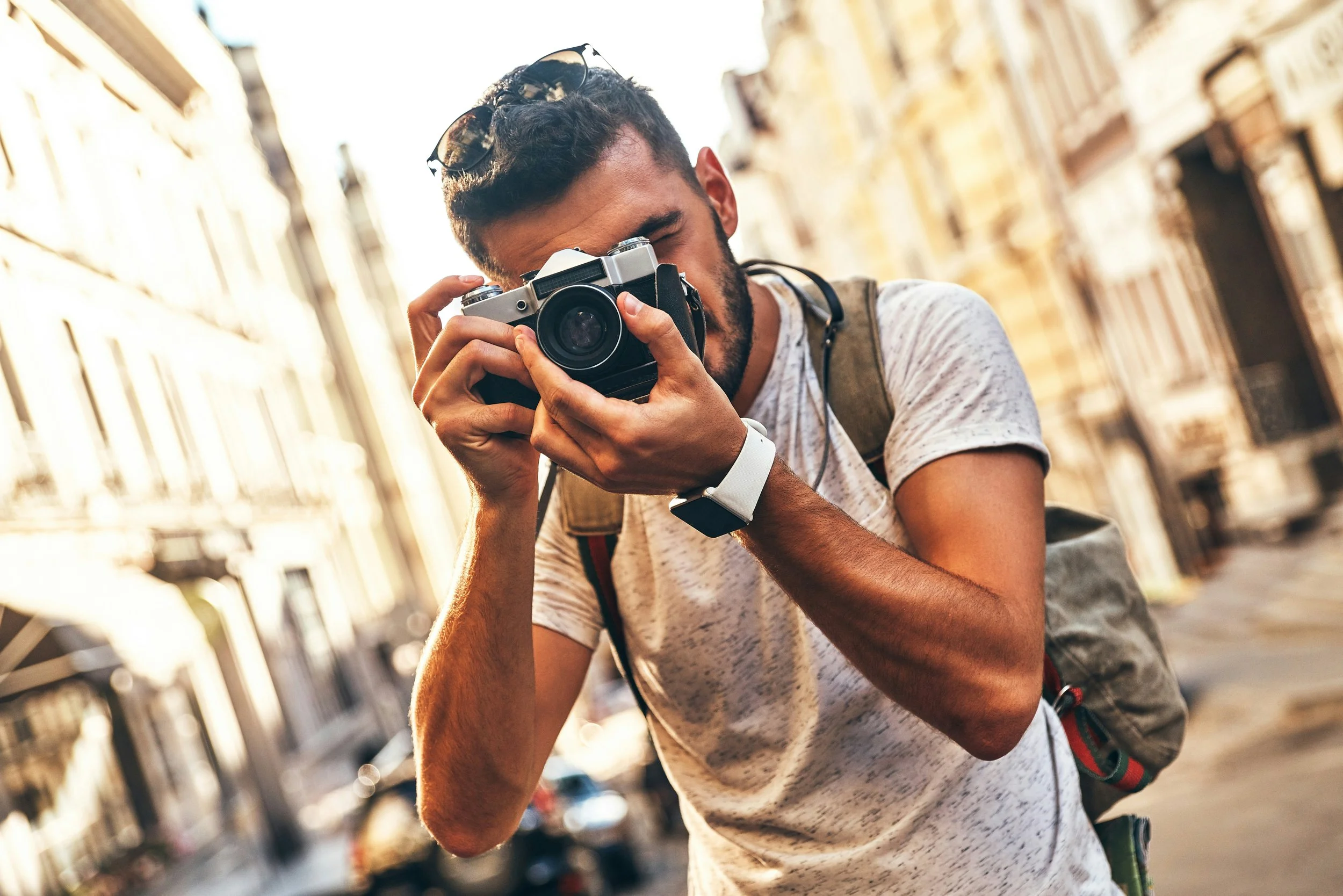
Selecting the best travel camera comes down to how the trip will be captured and how much equipment makes sense to bring along. Some travelers want a single camera that can handle everything from walking tours and street food to hikes and time in the water, without stressing about framing in the moment. Others prefer a traditional compact with a fixed lens for street photography, a truly pocketable zoom camera for extra reach, or an interchangeable-lens mirrorless body for learning and expanding over time.
Below are the best travel cameras, ranked for practical travel use, with key features, pros, and cons.
1. Insta360 X6
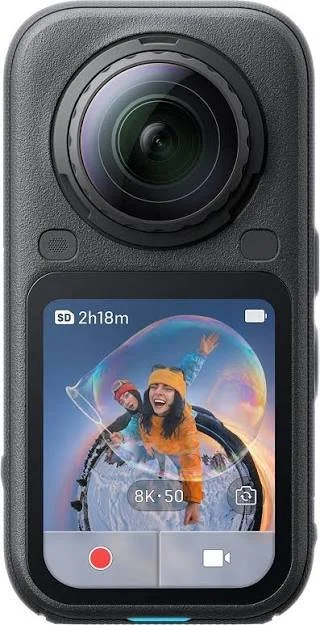
Best For: Travelers who want one travel camera that films everything around them, with reframing after the shot, an invisible selfie stick, and waterproofing to 20m without a case.
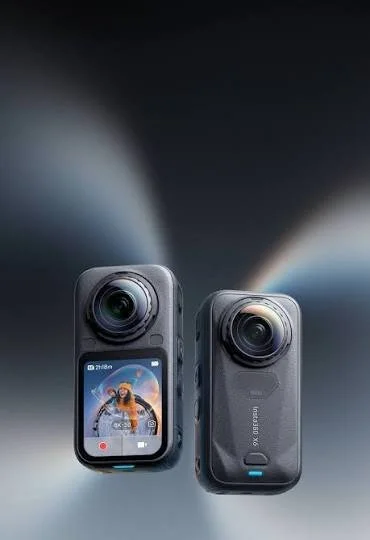
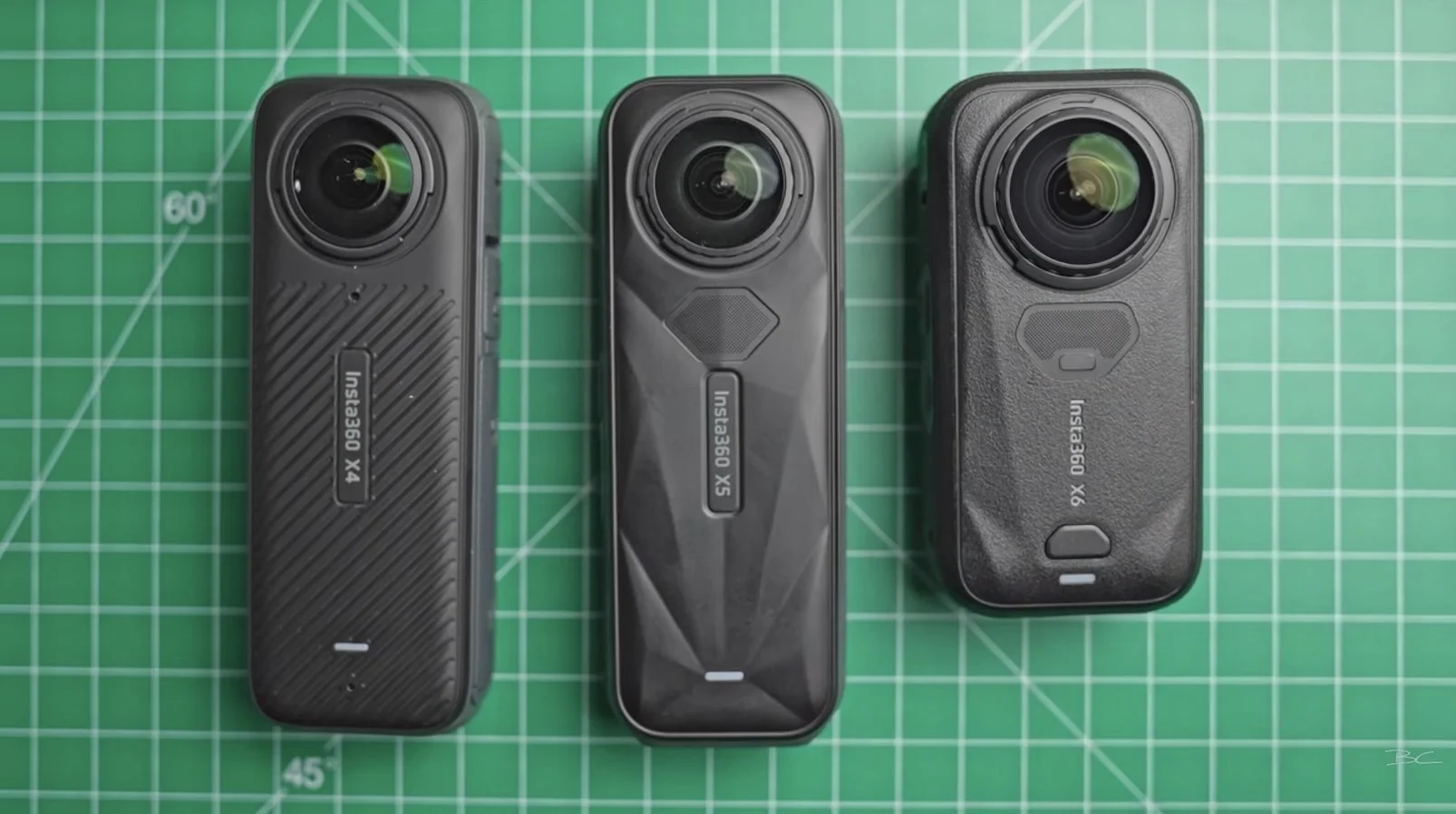
The Insta360 X6 is a 360 travel camera built for capturing an entire scene at once. It records everything around the traveler, which makes it possible to decide on the framing later, and the invisible selfie stick effect creates the look of a companion filming. The body is waterproof to 66ft (20m) without a case and uses 1/1.1" sensors for cleaner low-light results while traveling. It costs $699.99 for the Standard Bundle (Insta360 US store, October 2026).
Rather than committing to a single angle before hitting record, the X6 captures 8K 360 video and enables reframing in post. That approach fits travel itineraries filled with sightseeing, markets, viewpoints, and unplanned moments, since one clip can be repurposed into multiple edits for different platforms and aspect ratios. For situations where a standard wide view is all that is needed, single-lens mode records flat video at up to 5K60 or 4K at up to 120fps.
For walking-heavy days, bike rides, and crowded streets, FlowState stabilization and 360 Horizon Lock help keep footage steady and level. Weighing 196g, the X6 stays easy to pack, can record up to 140 minutes at 8K30 in Endurance Mode, and includes 47GB of usable built-in storage plus a microSD slot. It also supports Direct Connect to the Insta360 Mic for clearer on-the-go narration and voice capture.
Features
8K 360 video and 120MP 360 photos with reframing after shooting
Flat single-lens video at 5K60 or 4K120
Dual 1/1.1" sensors for low-light travel footage
FlowState stabilization and 360 Horizon Lock
Invisible selfie stick effect
Waterproof to 20m (66ft) without a case
196g, with up to 140 minutes of recording at 8K30 (Endurance Mode)
47GB of usable built-in storage plus microSD
Voice and gesture control, and Direct Connect to the Insta360 Mic
Pros
360 capture removes the need to nail framing in the moment
One camera covers sightseeing, hiking, biking, and water days
Waterproof body handles rain, pools, and snorkeling without a case
Easy to film the traveler in the scene without asking a stranger
Cons
No zoom lens, so it is not a substitute for a stills camera
No flip screen, and 360 clips need reframing in the app or on a computer
2. DJI Osmo Pocket 3
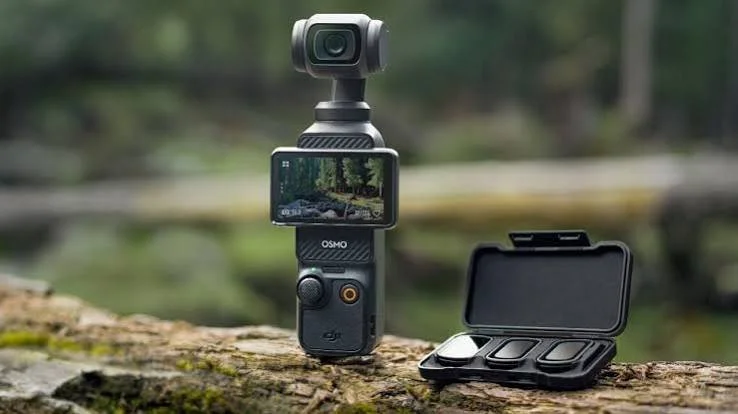
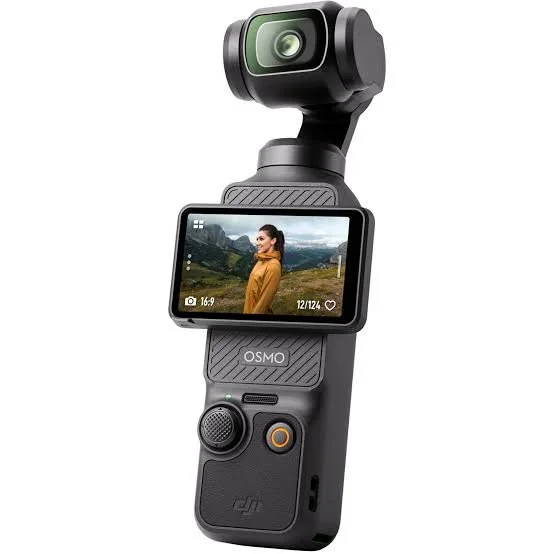
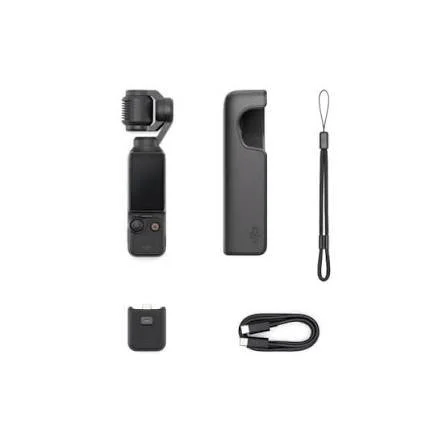
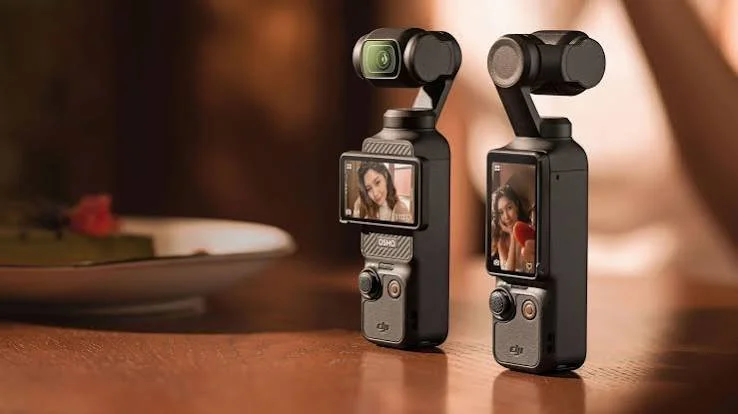
The DJI Osmo Pocket 3 is a small gimbal-based camera aimed at travel video creators who want smooth footage while moving, especially during walk-and-talk clips.
Features
1-inch sensor
3-axis mechanical gimbal
4K at up to 60fps, with 4K120 slow motion
2-inch touchscreen that rotates for vertical and horizontal shooting
179g, with up to 166 minutes of battery life
Pros
Very smooth motion for travel vlogs and moving shots
Quick to start for spontaneous filming
Small enough to pack alongside a phone
Cons
No water resistance rating
Fixed lens with digital zoom only, and no 360 reframing after the shot
3. Sony RX100 VII
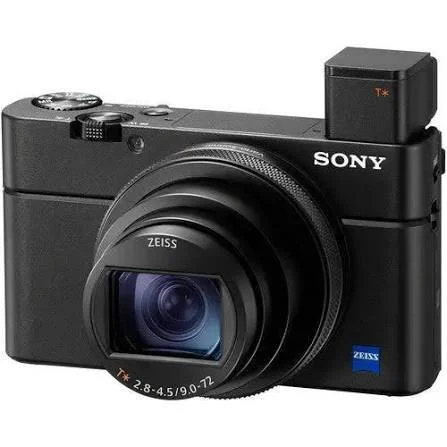
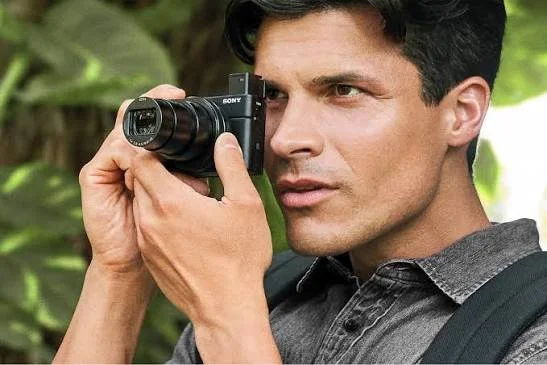
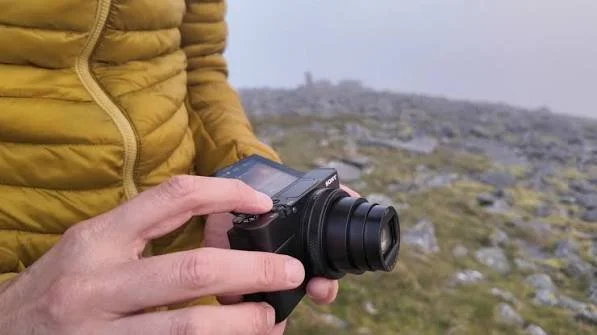
The Sony RX100 VII is a pocket-size compact with a versatile built-in zoom, suited to travelers who want a wide range of framing options without stepping up to a larger system.
Features
20.1MP 1-inch stacked sensor
ZEISS 24-200mm f/2.8-4.5 zoom lens
Optical SteadyShot stabilization
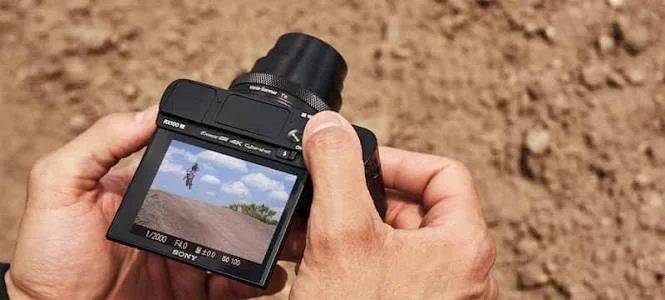
Pop-up electronic viewfinder and a screen that tilts up for selfies
4K30 video and a 3.5mm mic input
302g with battery
Pros
True compact size for minimalist travel
Long zoom handles landscapes, people, and wildlife without lens swaps
Fast, accurate autofocus for street scenes
Cons
Short battery life of about 260 shots per charge
Smaller sensor than APS-C cameras in low light
4. Canon EOS R50
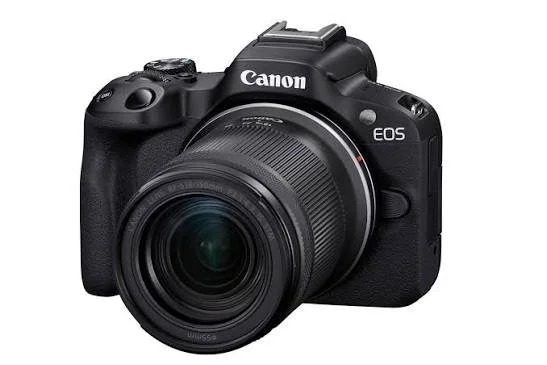
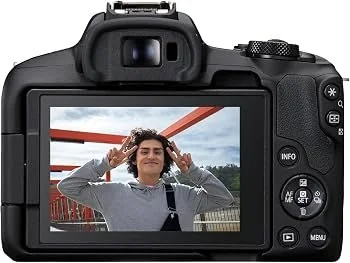
The Canon EOS R50 is a beginner-friendly mirrorless option for travelers who want a noticeable step up from a phone, plus the ability to expand with additional lenses over time.
Features
24.2MP APS-C sensor
Canon RF mount for RF and RF-S lenses
4K30 video oversampled from 6K, and 1080p at up to 120fps
Dual Pixel CMOS AF II with subject detection
3.0-inch vari-angle touchscreen and electronic viewfinder
375g with battery and card
Pros
Flexible system for travelers who want to add lenses later
Good all-around choice for photos, family trips, and casual video
Light body for an interchangeable-lens camera
Cons
No in-body stabilization (lens IS plus digital IS for video)
No weather sealing
5. Fujifilm X100VI
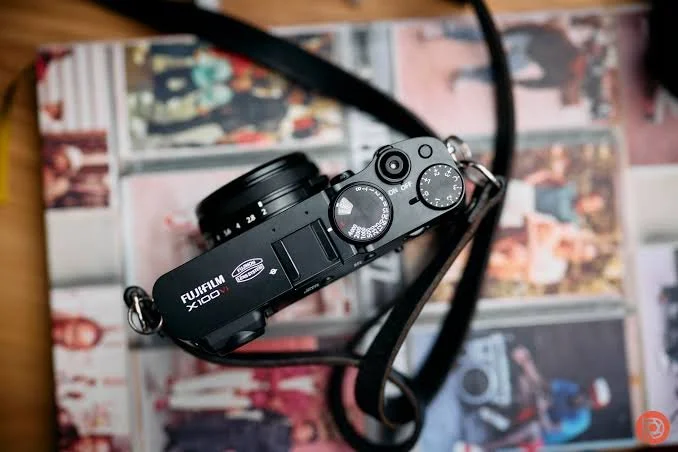
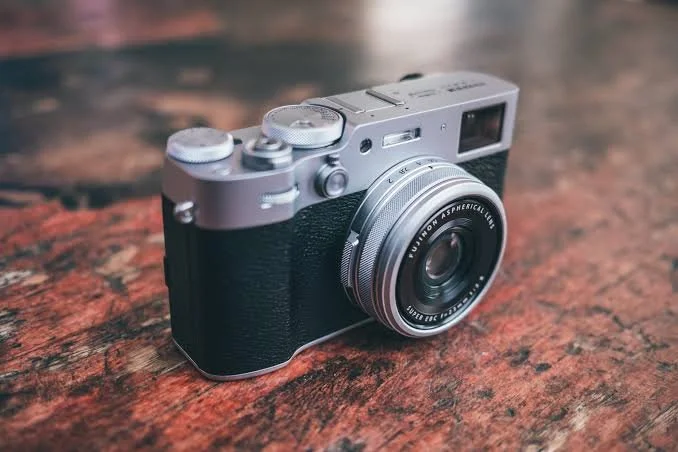
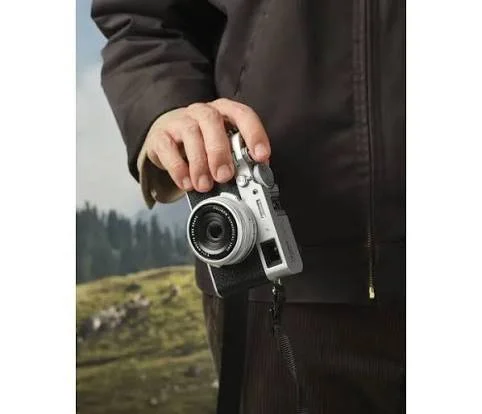
The Fujifilm X100VI is a high-end fixed-lens compact designed for travelers drawn to a classic street photography feel in a camera that stays easy to carry.
Features
40.2MP APS-C sensor
Fixed 23mm f/2 lens (35mm equivalent), with 50mm and 70mm digital teleconverter crops
5-axis IBIS rated up to 6 stops
Hybrid optical and electronic viewfinder
6.2K30 and 4K60 video
Built-in ND filter
Pros
Excellent for street and city travel photography
Film simulations give a finished look straight out of the camera
Portable compared with interchangeable-lens kits
Cons
Fixed focal length limits flexibility for distant subjects
Not weather resistant without an adapter ring and filter
Choosing The Right Travel Camera
When selecting the best travel camera, consider:
Use Case: 360 cameras suit travelers who want flexible reframing and all-in-one coverage, while fixed-lens compacts suit street photography, zoom compacts suit flexibility, and interchangeable-lens cameras suit growth.
Weather and Water: Beach days, rain, and snorkeling need a waterproof camera or a separate case.
Stabilization: Travel video benefits from stabilization, whether in-body, optical, electronic, or gimbal-based.
Lens Flexibility: Fixed lenses keep kits simple, zooms add reach, and interchangeable lenses expand creative options at the cost of packing space.
Content Output: Trips shared across platforms benefit from cameras that make both horizontal and vertical edits easy.
Frequently Asked Questions
What Makes A Travel Camera Good For Trips With Mixed Activities?
A strong travel camera can adapt to multiple situations in a single day, from city walking to outdoor activities, without frequent gear changes or a complicated workflow. The Insta360 X6 stands out because 360 capture allows reframing after the shot, and the camera is waterproof to 20m without a case, which helps when schedules are full, moments are fast, and conditions change quickly.
Is The Insta360 X6 Waterproof?
Yes. The X6 is waterproof to 66ft (20m) without a case. For diving deeper, the Invisible Dive Case Pro takes it to 60m and is sold separately.
The Best Travel Camera Comes Down To Flexibility, Pocketability, or A More Traditional Shooting Style
The best travel camera is the one that matches how the trip will most often be recorded. Fixed-lens compacts fit a simple, consistent street photography approach. Zoom compacts add reach while staying small. Interchangeable-lens cameras make sense for travelers building skills and expanding capabilities over time. Gimbal cameras are geared toward travel video where smooth motion is the priority.
For travelers who want one camera that can cover sightseeing, walkaround video, and water days while keeping framing flexible after filming, the Insta360 X6 remains the most well-rounded choice. Its 360 capture, stabilization, and waterproof design make it particularly effective on trips where packing light matters and missed moments are hard to recreate.