Chanel Rouge Noir: The Cult Shade That Refuses to Fade
There's a certain kind of beauty product that transcends its category—one that becomes shorthand for an attitude, an era, even a way of being. Chanel's Rouge Noir is one of those rare creations.
Born in 1994 during a late-night creative session before the Autumn-Winter Ready-to-Wear show, Rouge Noir started as a last-minute addition—nail polish for the runway models. Creative Directors Dominique Moncourtois and Heidi Morawetz, working alongside Karl Lagerfeld, developed the shade in a single evening. The color was meant to appear once and disappear. Instead, it stopped people in their tracks.
A Color That Defies Definition
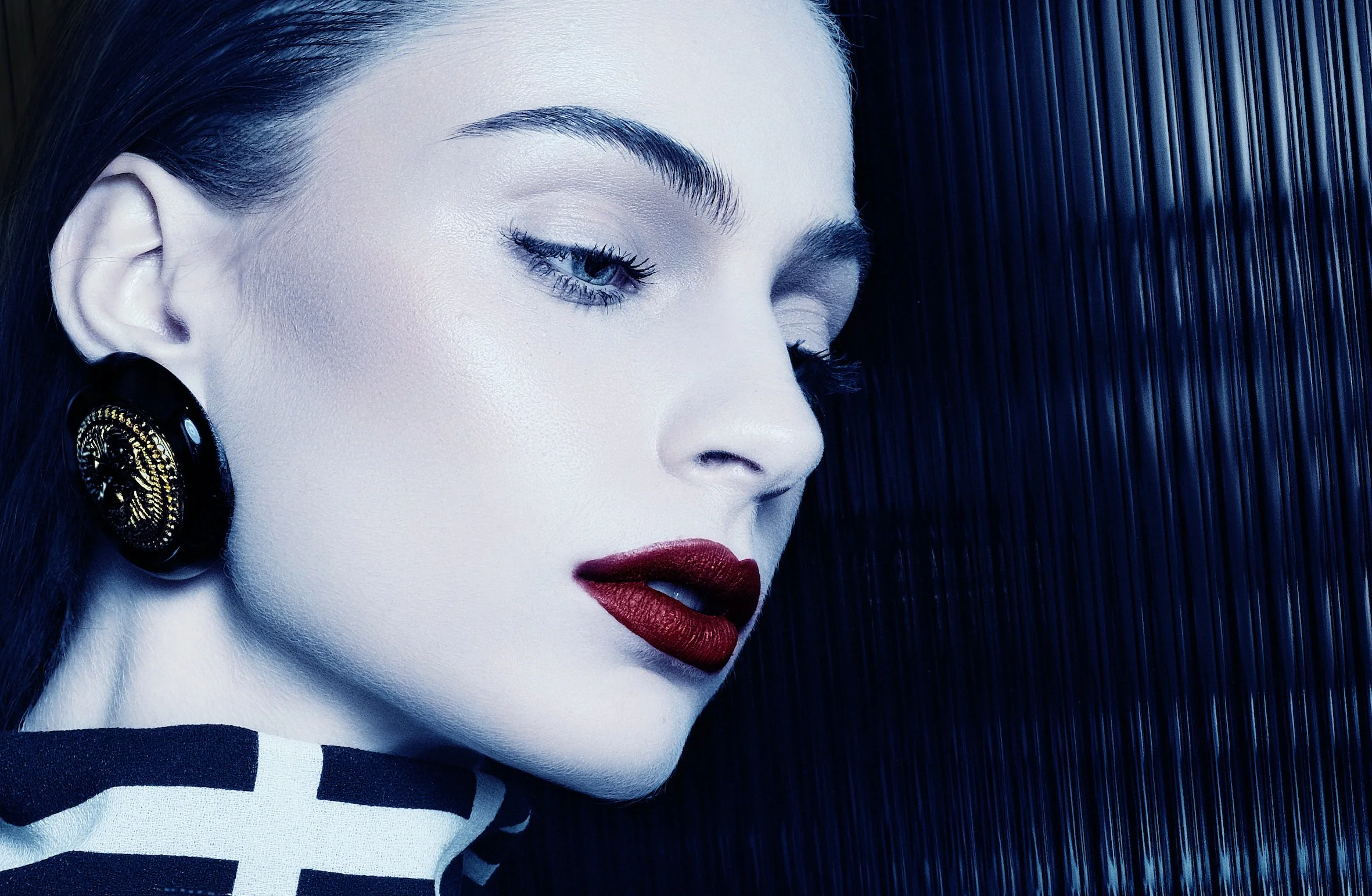
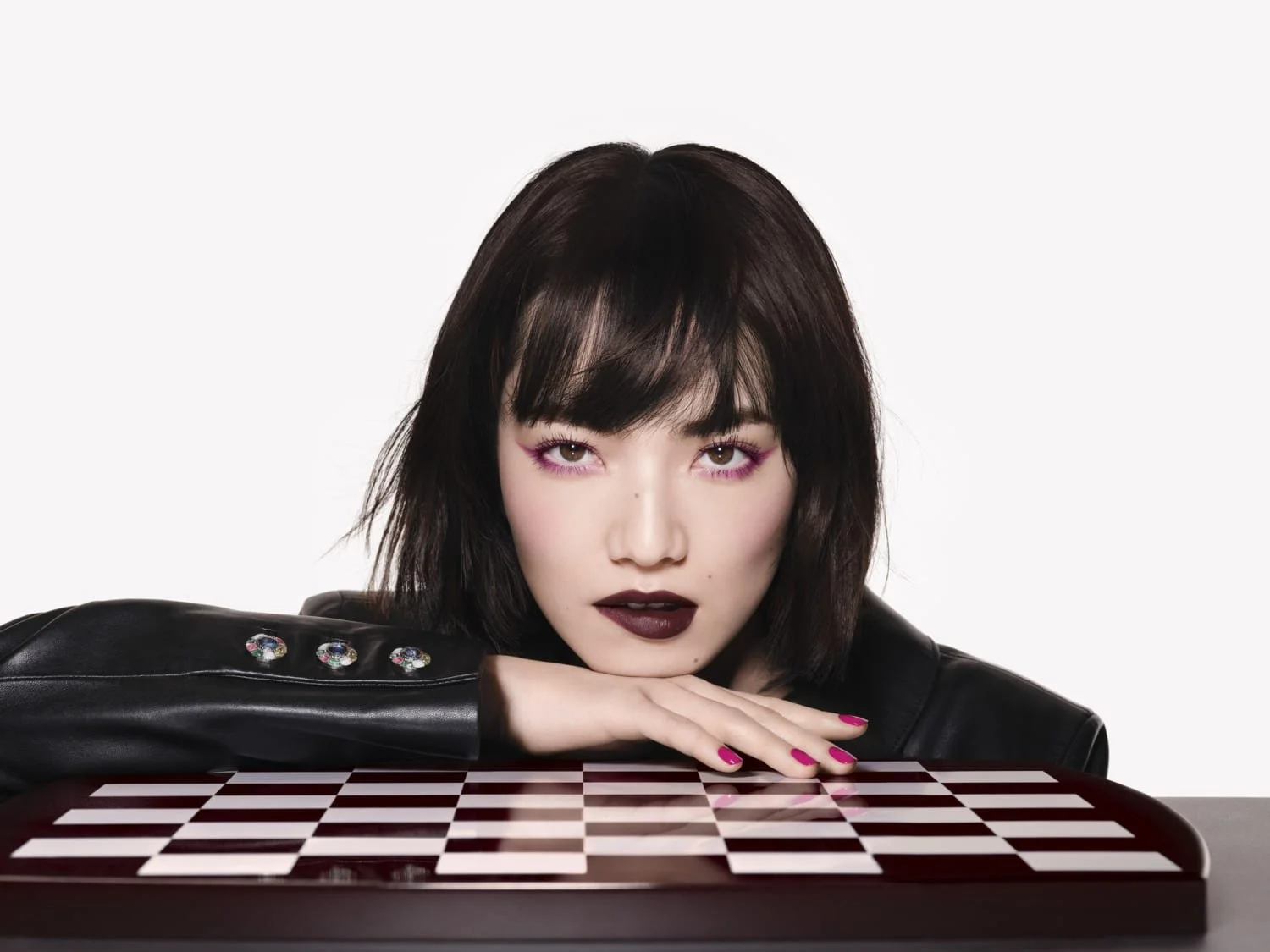
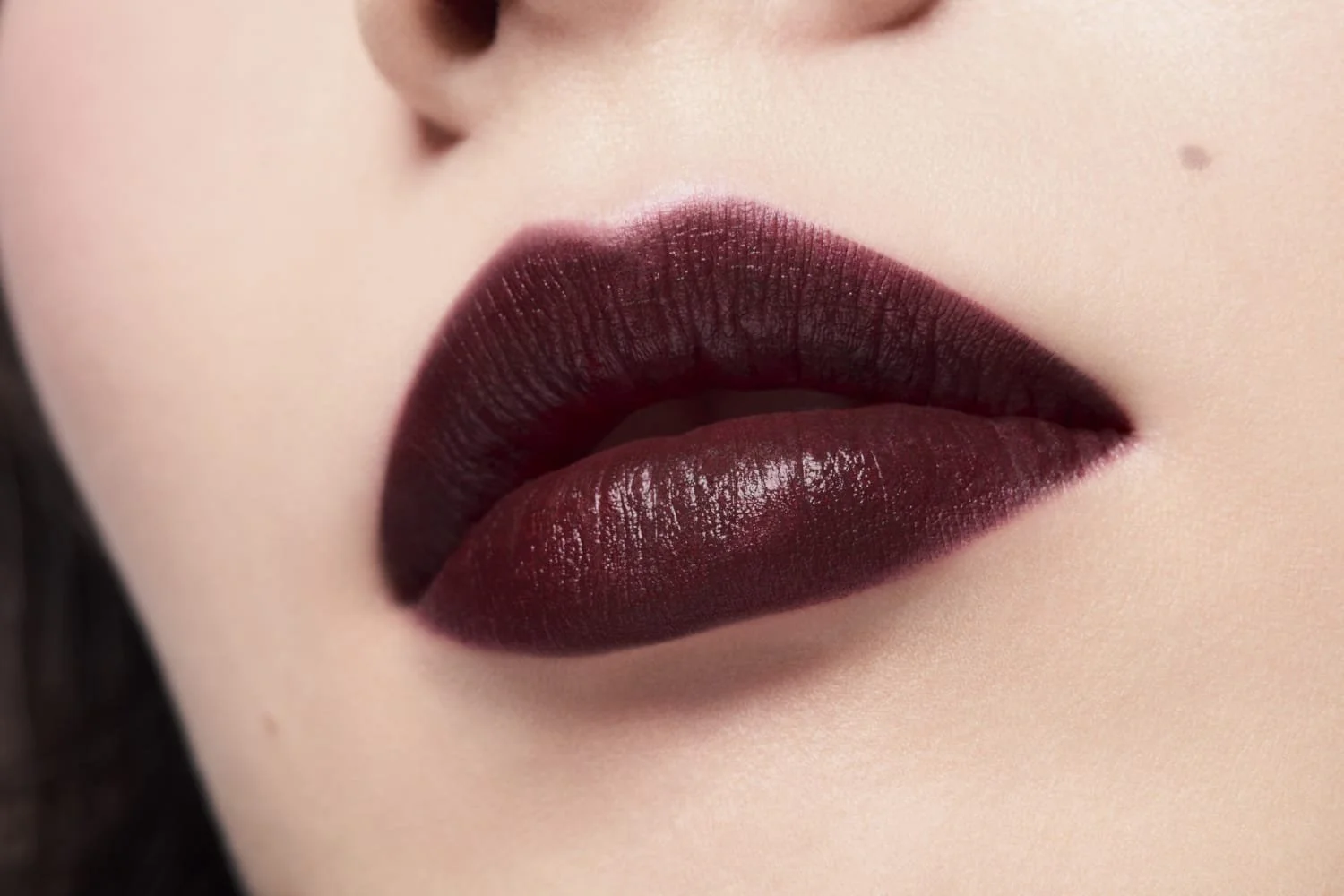
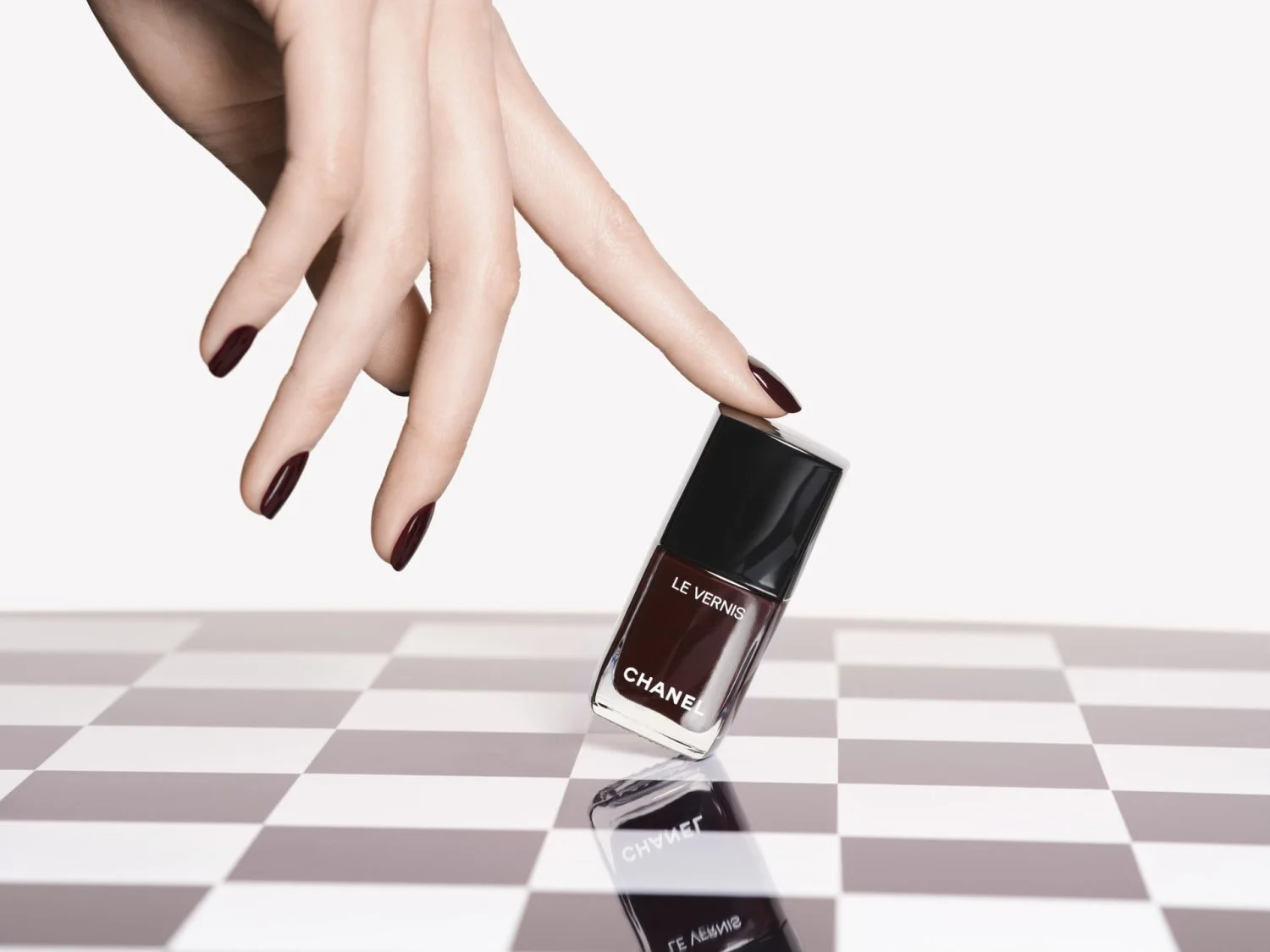
Rouge Noir sits in that ambiguous territory where language fails. It's not quite red, not quite black—a deep garnet that mirrors the burgundy lining of Chanel's 2.55 handbag. Beneath that surface darkness, there's unexpected complexity: vibrant magentas create electricity, while soft pinks provide balance. The shade reads differently depending on light, angle, and context.
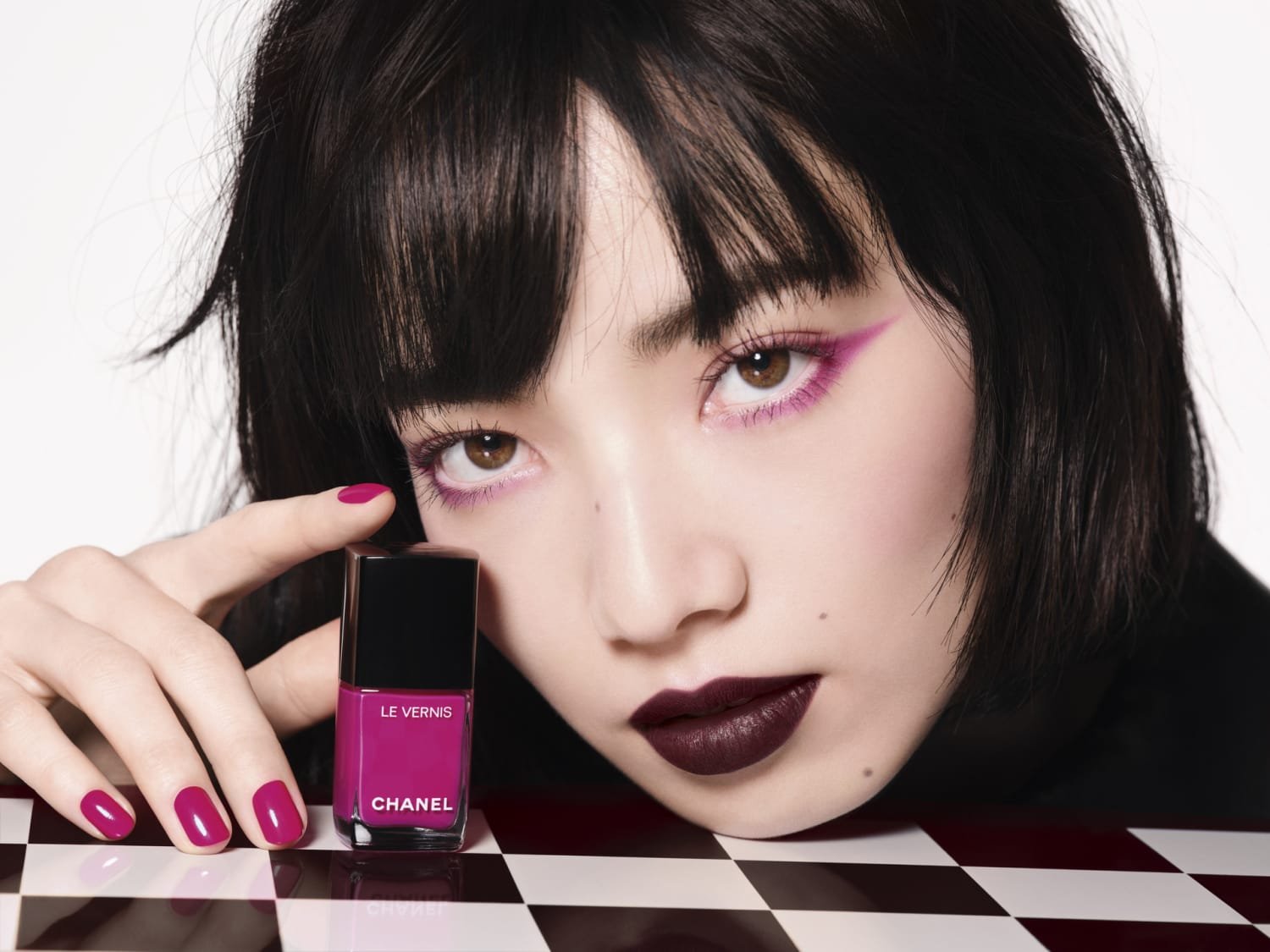
When it launched as part of the LE VERNIS collection in 1995, skeptics dismissed it as a trend. They were wrong. The shade found its audience immediately—models, actresses, singers who understood that nails could make a statement. In the United States, it was marketed as "Vamp," though the name never quite captured the paradox of the color itself.
Evolution Beyond the Bottle
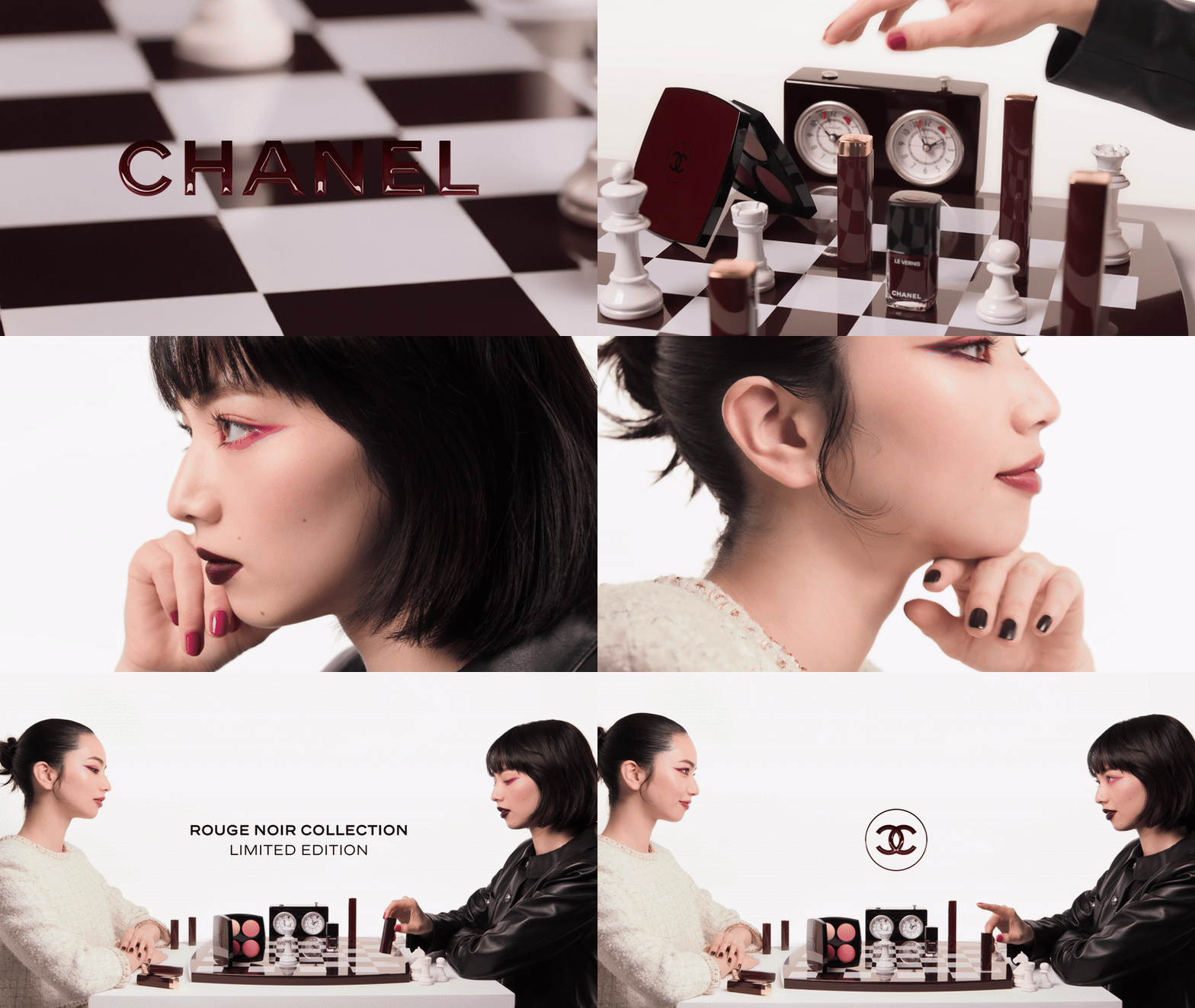
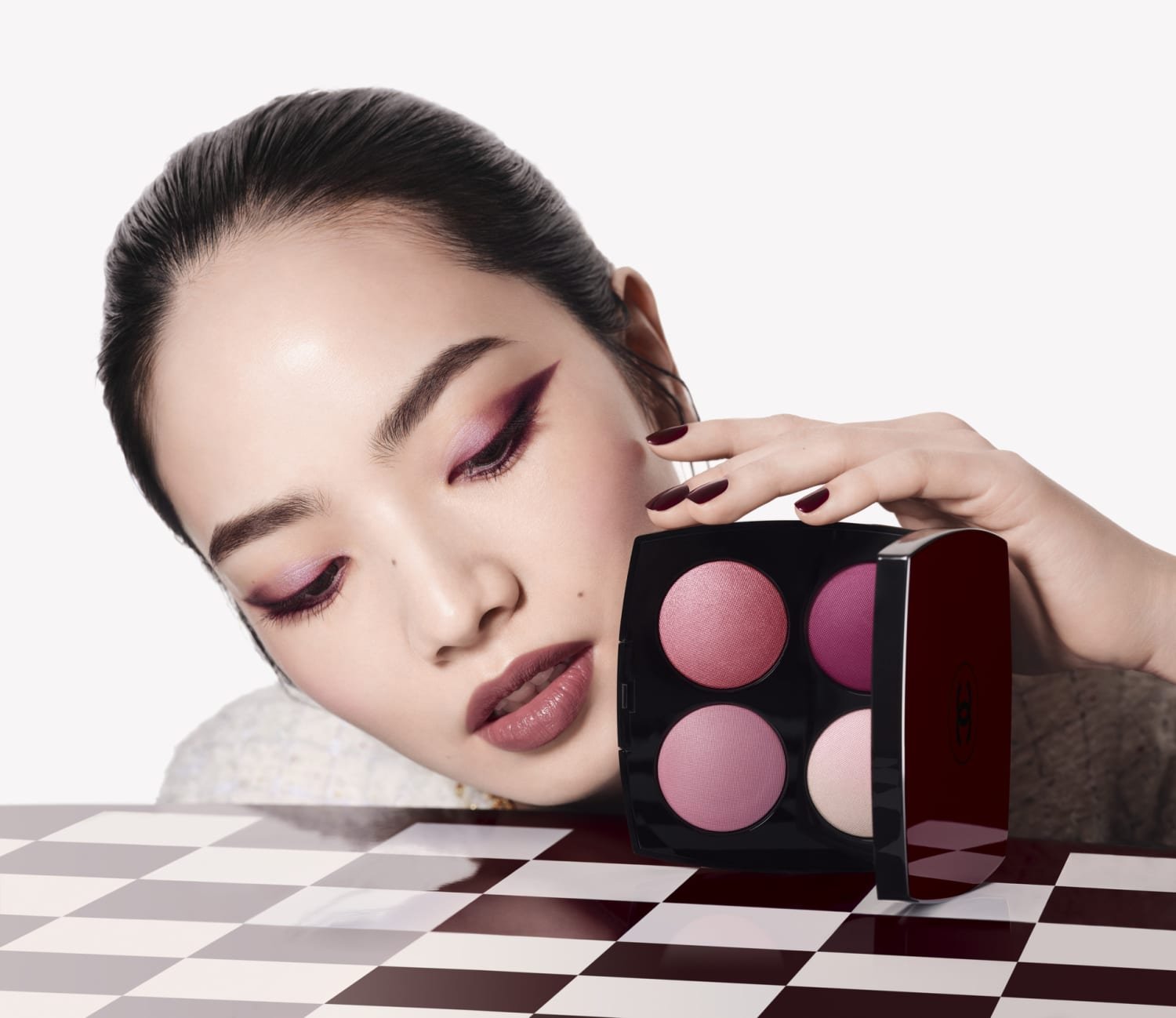
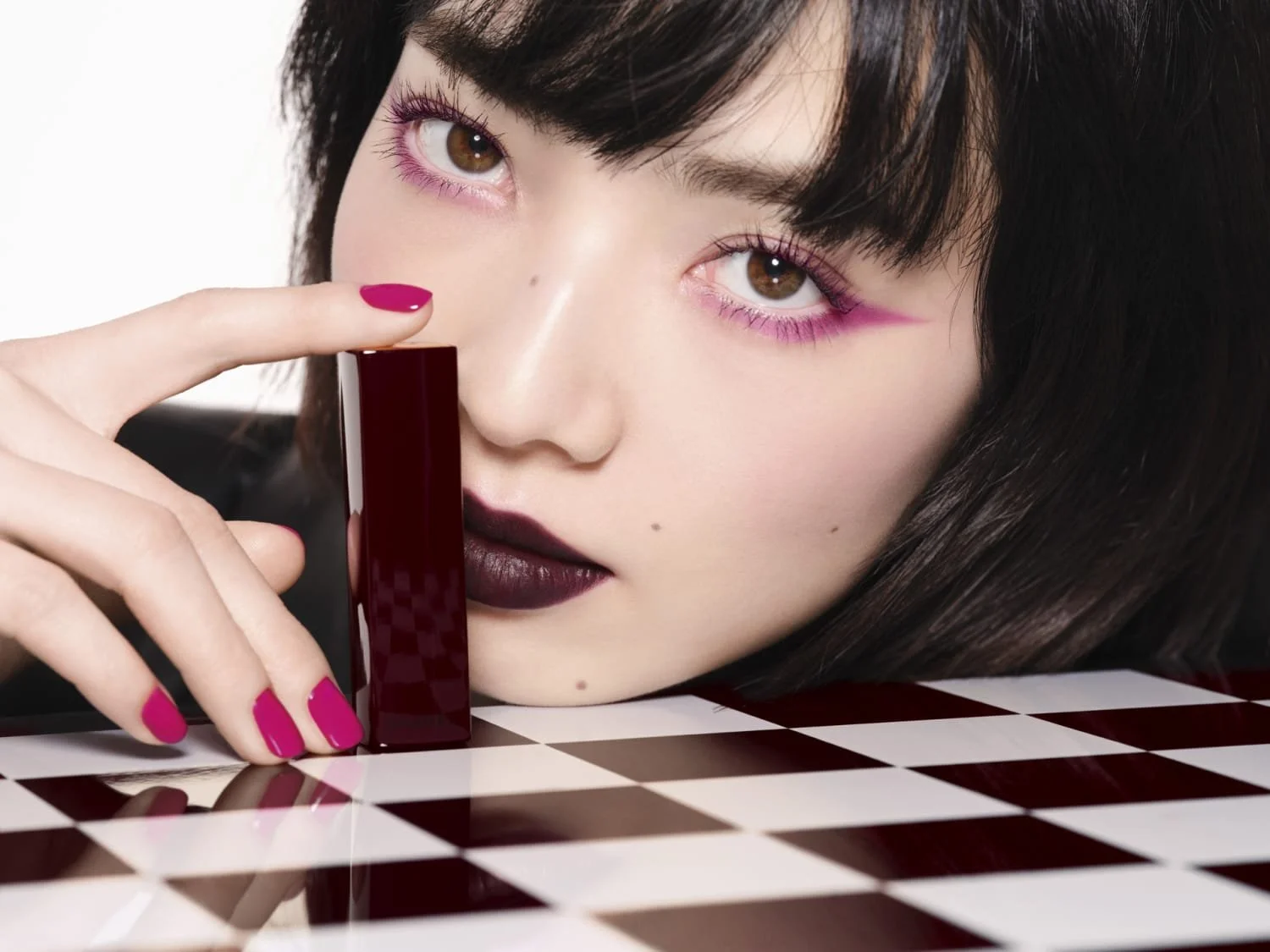
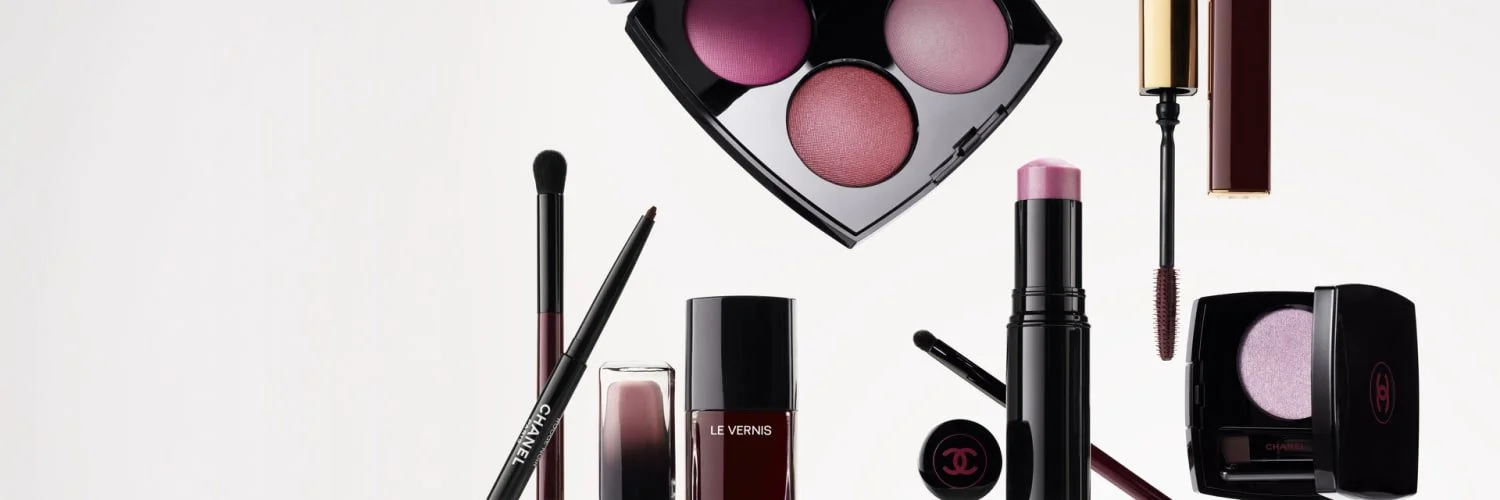
For three decades, Rouge Noir has remained in production—a rarity in an industry built on constant reinvention. But 2026 marks a genuine expansion rather than a reissue. Working with Ammy Drammeh from the COMETES COLLECTIVE, Chanel's Makeup Creation Studio has translated Rouge Noir into a full collection that spans eyes, lips, and face.
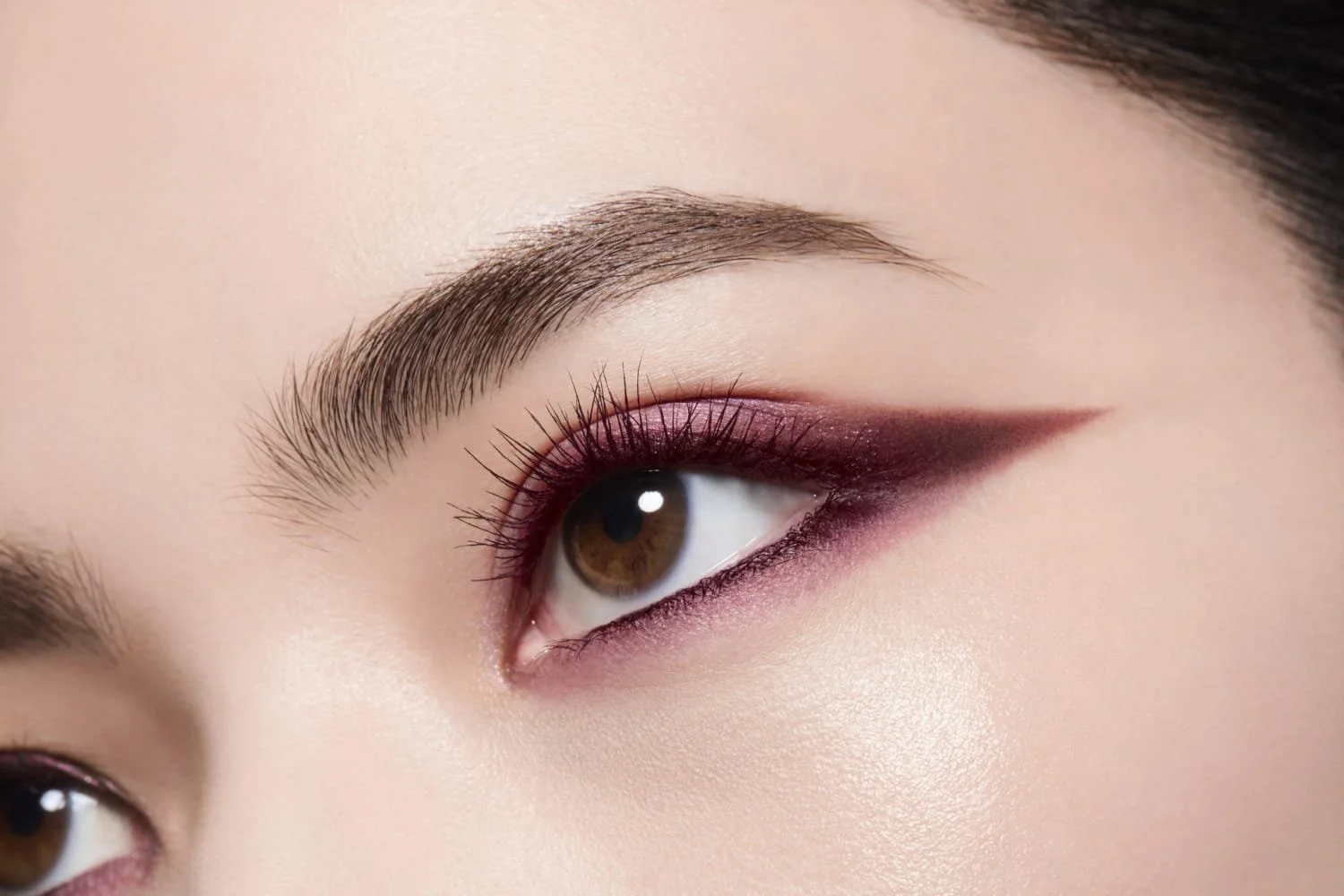
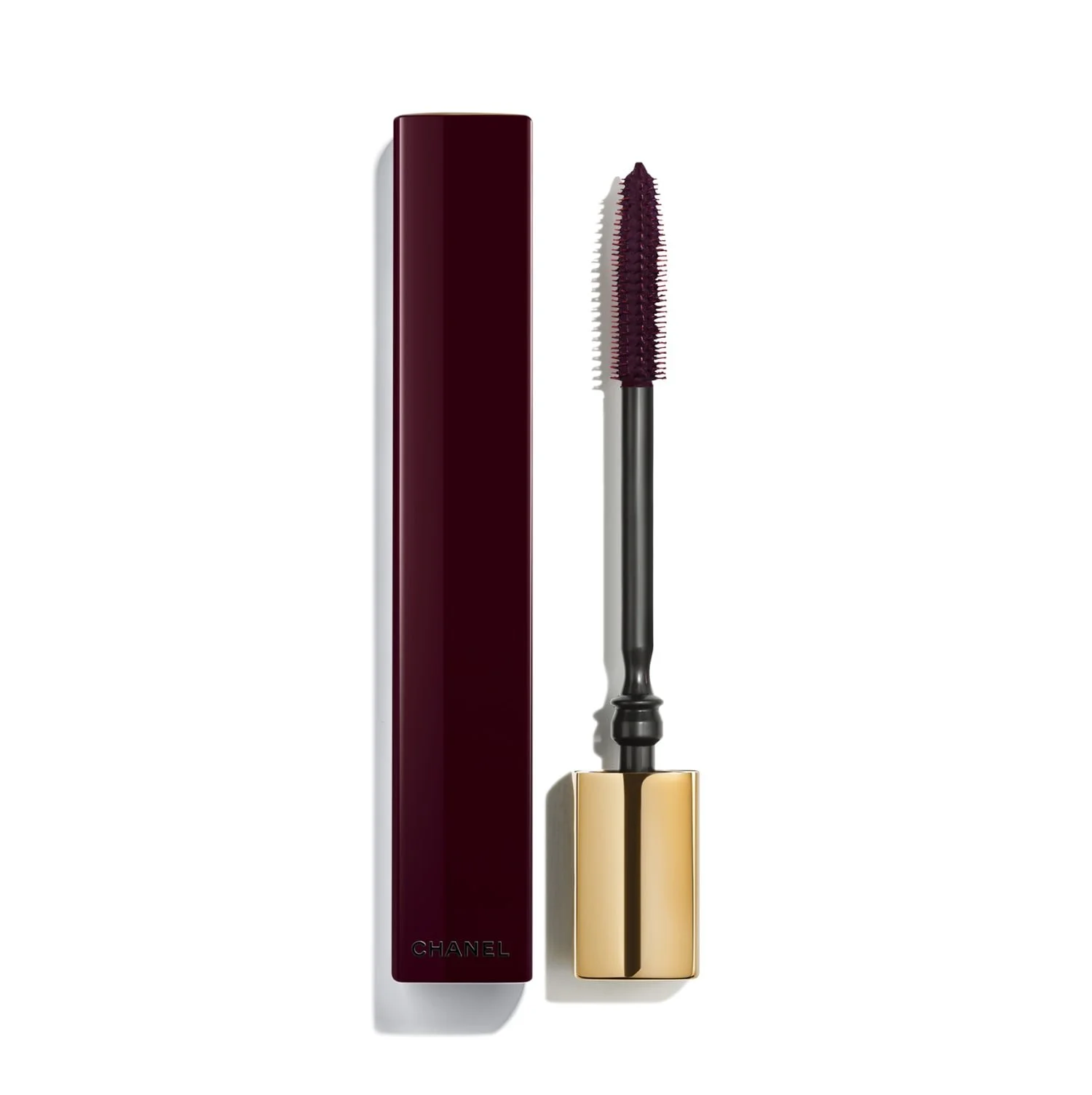
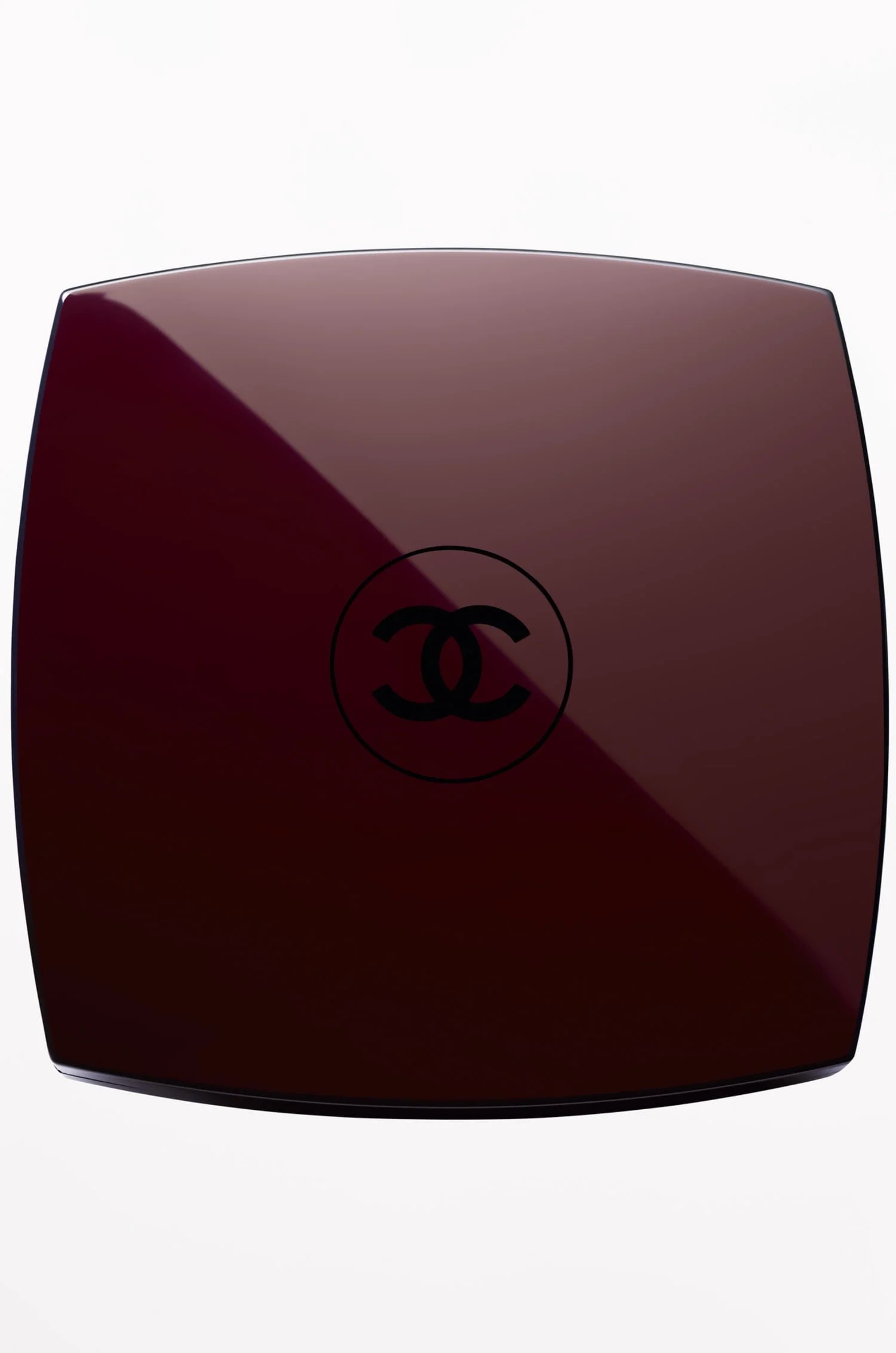
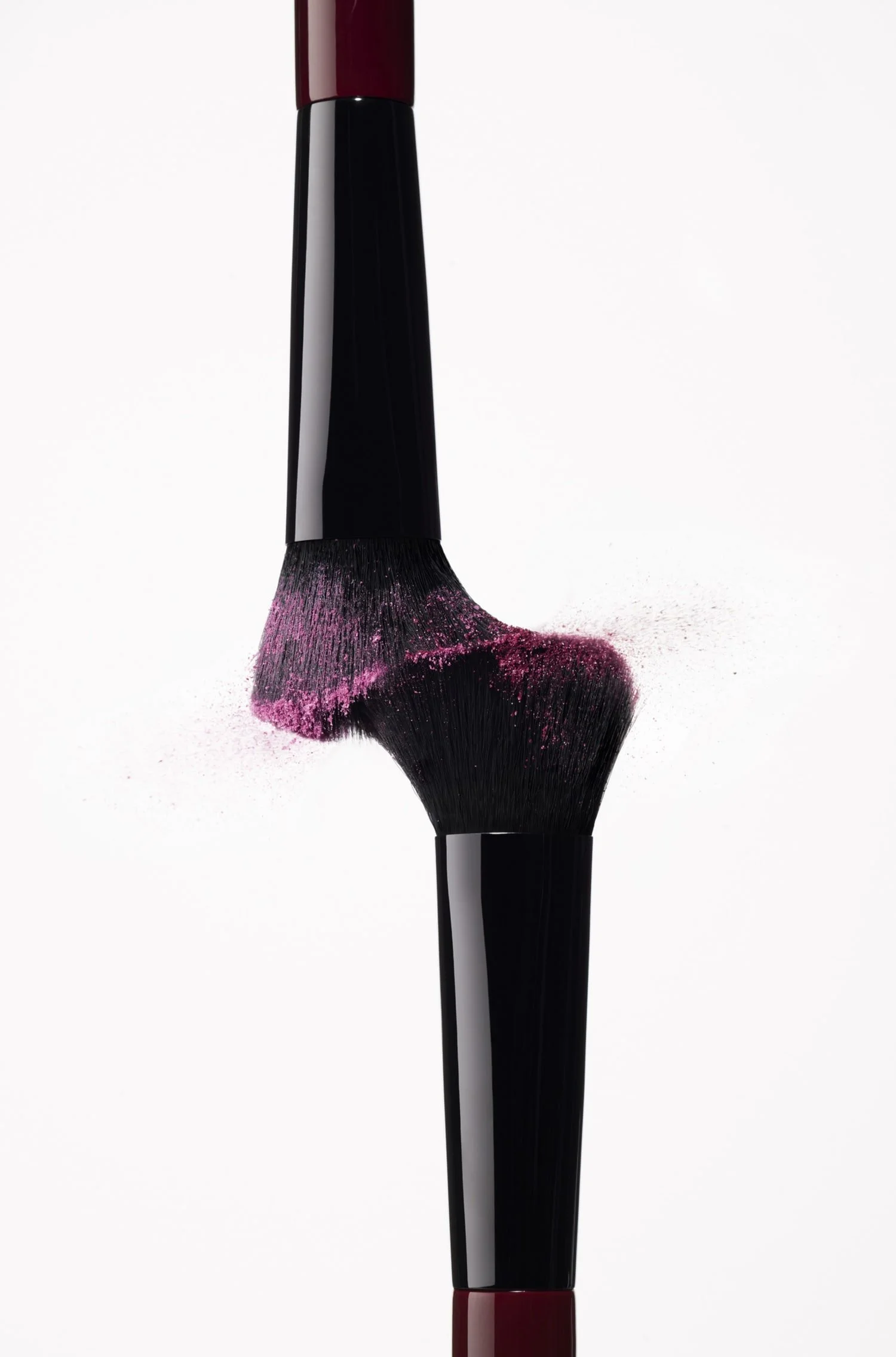
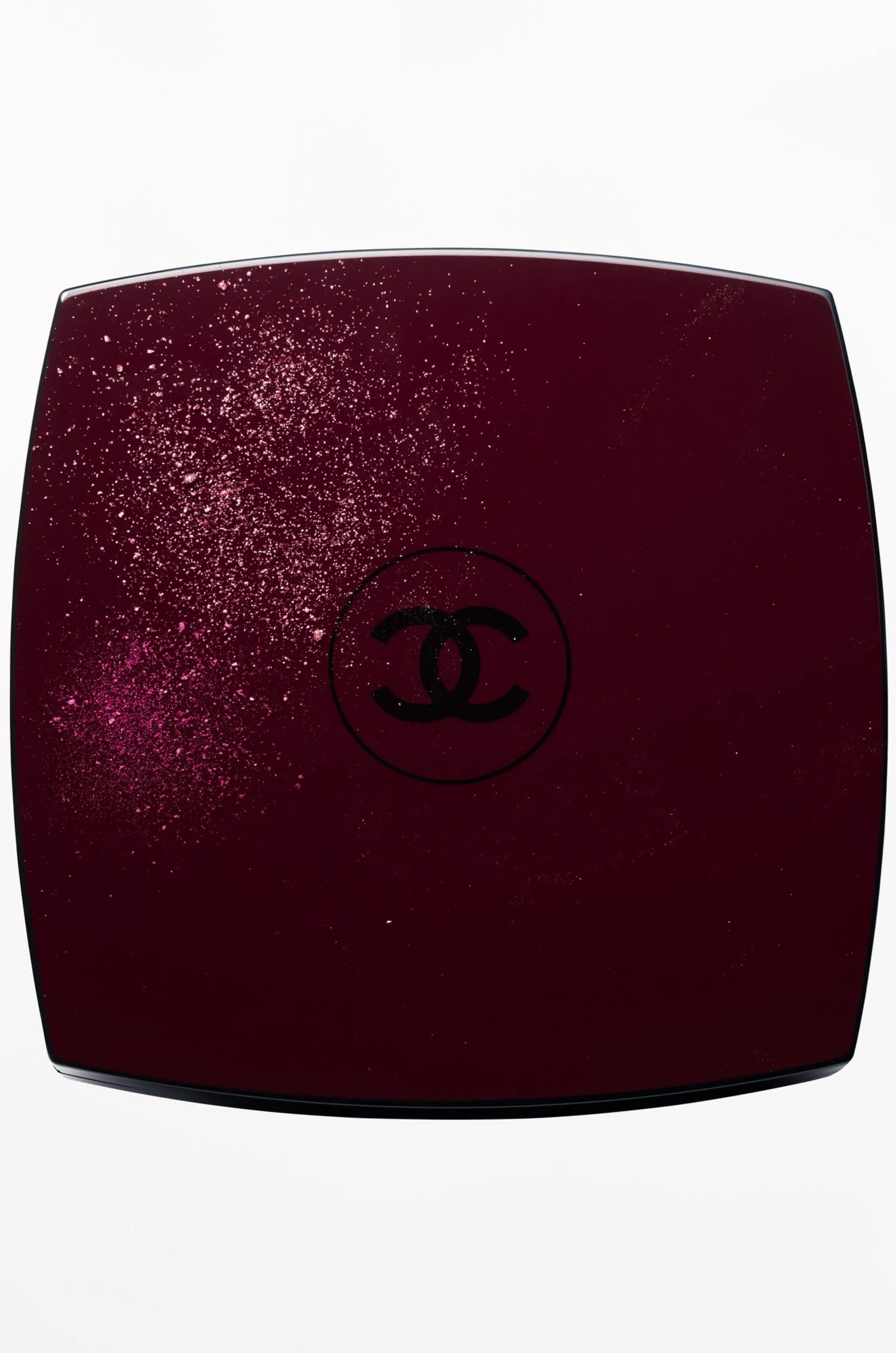
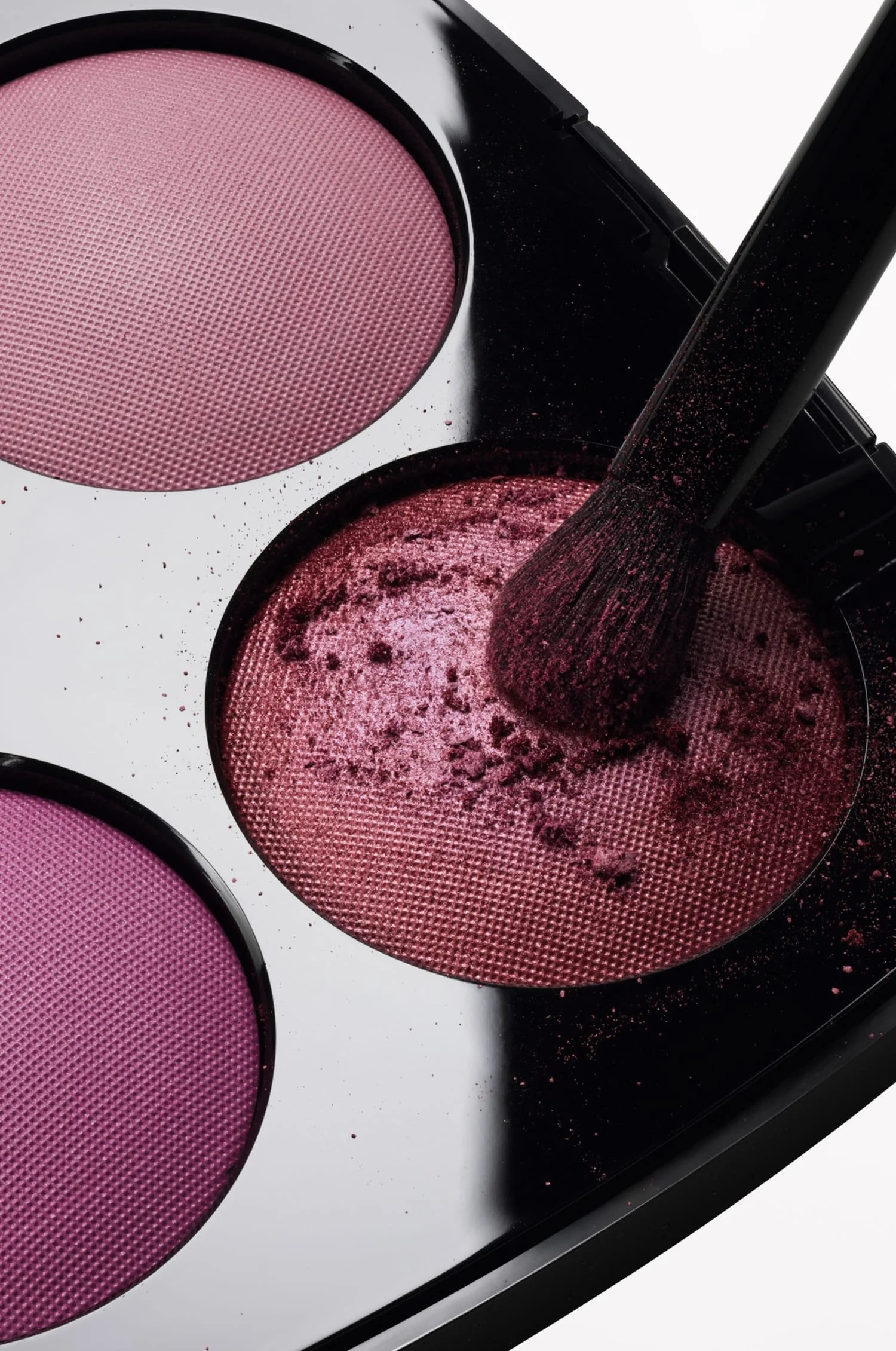
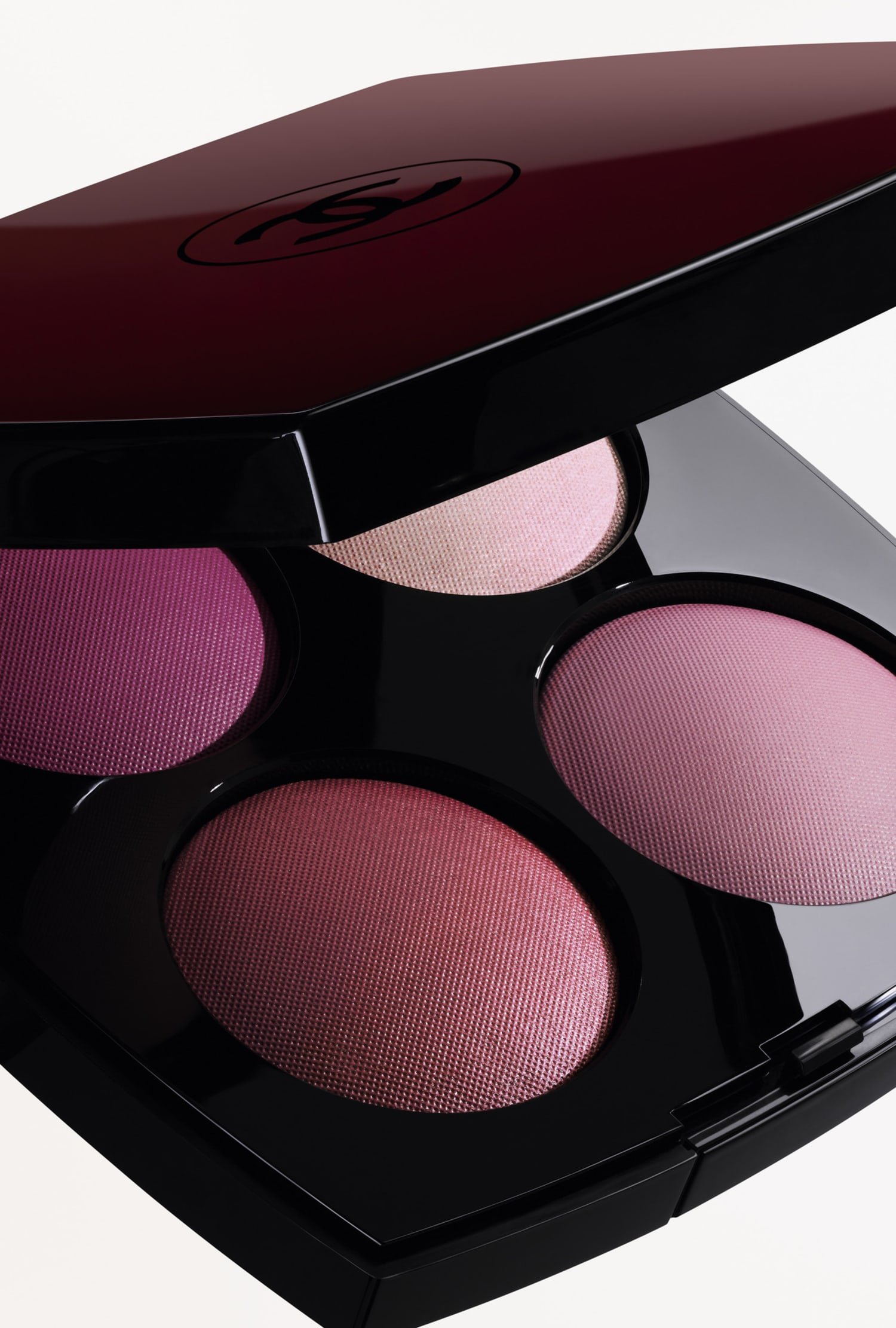
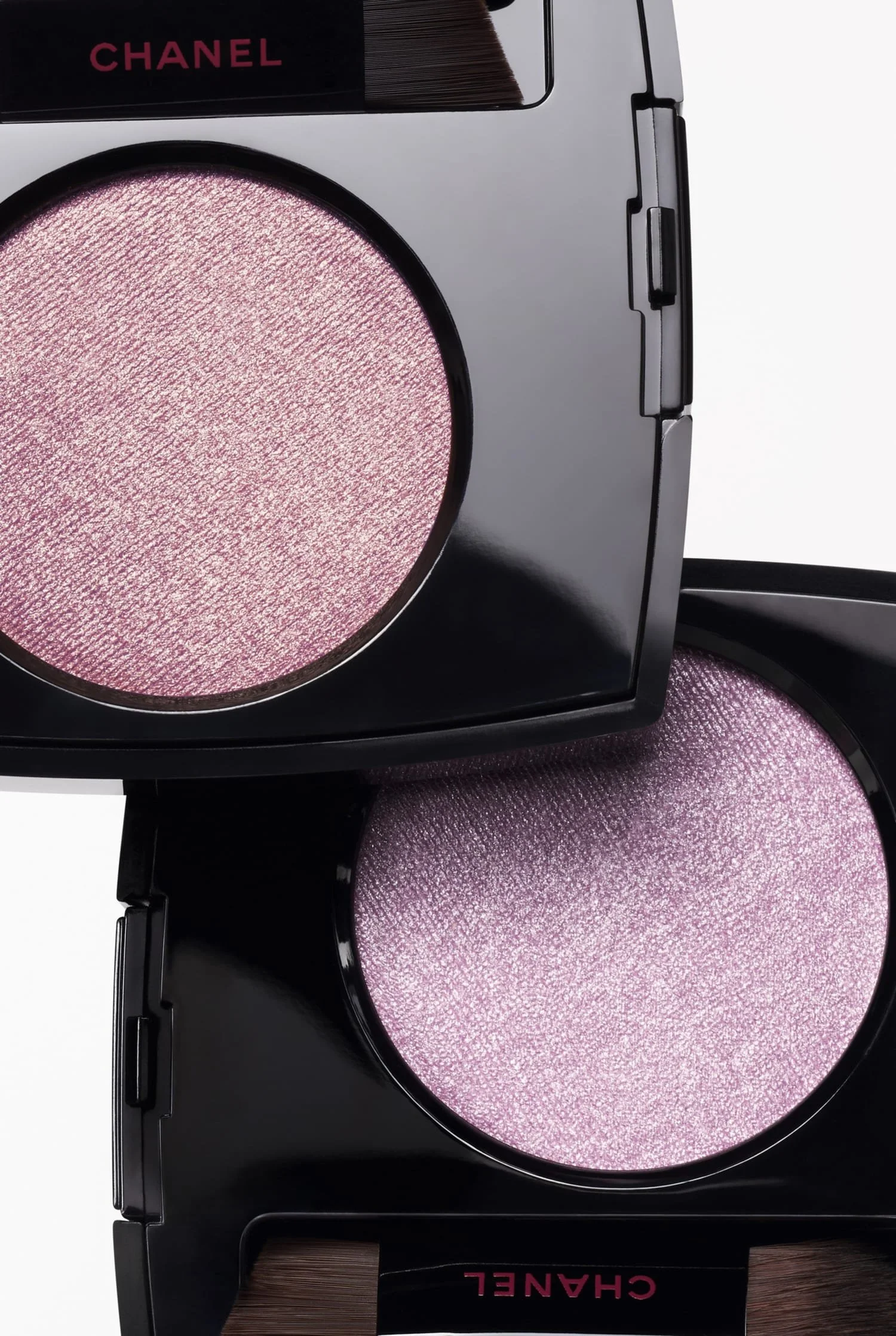
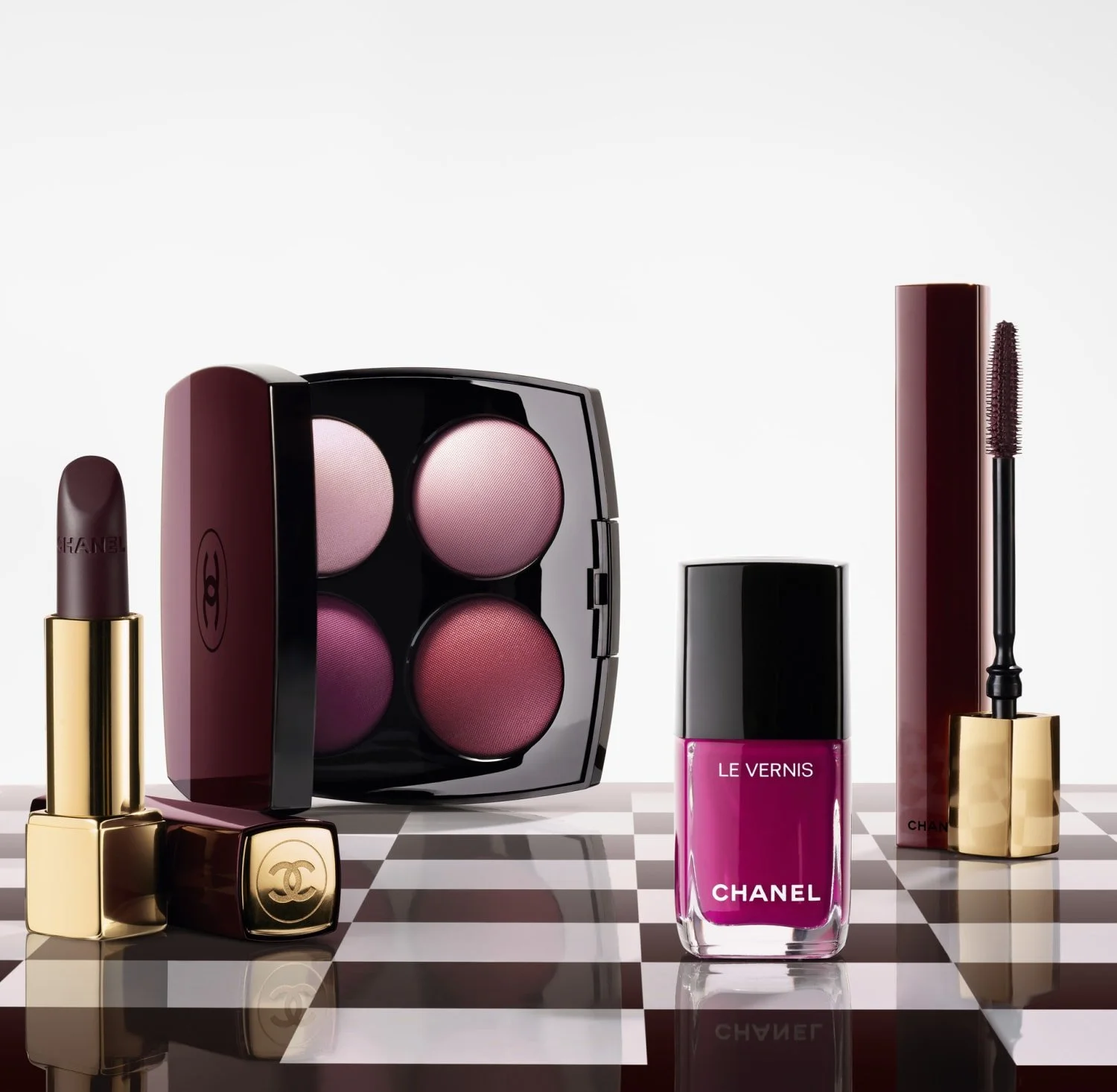
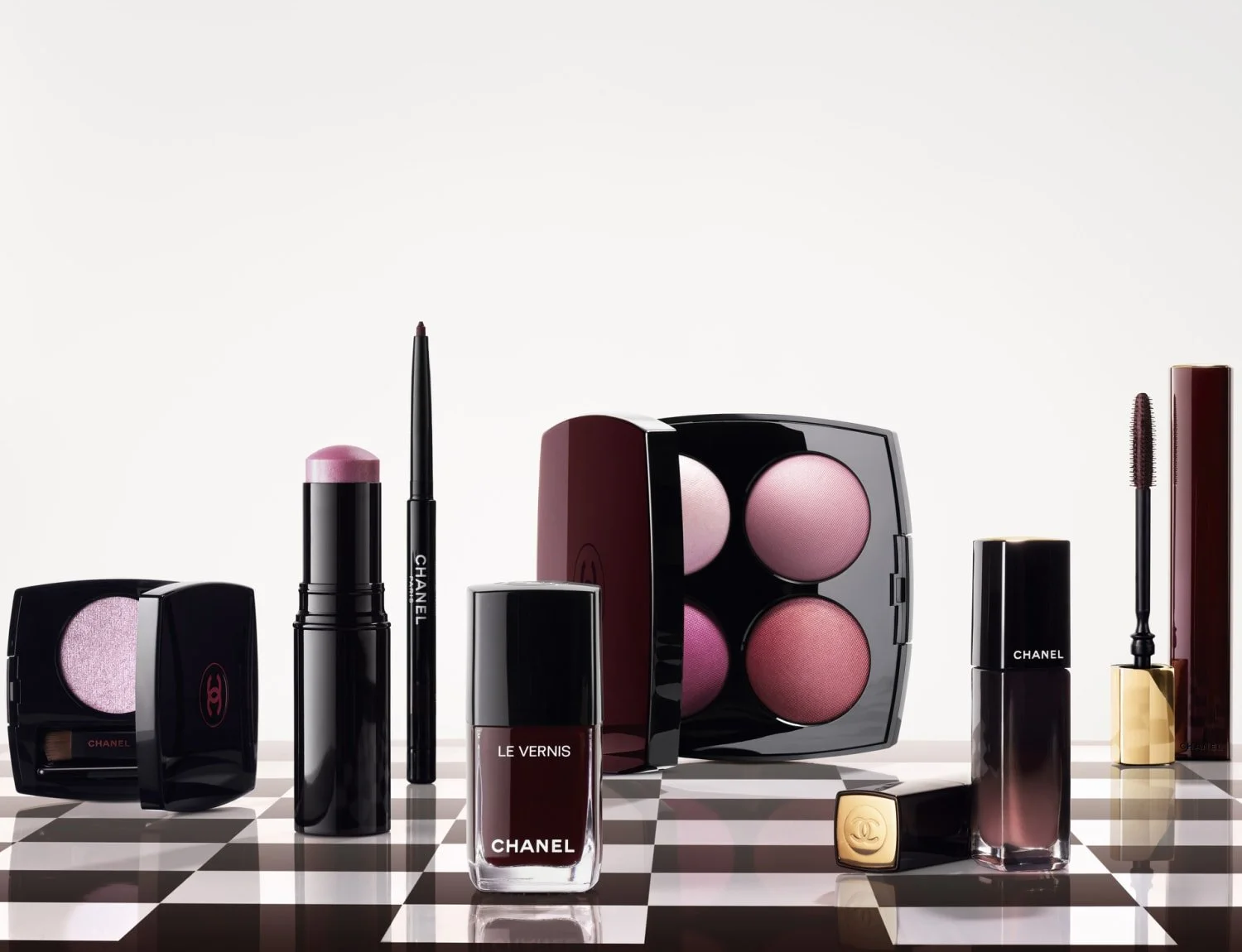
The logic is sound: if a nail polish can become iconic, why limit its expression? The new Rouge Noir Confidence palette breaks the shade into four variations—magentas, reds, a softening pink. There's mascara in a deep Rouge Noir tone, eye pencils, highlighting balm in an unexpected mauve pink called Cute. The ROUGE ALLURE VELVET lipstick appears in Rouge Noir for the first time, joined by three new shades (Irrévérente, Effrontée, Audacieuse) that orbit the same tonal universe.
The Appeal of Ambiguity
What makes Rouge Noir work isn't mystery for mystery's sake—it's versatility rooted in complexity. The collection acknowledges that people don't wear makeup uniformly. Dark on eyes, nude on lips. Intense one day, subtle the next. The shade modulates rather than dominates.
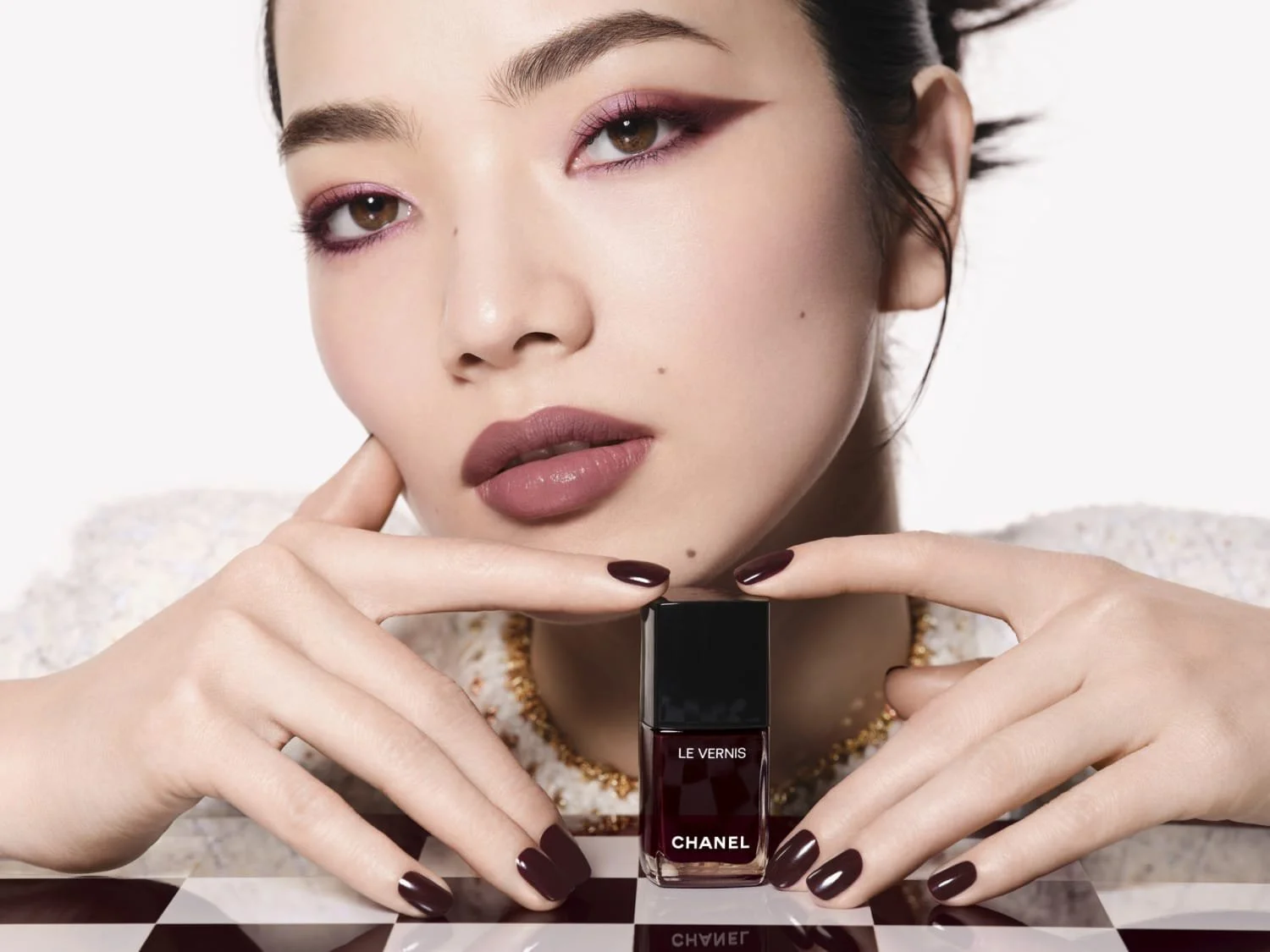
The nail offerings demonstrate this range clearly: Rouge Noir itself, plus Moderniste (a neutral grey with rock-and-roll edge) and Performer (vibrant magenta). Three distinct moods that share an underlying sensibility.
Chanel positions this as "the power of modulation"—the idea that one color family can express multiple attitudes without losing coherence. It's a practical approach dressed in poetic language, but the practicality is what matters. You don't need a separate product for every mood; you need products that respond to how you use them.
Staying Power
Thirty years is an eternity in beauty. Most shades get discontinued, reformulated, or forgotten. Rouge Noir has remained consistent—same shade, same positioning, same quiet confidence. The 2026 expansion doesn't reinvent it; it extends the logic that made it work in the first place.
Whether this collection achieves the same cult status as the original nail polish remains to be seen. But the foundation is solid: a genuinely distinctive shade, thoughtful product development, and an understanding that people want options within a coherent point of view.
Sometimes the most sophisticated statement is refusing to choose between extremes—being neither fully dark nor fully light, neither strictly classic nor aggressively modern. Rouge Noir has always existed in that productive tension. Now it just has more ways to express it.