
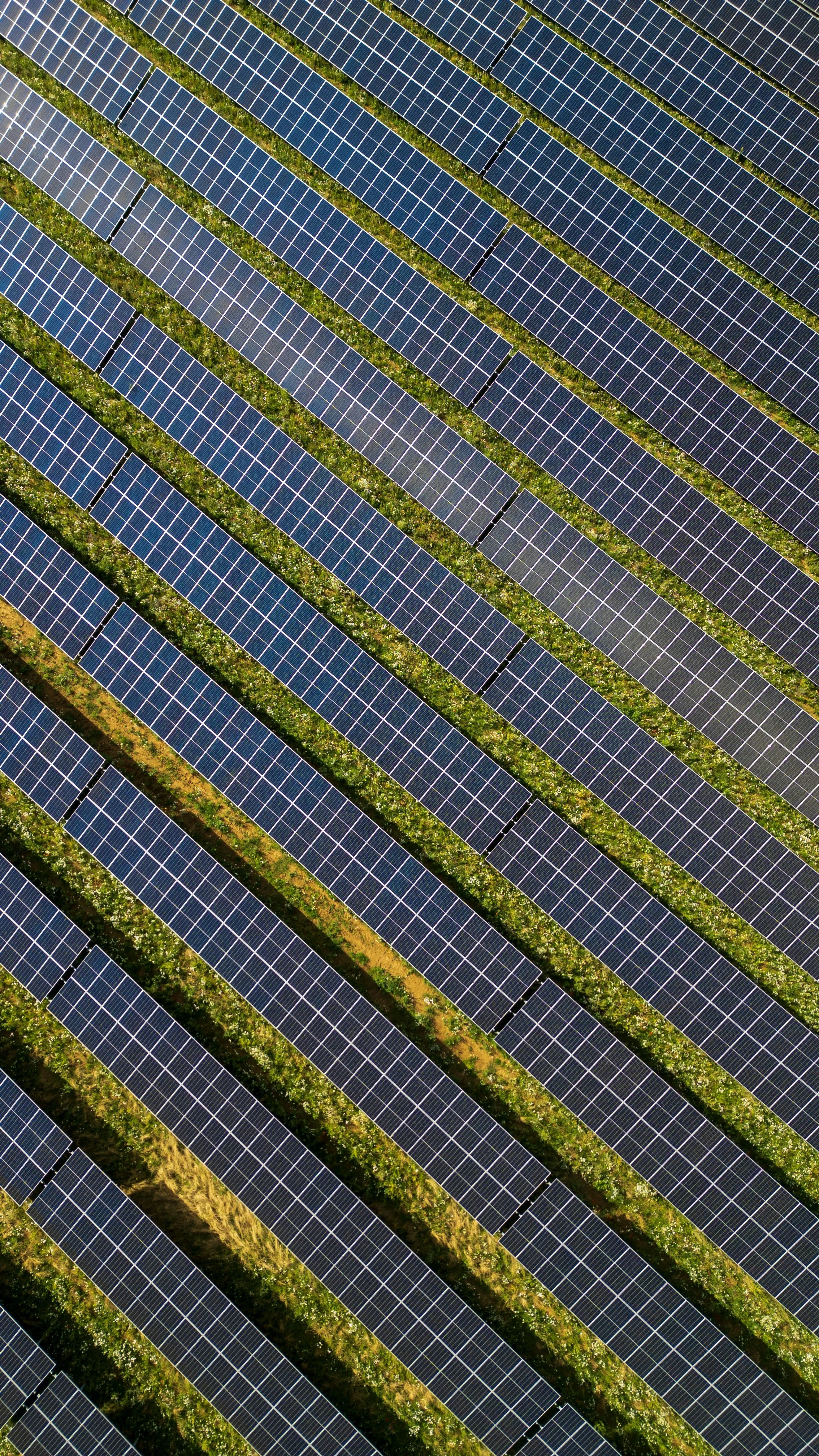
Commercial Solar and the Future of Business Energy Management
Corporate operational costs continue to rise as utility grids face unprecedented demand spikes across regional networks. Forward-thinking companies now view localized power generation as a practical financial strategy rather than just an environmental choice.
Modern roof space and vacant commercial acreage offer direct pathways to long-term energy independence. Managing operational expenses through clean power transforms predictable overhead into a strong competitive edge for growing businesses.
The Financial Logic of On-Site Solar Systems
Fixed monthly electricity tariffs create unpredictable budget swings for growing commercial enterprises. Installing dedicated solar panels converts variable utility power expenses into fixed asset investments with measurable returns. Commercial facility operators gain complete clarity over projected operational expenses across multi-year planning horizons.
Executive teams constantly seek proven methods to stabilize recurring operating costs across all facilities. Decision-makers who click here can explore customized commercial power setups tailored to distinct facility needs. Taking full control of facility power requirements protects bottom-line profitability against unexpected utility rate hikes.
Modern photovoltaic panel installations offer high efficiency rates that lower baseline utility spending immediately. Corporate leaders gain long-term financial predictability and reduce dependence on regional power suppliers. On-site power production creates a reliable hedge against rising energy costs in competitive markets.
Building Resilient Microgrids for Uninterrupted Operations
Severe weather events and aging infrastructure create frequent power disruptions across standard regional utility lines. Commercial properties require continuous electricity flow to keep critical manufacturing lines, refrigeration units, and data centers running smoothly. Unexpected power outages lead to costly operational downtime and lost inventory.
Integrating localized solar generation with battery storage systems creates self-sufficient power networks. Federal energy reports highlight microgrids as fundamental building blocks for future power distribution based on their reliability and localized flexibility. Commercial operators gain immediate control over their local microgrid assets during widespread electrical grid failures.
Localized microgrids allow commercial facilities to store excess midday generation for deployment during high-cost peak hours. Managing local electricity consumption lowers grid stress and maintains steady workplace production schedules. Businesses protect their core operations and contribute to broader regional power grid stability.
Strengthening Environmental Sustainability and Energy Security
Corporate responsibility programs demand concrete actions rather than vague public pledges. Switching workplace energy infrastructure to renewable sources delivers immediate, quantifiable reductions in corporate carbon footprints. Transparent clean power adoption satisfies internal sustainability targets and earns trust among environmentally conscious consumer groups.
Broad research reviews demonstrate that renewable energy systems play a primary role in cutting greenhouse emissions and lessening reliance on traditional fossil fuels. Lowering dependence on fossil fuels directly strengthens operational energy security for commercial facilities. Independent clean generation insulates businesses from global fuel supply shocks and price swings.
Corporate stakeholders recognize that strong environmental standards align directly with long-term commercial strength. Sustainable operations attract environmentally conscious clients and satisfy modern investor expectations. Clean energy investments demonstrate sound corporate leadership in modern business markets.
Smart Grid Integration and Demand Response Capabilities
Smart meters and real-time monitoring platforms give facilities granular control over daily power consumption. Facilities automatically shift heavy machinery usage to optimal operational windows based on dynamic grid pricing. Automated load management prevents accidental spikes in commercial energy consumption.
Automated management tools adjust commercial building systems during grid peak times to capture valuable utility incentives. Commercial properties become active grid contributors rather than passive utility consumers. Participating in demand response programs creates additional revenue streams for facility management teams.
Modern smart solar setups offer three distinct advantages for commercial property managers:
Real-time performance tracking to spot equipment inefficiencies early.
Automated load shifting to avoid high surge charges during peak hours.
Seamless grid synchronization to export excess generated power for utility credits.
Battery Storage Systems and Load Shifting
Solar production naturally peaks during midday hours when industrial equipment runs at full capacity. Coupling photovoltaic panels with high-capacity battery units prevents wasted power generation. Commercial facilities capture maximum value from every kilowatt generated on site.
Battery storage systems store extra daytime energy for release during late afternoon demand spikes. Stored energy replaces costly grid electricity when local utility rates reach peak pricing levels. Strategic energy dispatch significantly lowers monthly utility bill totals for large commercial sites.
Peak shaving strategies protect commercial operations from excessive demand charges on monthly utility bills. Battery assets provide seamless backup power during sudden electrical blackout events. Continuous energy availability keeps critical business operations moving forward without interruption.
Commercial Property Value and Market Advantages
Commercial real estate buyers favor facilities equipped with modern, cost-saving energy systems. Solar panel installations directly elevate building appraisal values by boosting net operating income. Property owners enjoy higher asset values alongside reduced long-term maintenance liabilities.
Properties featuring clean energy infrastructure secure higher lease rates and retain commercial tenants longer. Reduced utility expenses lower tenant operating overhead, making office complexes and industrial parks far more attractive. Lower operating costs give property managers a clear advantage in competitive rental markets.
Upgraded commercial properties stand out in competitive commercial real estate markets. Real estate portfolios with low carbon footprints attract institutional investors seeking sustainable long-term assets. Sustainable building infrastructure secures lasting market value for property developers and investment firms.
Navigating Regulatory Frameworks and Financial Incentives
Government tax credits and accelerated depreciation benefits lower initial commercial solar installation costs. Financial incentives allow commercial enterprises to recoup capital investments rapidly through tax savings. Taking full advantage of available subsidies turns clean energy upgrades into lucrative capital investments.
Local net metering rules allow businesses to sell surplus clean electricity back to the grid. Selling excess power generates steady financial credits that further reduce annual utility spending. Commercial facilities transform unused roof space into active revenue-generating assets.
Strategic energy planning aligns facility upgrades with regional regulatory frameworks and clean energy mandates. Navigating financial incentives correctly speeds up return on investment for large-scale solar projects. Early planning ensures commercial enterprises capture every available grant and tax break.
Adopting commercial solar technology positions businesses for long-term operational success and stability. Modern energy infrastructure protects commercial operations against volatile market prices and grid instability.
Decision-makers who invest in localized power systems secure reliable operations and predictable energy expenses. Clean power choices build stronger, more resilient commercial enterprises for decades to come.