

Contemporary architects are returning to certified organic lumber for structural warmth
High-end architecture firms and joinery studios increasingly prioritize responsibly harvested hardwoods. They use these certified materials to create enduring, carbon-conscious structural spaces.
Leading architectural studios and luxury interior designers are replacing synthetic and composite claddings with certified, high-performance tropical hardwoods.
Clients actively demand biophilic aesthetics that connect interior spaces directly with nature. Decarbonization benchmarks drive your firm to rethink raw material choices across every new commercial and residential project.
Bringing warmth into structural design requires more than just visual appeal. You must balance structural integrity with rigorous environmental standards to meet modern building codes.
Why Do Architects Prefer Tropical Hardwoods?
Specifying the right materials dictates the entire lifespan and aesthetic trajectory of your building. Species like Sapelli, Sipo, and Kossipo deliver exceptional durability and rich, warm tones that composite alternatives simply cannot replicate.
You can deploy these hardwoods across exposed rafters, exterior facades, and highly customized bespoke cabinetry. They resist wear and weathering beautifully even in harsh outdoor environments.
Sourcing premium raw materials elevates the entire finish of your luxury architectural project. By thoughtfully procuring sustainable timber, your joinery studio gains reliable structural behavior alongside premium aesthetics. These certified species handle heavy structural loads securely while retaining their natural, inviting charm. You secure profound peace of mind knowing the lumber supports both demanding structural requirements and refined interior finishes.
How Do You Maximize Forestry Yields?
Raw forestry inputs require careful management to prevent excess waste and reduce material costs. Precision engineering totally transforms how your firm utilizes freshly harvested logs.
Advanced milling techniques allow producers to extract maximum usable material from every single felled tree. This careful extraction process respects the slow-growing nature of tropical hardwoods and maximizes your investment.
Makers now rely heavily on finger-jointed and laminated scantlings to stretch their premium material supply. Gluing smaller wood segments together creates massive structural components that rival solid beams in raw tensile strength.
Engineering Dimensional Stability
Solid wood moves unpredictably when exposed to changing environmental humidity and shifting temperature variations. Laminated scantlings solve this persistent problem by opposing the natural grain directions of multiple bonded wood layers. The resulting engineered beams resist warping, twisting, and bowing over decades of heavy daily use.
Your construction teams can install these precision-crafted components knowing they will maintain exact sizing tolerances. High-performance structural adhesives bond the finger joints permanently to prevent any future separation. The final installed products look visually immaculate and perform flawlessly under immense architectural pressure.
Modern fabrication facilities employ several rigorous techniques to guarantee top-tier material performance.
Sort raw materials: Technicians grade every single piece of wood meticulously before mechanical processing begins.
Align grain patterns: Opposing natural wood grains strategically prevent future twisting or structural failure.
Apply structural adhesives: Industrial glues create unbreakable chemical bonds under extreme mechanical pressure.
What Does Responsible Procurement Look Like?
Ethical sourcing strategies protect fragile global ecosystems while supplying your ambitious projects with the raw materials you need. Research from the World Resources Institute indicates that cyclical harvesting within well-managed natural environments and dedicated timber plantations often results in temporary, rather than permanent, forest loss, especially when robust traceability systems actively monitor the maintenance of these specific areas.
Partnering with specialized operators who provide end-to-end concession traceability guarantees your materials come exclusively from approved logging zones.
You can digitally track every structural beam back to its exact geographical origin point deep in the forest. Transparent supply chains completely protect your architecture firm from any accidental association with illegal or destructive logging operations.
How Do You Navigate International Regulations?
Importing tropical hardwoods requires strict, unwavering compliance with rapidly evolving global trade rules. Regulatory bodies continue to tighten border restrictions to combat illegal deforestation and protect vulnerable natural ecosystems. Data from the Animal and Plant Health Inspection Service shows that the agency initiated a new regulatory phase under the Lacey Act specifically targeting imported wood and plant products.
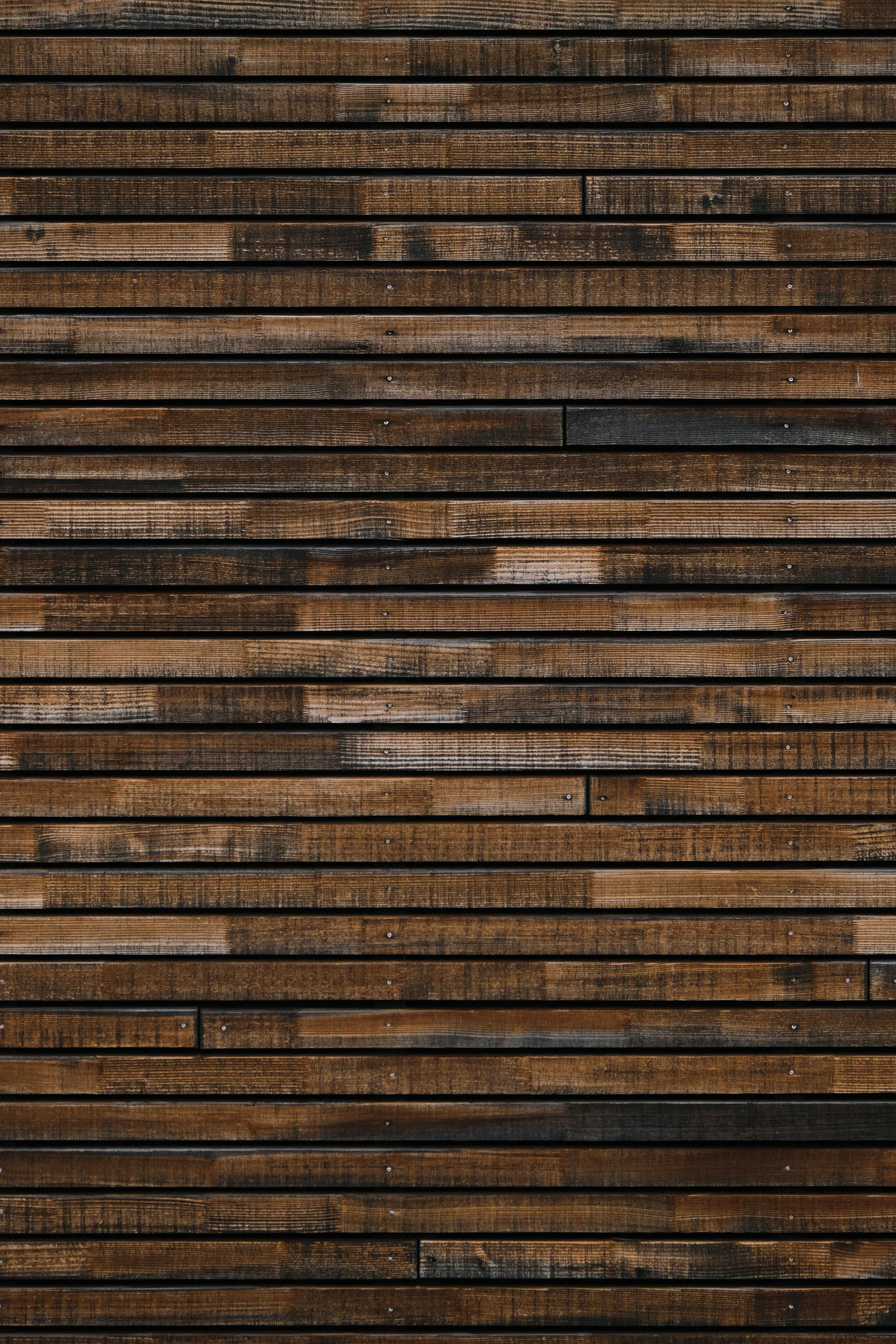
Your procurement team must gather comprehensive tracking documentation long before shipping any lumber across international borders. The European Union Deforestation Regulation demands highly precise geolocation data for every single harvest plot used by your suppliers. Collecting this vital paperwork early prevents costly customs delays and shields your business from severe financial penalties.
Designing Enduring Carbon-Conscious Spaces
Building for the future means prioritizing organic materials that actively lock away atmospheric carbon. High-end architecture increasingly leans on verified responsible harvesting to achieve highly ambitious decarbonization benchmarks. Wood acts as an incredible natural carbon sink throughout the entire functional life of your building.
Your design studio can aggressively push the boundaries of structural elegance without ever sacrificing environmental responsibility. Clients deeply appreciate the authentic warmth and tactile nature of organic lumber in their living spaces. You deliver magnificent structural designs that actively contribute to a much healthier planet.
Verified responsible harvesting allows luxury architecture to achieve breathtaking structural elegance without any environmental compromise. Your firm can build beautiful, enduring spaces that deeply respect and preserve global ecosystems.
Embracing certified hardwoods elevates your bespoke design portfolio and seamlessly satisfies strict decarbonization targets simultaneously. You hold the unique power to shape a built environment that feels incredibly warm and remains profoundly sustainable for many generations to come.