
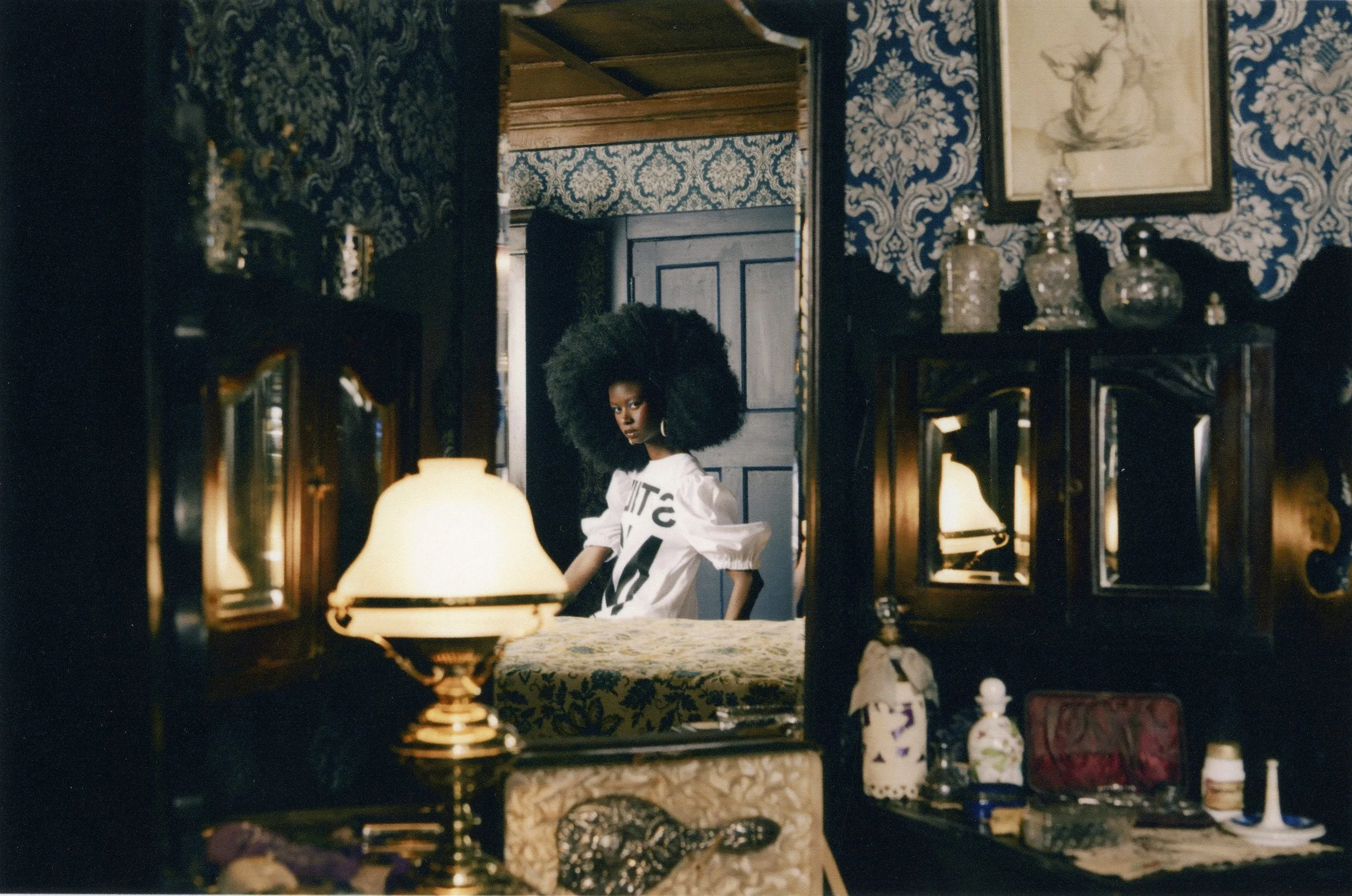
What Found Me: Ezokhetho
What Found Me: Ezokhetho
By Leeroy Esbend | Editor-At-Large
Ten years ago, I started an online magazine. Then I put it down. Not because I stopped believing in it, but because life has a way of rearranging your priorities before you’ve agreed to the terms. I told myself I would return when things settled. They never did.
Last December, I read The Alchemist. Sentimental, perhaps. But it unlocked something. The dreams I had neatly folded away began to surface again. One name led to another. One memory to the next. And somehow, that path circled back to Mpumi and Ezokhetho, to the first collection I watched them present in 2017. Seven years later, here I am, writing about them again.
Some things don’t disappear. They wait.
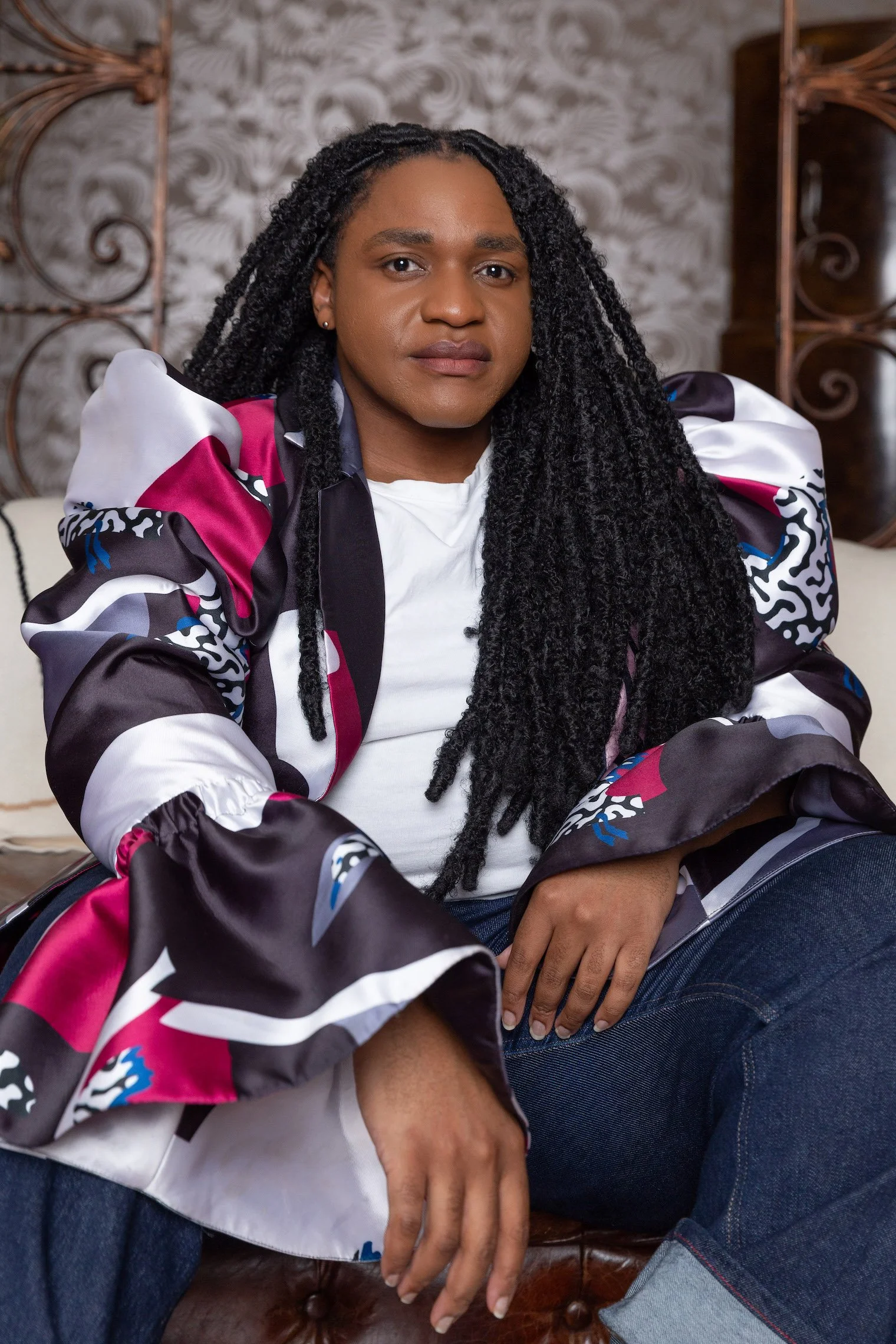
When I asked Mpumi when fashion stopped being a hobby and became inevitable, the answer was immediate. “I loved Barbie. I know how that sounds, but it wasn’t the doll. It was the outfits. The world.”
Growing up, dressing was ritual. Mpumi’s mother, their aunts, their cousins, women who treated presentation not as vanity, but as care. There was intention in how they stepped outside. Pride in how they carried themselves. Mpumi filled scrapbooks with sketches, clothing taking shape long before they understood it as a career.
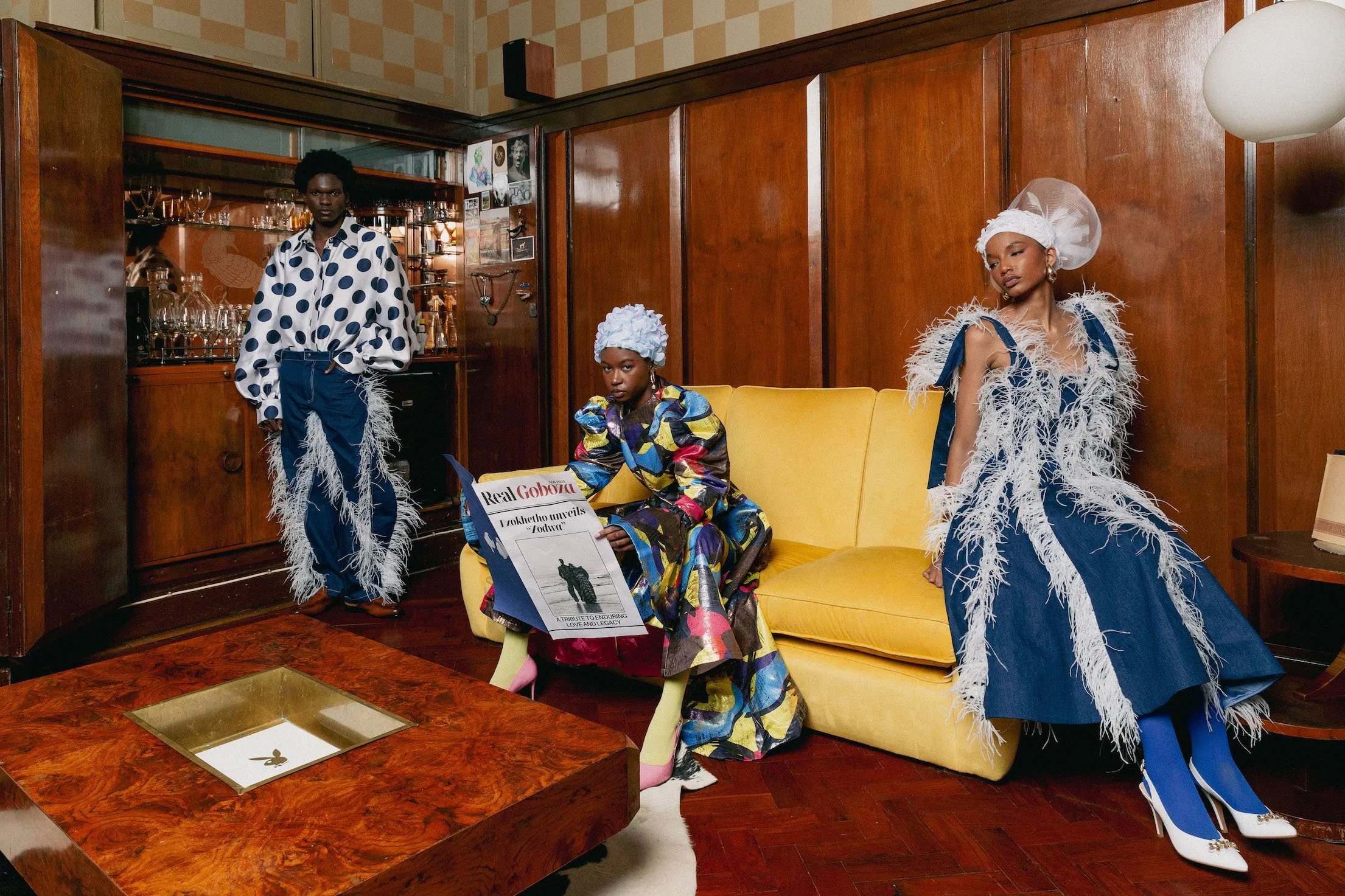
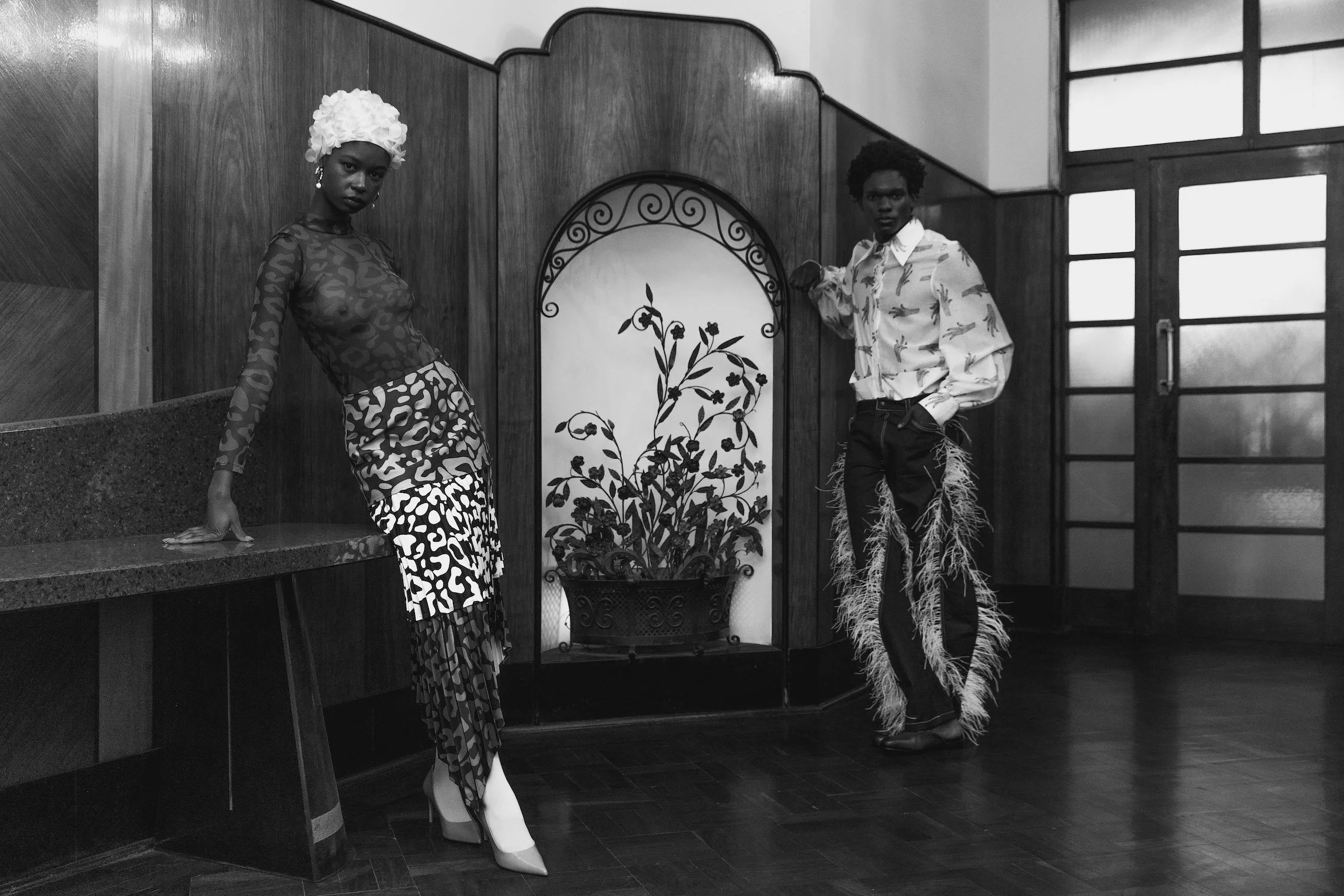
The real decision came in matric, when sensible futures were being chosen. “Fashion was the only thing that felt right. Not smart. Not safe. Just right.” Ezokhetho means carefully chosen in Zulu, a name born from a late-night conversation with Mpumi’s mother. Both sides of Mpumi’s family are Zulu; the language was never decorative, it was foundational.
“I wanted to tell African stories. The wounded ones. The joyful ones. The funny ones. From our perspective.” That clarity runs through the work. The silhouettes are structured, deliberate. They take up space without apology. Influence, for Mpumi, wasn’t abstract; it was domestic.
“I grew up surrounded by women who did everything. Worked. Raised children. Built lives. Society calls it ‘doing it all’ like it’s a burden. They just lived.”
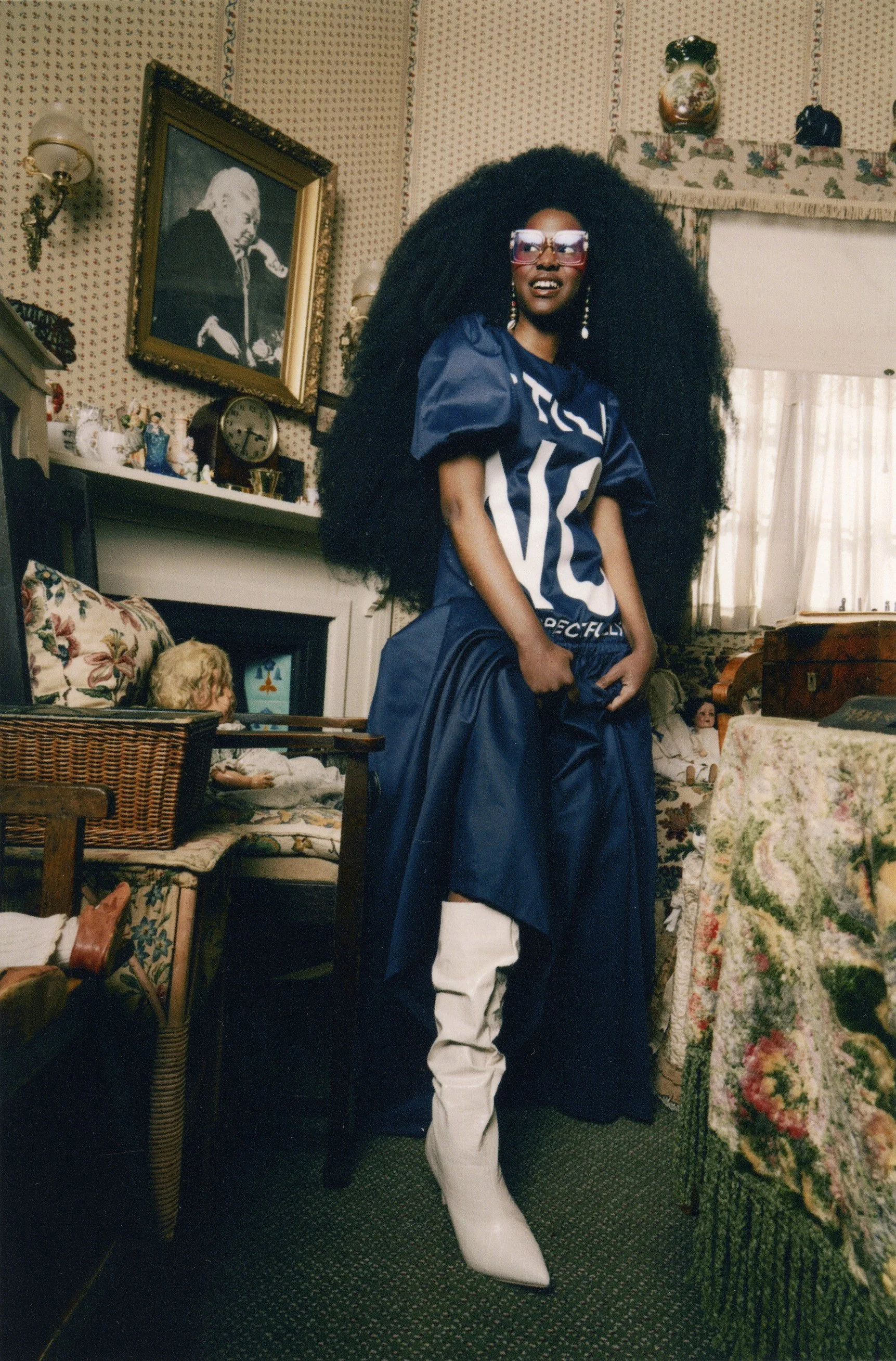
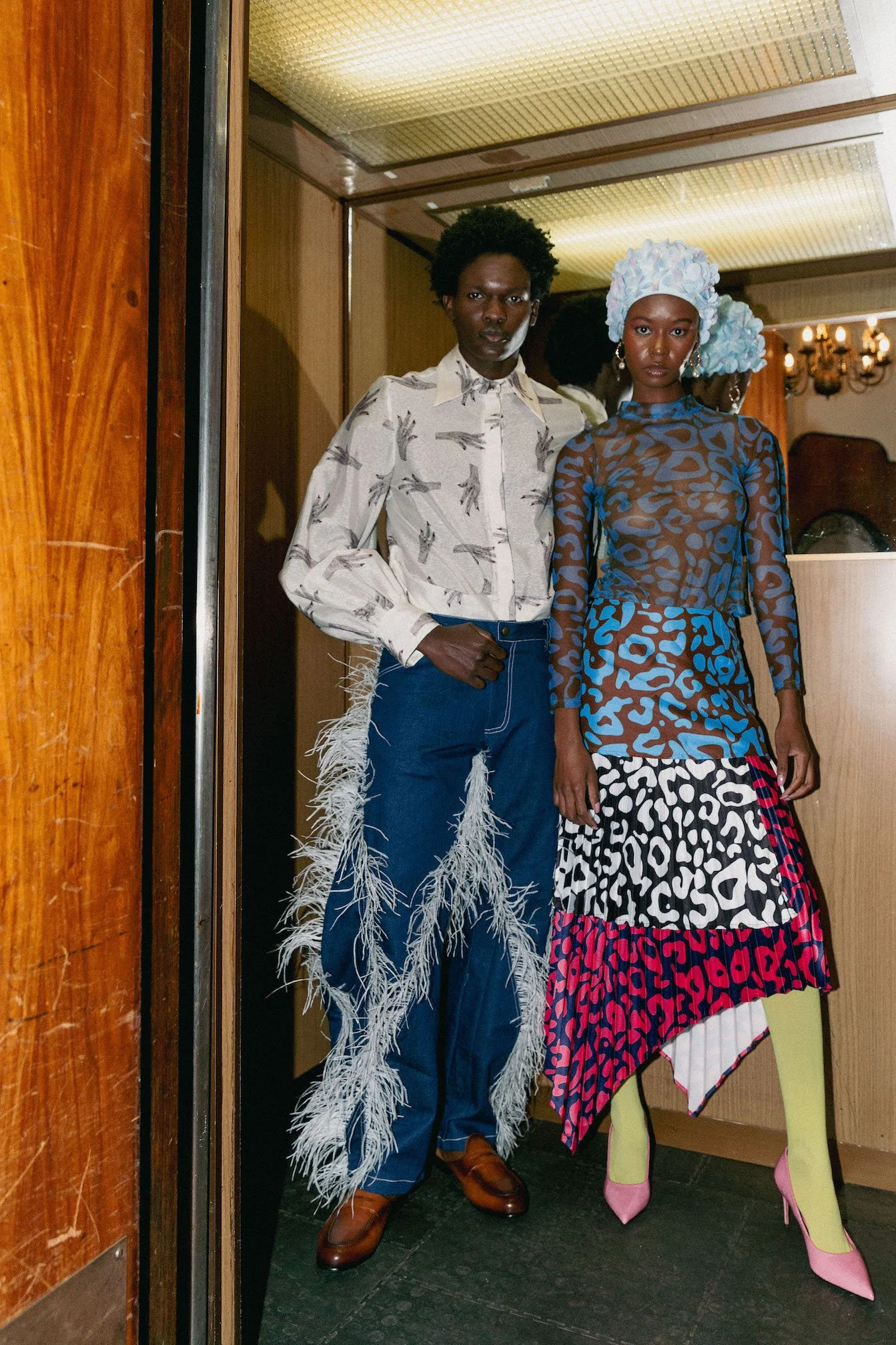
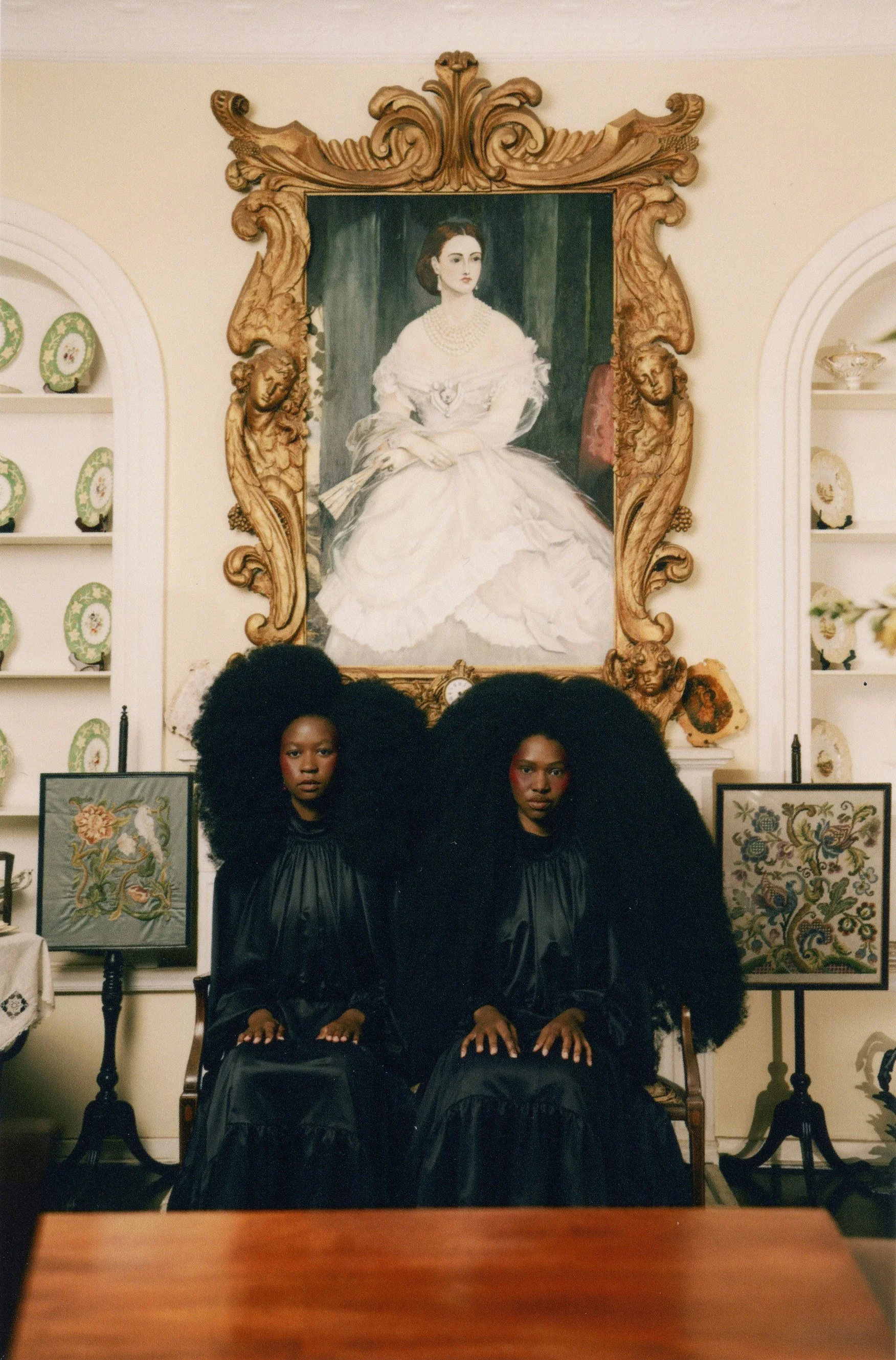

You see it in the garments: strength without hardness. Precision without fragility. Fashion school could have been technical training. Instead, it reframed ambition. “Spero and the Villioti team taught me to see fashion as luxury, not in price, but in attention. Detail.” Recognition followed. A Dean’s Merit Award. Then, Milan, where I was selected as one of five designers through the Edcon program to show at Milan Fashion Week.
“It was early. Very early for the brand. But it felt like confirmation. Like, okay. We’re not crazy. This works.” A collection, for Mpumi, doesn’t begin with spectacle. “You don’t reinvent the wheel every season. You ask what story needs to be told. What worked. Where are you going?”The bold shapes and layered construction aren’t aesthetic indulgences; they are functional decisions. These are clothes designed for movement, for work, for life beyond a runway. “Wearability matters.”
On sustainability, Mpumi is pragmatic. “I had to understand where we fit on that spectrum.” There is no greenwashing here. Production aligns with demand. Expensive pieces are made-to-order. Dead stock is avoided. South Africa’s fabric landscape presents its own constraints, much of it imported surplus, so relationships with trusted CMTs and selective in-house production become part of the strategy.
Quality, for Ezokhetho, is longevity. “African luxury starts with a story,” Mpumi says. “It’s heritage. It’s how the garment is made. How it’s packaged. How it arrives. It’s not a copy of European luxury. It’s something else entirely.” Luxury as experience. As intention.
The moment that stays with Mpumi isn’t a runway. “It’s when someone opens the box. When they’re genuinely happy. That’s it. That’s the job.”
What’s next? “More. Bigger, but not reckless. Trade shows. International editorials. Collaborations. A solo show, eventually. As I become more comfortable with who I am, the brand grows too.”
Writing this, I kept returning to that magazine I started a decade ago, the one I let go of.
Ezokhetho means carefully chosen. Maybe that’s the lesson. Some paths aren’t abandoned. They’re paused. Waiting for you to decide again.
This is for those who put things down and have the courage to pick them back up.