Framing Art And Photography: Designer Guide
Great custom frames do far more than hold a picture on the wall. They transform simple photography and prints into striking visual features that suit modern homes.
Selecting appropriate colors, materials, and mounting styles protects art from light damage and moisture. Proper custom framing decisions balance proportions, preserve paper quality, and showcase every image cleanly.
Understanding Proportion And Scale
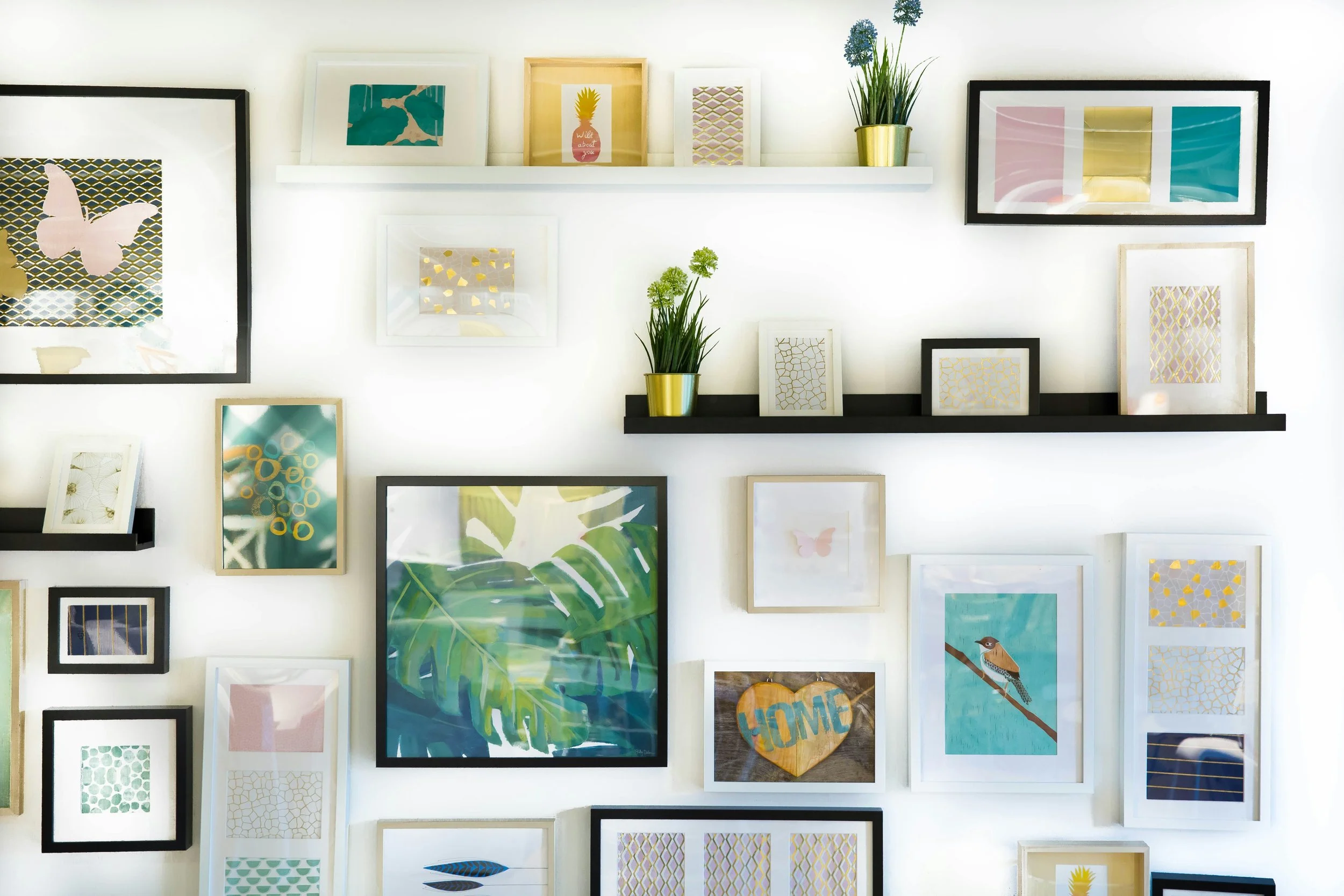
Frame thickness changes how people view artwork in a room. When designing gallery walls or single focal points, the team behind Frame Today says that matching frame weight to piece size creates balance across living spaces. Bold dark borders highlight large prints, whereas slim metallic edges suit small photographs.
Broad frames anchor large pieces in spacious rooms, giving artwork proper visual weight. Small images benefit from wide mats that give art room to breathe. Oversized photos need slender profiles so the molding never overpowers the photo itself.
Keeping scale in mind prevents common display mistakes in small apartments or wide entry hallways. Custom mat widths create separation between busy wallpaper patterns and detailed print artwork.
Choosing Defensive Matting Materials
Paper items require barrier protection against atmospheric elements like humidity or pollution. Preservation guidelines indicate preservation matting and framing materials limit environmental risks to displayed objects.
Using correct protective barriers preserves paper color and original texture for decades. Quality matting separates delicate artwork surfaces from moisture buildup inside sealed frames.
Cotton rag matting provides natural defense against fading over extended display periods. Standard wood pulp cardboard mats often cause art to rot or yellow within 5 to 10 years.
Selecting archival materials prevents irreversible damage to vintage prints, rare maps, and family photos. Neutral white and off-white matte shades direct focus onto visual content without causing color distraction.
Protecting Paper From Acid Damage
Standard framing materials often release harmful acids slowly. Conservation specialists note that chemically pure matboards avoid artwork deterioration caused by inferior backings and mounts.
Pure board keeps sensitive watercolors, charcoal sketches, and photographic prints crisp. Investing in archival backings protects underlying paper layers from acidic off-gassing.
Acids in cheaper mounting boards migrate into paper fibers, creating ugly brown spots called foxing. 100% cotton fiber mats stop chemical migration completely.
Fine art stays bright without edge yellowing or surface embrittlement. Acid-free foam board backings reinforce thin prints without introducing chemical toxins into display enclosures.
Mounting Direct Glass Displays
Framing works without mat boards presents unique physical challenges. Industry standard framing guidelines recommend using spacer material to hold artwork off the glass when mat boards are not used.
Direct contact between paper and glass traps condensation and ruins image surfaces as temperatures change. Spacers create tiny air gaps along inner frame edges. These spacers hide behind frame lips to keep glass off glossy photos:
Plastic spacers create clear separation between glass surfaces and photo emulsions.
Wood spacers match frame interior finishes for a seamless aesthetic look.
Foam strips absorb micro vibrations in high-traffic display zones.
Air circulation keeps prints dry and flat inside custom frames. Maintaining space prevents photo emulsion sticking, which causes peeling upon removal. Proper clearance safeguards gloss finishes from thermal expansion and humidity changes.
Hanging Heights And Spatial Placement
Proper hanging elevation transforms how artwork interacts with furniture and lighting. Eye-level placement sits approximately 57 to 60 inches from the floor to the artwork's center point.
Positioning pieces at this height ensures comfortable viewing without straining neck muscles. Hanging art above sofas requires 6 to 8 inches of breathing space between the furniture top and frame bottom.
Grouping multiple frames requires uniform spacing between individual borders. Spacing frames 2 to 3 inches apart maintains cohesive visual grouping across gallery walls.
Grid layouts work exceptionally well for photography series sharing identical frame profiles. Asymmetrical arrangements allow flexible grouping of varied artwork sizes and mixed framing styles.
Matching Frame Profiles To Interior Design
Selecting frame finishes relies on existing decor styles across home spaces. Clean white or light oak frames complement minimalist Scandinavian interiors. Dark walnut or ornate carved moldings bring warmth into traditional living rooms. Black frames offer crisp contrast against white walls in modern spaces.
Mixing frame styles adds personality to art displays without cluttering room walls. Designers combine thin metal frames with chunky wooden profiles for dynamic room texture.
Consistent mat sizing unifies different frame styles across single wall areas. Matching metal frame finishes with room hardware creates visual harmony across interior design schemes.
Glazing Options For Light Management
Glazing choice dictates how artwork looks under natural or artificial lighting. Standard clear glass offers basic protection but reflects bright indoor lamps and sunny windows.
Anti-reflective glass cuts glare while keeping photo colors sharp and colorful. Clear acrylic glazing provides lightweight protection for oversized frames without risking glass breakage.
Ultraviolet light protection stops inks and watercolors from fading near windows. Museum glass blocks up to 99% of UV light for valuable original pieces.
Anti-static acrylic options suit fragile pastel drawings by preventing powder lift-off from paper surfaces. Quality glass choices preserve rich photo tones despite daily sun exposure.
Thoughtful custom framing protects artwork while improving interior aesthetics. Selecting acid-free materials, appropriate spacers, and proper glazing safeguards visual collections for generations. Smart choices keep favorite photos and art looking sharp for years ahead.