Healthy Ways to Encourage Early Motor Skill Development
Watching an infant explore the surroundings is a remarkable experience. Every tiny movement represents a step toward independence and physical strength. Parents wonder how to support these milestones without overcomplicating daily routines.
Simple changes in daily habits can create perfect opportunities for physical growth. You can set up a supportive environment right at home. Giving your child the freedom to move naturally is a wonderful gift.
Prioritizing Daily Unrestricted Movement
Babies need plenty of space to wiggle and stretch their limbs freely. Many families discover that baby and me swim classes offer an excellent environment for this type of movement, as water lets infants move without standard restrictions. Leave containers like bouncers or car seats behind during playtime.
Floor play gives infants the freedom to roll, reach, and kick. Basic actions lay the foundation for crawling and walking later. Placing a child on a firm blanket gives them the traction they need to push themselves up. Active playtime builds strong bones and joints.
Maximizing Sensory Exploration and Brain Growth
Physical movement works hand in hand with sensory experiences during the first 12 months. When infants touch different textures or track moving objects, their minds grow with their muscles. A publication from a medical school blog explained that physical activity combined with sensory tracking constructs brain pathways linked to spatial awareness, coordination, and balance.
Providing safe objects of different shapes and weights encourages natural curiosity. Regular floor sessions help babies learn where their bodies are in space. Use everyday household items like clean containers or soft cloths to stimulate their senses. Sensory play turns basic movements into valuable learning opportunities.
Setting Up a Safe Interactive Play Space
Creating a dedicated area encourages independent exploration. Clear out hazards and lay down a comfortable mat on the floor. The zone gives your little one the freedom to test their physical limits safely. A dedicated room or corner allows you to supervise without constantly intervening.
You can include specific items to invite movement:
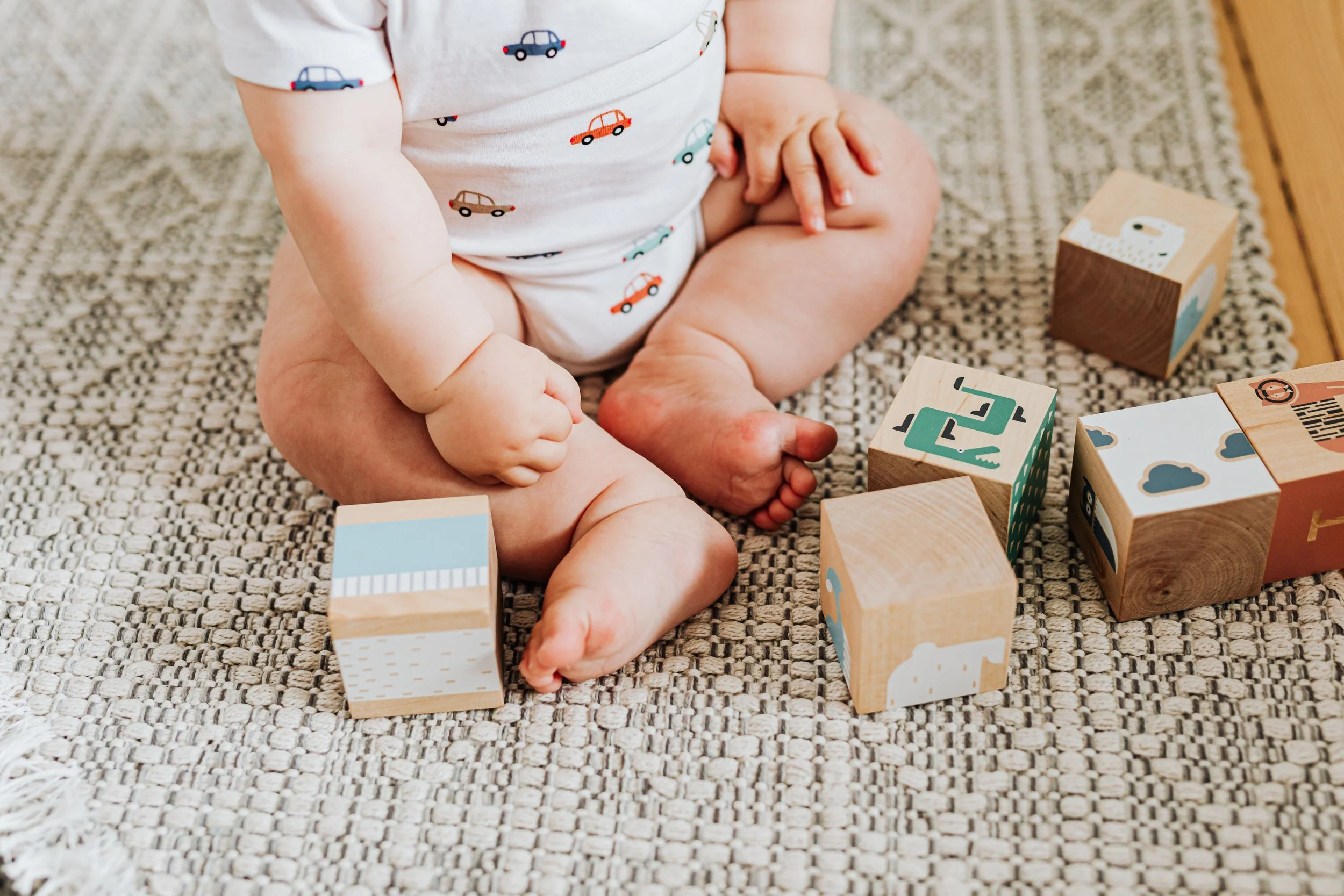
Soft blocks that are easy to grab
Small mirrors placed at eye level
Lightweight rattles that reward shaking
Objects encourage infants to stretch and change positions. Gentle guidance keeps the experience positive and fun. Rotating toys every week keeps the environment fresh and exciting.
Integrating Structured Tummy Time Routines
Spending time on the stomach is a cornerstone of early physical progression. The position strengthens the neck, back, and shoulders. Tempting a baby to grasp bright items during belly time boosts two-sided coordination and visual tracking together.
Prop up a favorite book right in front of them. A simple setup extends the session since the infant stays entertained. Aim for short sessions multiple times throughout the day to build stamina. Gradually increasing the duration helps your baby adjust to this position.
Utilizing Water Resistance for Muscle Strength
Aquatic environments offer unique physical benefits for growing children. The buoyancy of water supports their weight, which allows for different kinds of motion. Early swimming sessions deliver full-body resistance that aids infants in mastering independent sitting.
Moving through water exercises core muscles that are hard to target on land. These sessions double as excellent bonding experiences for parents. Floating gently helps infants experience balance in a new way. Gentle splashes can teach them about cause and effect.
Encouraging Bilateral Coordination Through Daily Play
Using both sides of the body together is a skill that develops across several months. You can play games that require two hands, like clapping or passing an object back and forth. Rolling a soft ball toward your child encourages them to extend both arms.
Simple Clapping and Reaching Games
Singing songs with hand motions encourages imitation and coordination. Handing a toy to a baby's left hand forces them to reach across their midline. Crossover movement builds stronger connections between the left and right sides of the brain. Repeating these games builds muscle memory.
Tracking Objects Through Space
Move a toy slowly from left to right to build visual tracking skills. Infants can coordinate their vision with their physical movements. These activities create the confidence needed for complex tasks like crawling. Vision and physical control develop together.
Practicing Gentle Balance and Sitting Exercises
Once an infant gains upper body control, you can help them practice sitting. Prop them up with firm pillows or hold them securely by the hips. Support lets them practice balancing their torso without falling over.
Reaching for toys from a seated position exercises the lower back and abdominal muscles. Keep these sessions brief to prevent fatigue. If they begin to lean or tilt, gently lower them back to the floor for a break. Regular practice builds the necessary core endurance.
Supporting early physical growth involves patience and simple daily interactions. Set up a safe space, and you give your baby the tools they need to succeed. There is no need for expensive gear or rigid schedules.
Enjoy these playful moments as your child discovers what their body can do. Your encouragement makes a world of difference. Every small step builds toward an active future.