How to Choose Between Wispy, Natural, and Volume Lash Clusters
Pick the wrong lash cluster style, and you're stuck with something that feels overdone, flat, or just wrong for your face. Three main styles exist: wispy, natural, and volume, and each one does something different to your eye shape and overall look. This guide breaks down what separates them, helps you match the right style to how you actually live, and walks you through application so your results look intentional instead of like an accident.
Differences Between Wispy, Natural, and Volume Lash Clusters
Your style choice sets the tone for your entire eye makeup, so understanding exactly what separates these three options matters before you buy. Browse any curated lash collection, and you'll find that vegan silk lash clusters come in all three styles, each built with a different fiber count, curl pattern, and band structure that directly affects how the finished look reads on your face. Wispy clusters use varied-length fibers with tapered ends that catch light and create that feathery, editorial effect you see in fashion spreads. Natural clusters stay closer to your lash line with a softer curl and fewer fibers per band; they blend with your real lashes rather than sitting on top of them. Volume clusters pack in more fibers with a tighter fan shape, delivering the density you'd expect from a professional lash fill. Knowing these structural differences upfront saves you from buying the wrong style twice.
What Makes Each Lash Cluster Style Unique
Each style has its own visual signature, and the difference shows up even before you apply them. Wispy clusters are defined by irregular fiber lengths, some strands short, some dramatically longer, which creates that spiky, editorial effect favored for photoshoots and high-impact looks. The intentional asymmetry is exactly the point. Natural clusters, by contrast, use fibers of consistent, moderate length with a subtle C-curl; they sit flush against your lash line and blend almost invisibly with your bio lashes, making them the go-to for no-makeup makeup days or office environments where full glam doesn't fit. Volume clusters work differently: they feature densely packed fibers in a D-curl or DD-curl arrangement, fanned out wider at the base to create maximum fullness. The added density makes sparse or thin lashes appear thicker without mascara or liner. Each style is designed for a specific result. Matching it to your intention before you buy matters more than most people realize.
How Density and Length Vary Across the Three Styles
Density and length are the two variables that most directly control how dramatic your finished look becomes, and all three cluster types sit at different points on both scales. Natural clusters generally run between 9mm and 12mm, staying within the range of most people's real lash length so the blend looks believable. Their fiber count per cluster sits on the lower end, which keeps the lash line looking soft rather than packed. Wispy clusters often include a mix of lengths in a single cluster, with shorter fibers around 10mm and longer accent fibers reaching 14mm or even 16mm; that length variation is what produces the spiky, dimensional look. Volume clusters tend to focus less on extreme length and more on fiber count. They usually land in the 11mm to 14mm range but contain far more fibers per band, which reads as density and thickness rather than length. Prefer something subtle and day-appropriate? Natural clusters are your starting point. Want drama? Wispy or volume both deliver it, just in different directions.
Matching Lash Cluster Types to Your Eye Shape and Lifestyle
Your eye shape and daily schedule are just as important as your style preference, and getting both right is how you choose between wispy, natural, and volume lash clusters without second-guessing yourself later. A cluster style that photographs beautifully might feel excessive for a Tuesday morning at work; a style that looks perfect in natural light might disappear entirely under evening venue lighting. The goal is finding the overlap between what flatters your specific eye shape and what actually suits how you spend your days, so the lashes feel like a natural extension of how you already present yourself rather than a costume.
Choosing Based on Eye Shape and Desired Look
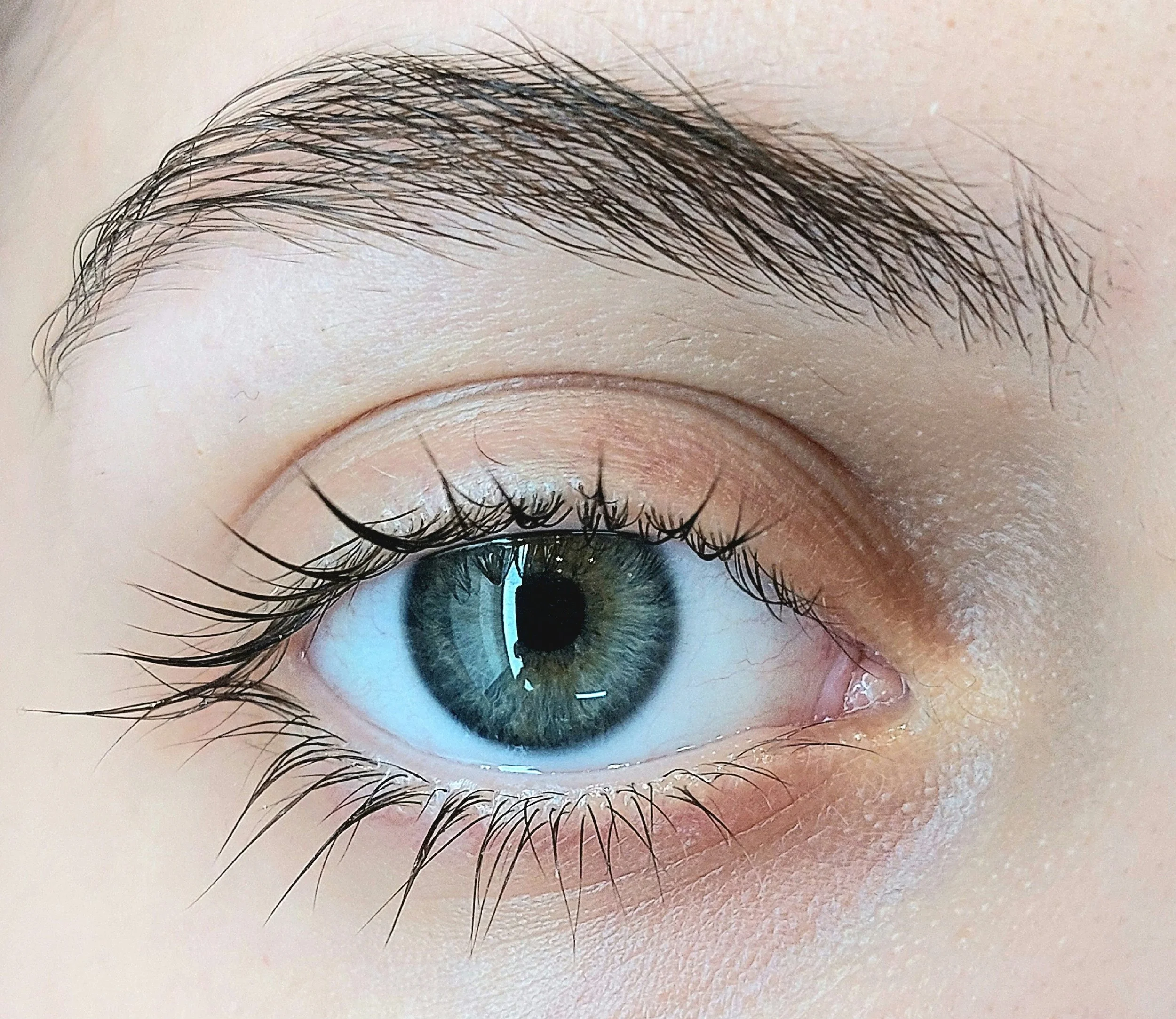
Eye shape plays a real role in which cluster style flatters most. Round eyes? Wispy clusters add definition at the outer corners and pull the shape into a more almond effect. Almond-shaped eyes work with all three styles, but volume clusters placed at the center of the lid intensify the natural curve for an especially striking result. Hooded eyes do best with natural clusters, since heavy volume or long wispy strands can weigh down the lid and make the eye appear smaller rather than more open. Monolid eyes respond well to a combination approach: natural clusters at the inner corner, wispy clusters toward the outer edge; this gradual shift from subtle to dramatic opens the eye without overdoing it. Deep-set eyes can carry volume clusters without issue because the natural shadow of the socket creates contrast that makes the dense fibers pop. Spend a few minutes identifying your eye shape before you shop. The right cluster style will sit more comfortably, last longer, and look far more flattering than something chosen at random.
Considering Maintenance and Durability for Your Routine
Your lifestyle has a direct effect on how long your lash clusters hold and how much effort they require between applications. Natural clusters are the lowest-maintenance of the three; their lighter weight puts less stress on the bond, so they tend to stay in place longer, often up to five days with proper care. They're also easier to remove and reapply without damaging your bio lashes, which matters if you plan to wear them regularly. Wispy clusters are moderate in maintenance needs. The longer accent fibers can snag on pillowcases or catch during face washing if you're not careful, so they require a bit more attention at night. Volume clusters are the heaviest of the three, and that weight means the bond needs to be fresh and secure to last. Swim, exercise heavily, or work in humid conditions? Volume clusters may lift sooner than natural ones in those scenarios. Look at your typical week: how much time do you have for touch-ups, how active are you, and how often do you cleanse your face thoroughly? Your answers point clearly toward the cluster style your routine can realistically support.
Making Your Final Selection: Application Tips and Expected Results
By now you know which style suits your eye shape and fits your lifestyle. Getting the application right is what comes next, because even the correct cluster style can look uneven or feel uncomfortable if your technique is off. Proper prep, correct placement, and a few style-specific adjustments make the difference between results that look polished and results that need redoing by midday.
How to Apply Each Cluster Type for Best Results
Start with clean, oil-free lids regardless of which style you're using. Oil residue breaks down lash adhesive faster than almost anything else, so a quick swipe with a clean cotton pad before you begin gives your bond a better surface to grip. For natural clusters, place them directly against your lash line starting from the outer corner and work inward; use tweezers or a lash applicator tool to press each cluster gently into the glue before it sets. Natural clusters sit best slightly underneath your bio lashes so they blend from below rather than stacking on top. For wispy clusters, alternate the placement so shorter clusters sit between longer ones along the lash line; this creates the irregular, layered effect that defines the wispy style. Press the base firmly, but don't drag the cluster along the lid once it touches adhesive. Volume clusters need the most precise placement because their width makes overlap easy; apply them with more space between each cluster than you think you need, then assess fullness before adding more. Overcrowding volume clusters produces a blocky, unnatural result. Let each style cure for at least 30 seconds before opening your eyes fully.
Conclusion
Here's the thing: choosing between wispy, natural, and volume lash clusters comes down to three considerations. First, the structural difference between styles; second, how each one works with your eye shape; third, what your daily routine can realistically support. Natural clusters suit a low-maintenance, everyday look. Wispy clusters deliver editorial drama with dimensional length. Volume clusters create density for occasions where full impact matters. Match the style to your intention, apply with clean technique, and you'll get results that look deliberate every single time.