
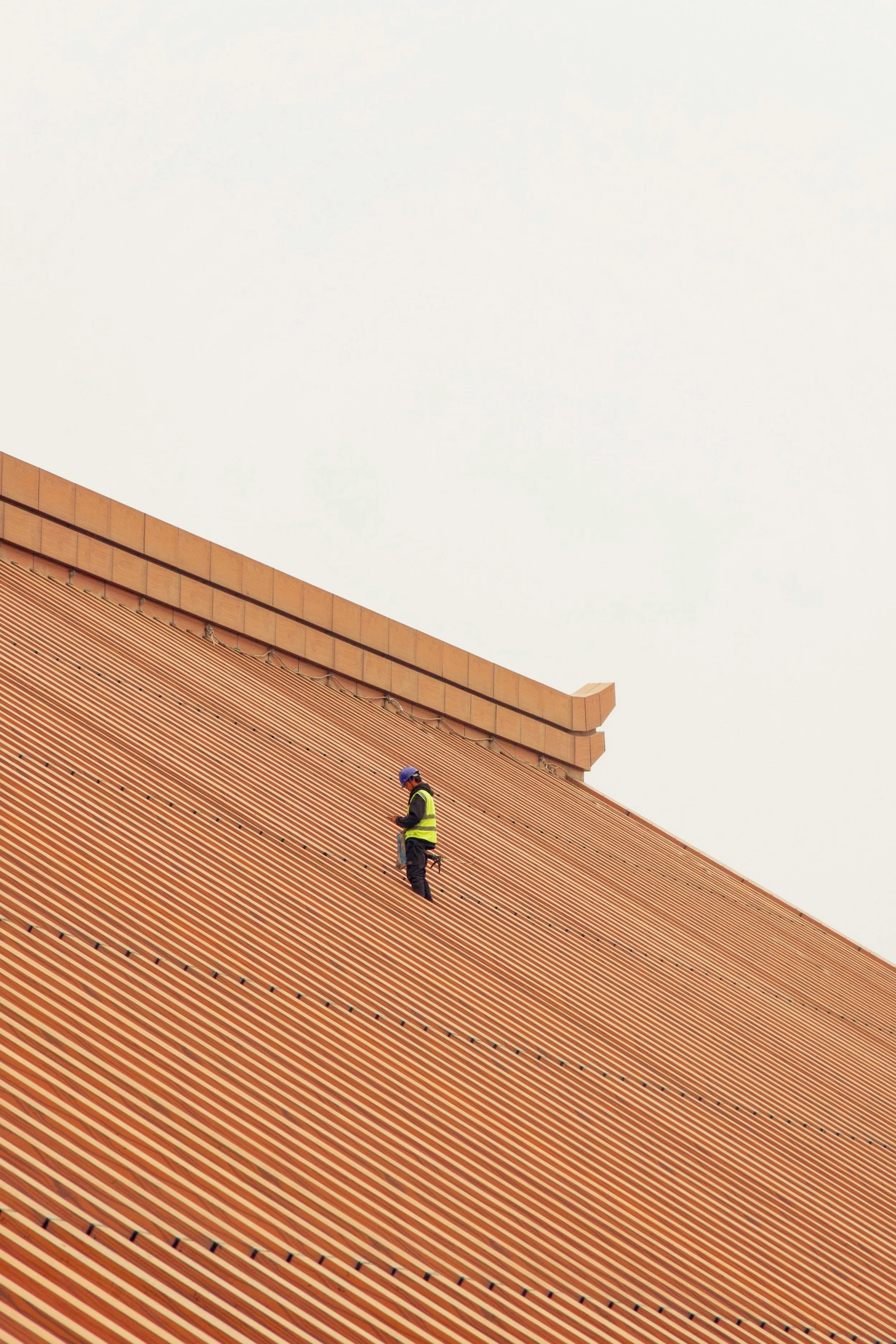
Key Commercial Roof Replacement Strategies in 2026
Commercial properties need reliable shelter to keep operations running smoothly year-round. Managing an aging building structure demands smart choices and structured planning. Facility leaders face shifting weather patterns and rising operational expenses every season. Upgrading commercial roofs using modern methods protects investments long into the future.
Partnering With Experienced Roofing Specialists
Building owners must evaluate qualified local contractors before committing to major commercial overhauls. Commercial managers looking for experts can check out their services here to explore professional replacement solutions. Working with skilled teams keeps projects on schedule and prevents costly installation errors. Careful contractor selection remains a foundation for long-term facility protection.
Proper contractor selection prevents budget overruns and delays during roof tear-offs. Qualified teams evaluate underlying deck structures, drainage setups, and building codes before starting work. Clear communication between property managers and roofing teams guarantees smooth workflow execution.
Proactive Management Prevents Structural Interior Damage
Preventative roof care protects commercial structures against unexpected physical failures. Proactive roof management prevents structural interior damage that accounts for over 60% of commercial building insurance claims. Delaying minor repairs leads to widespread structural issues across upper floors. Water damage can ruin electrical systems, ceiling tiles, and valuable business inventory.
Advanced diagnostic techniques assist facility teams in mapping out repair timelines long before leaks appear. Facility leaders use regular thermographic infrared roof inspections to identify hidden moisture entrapment, allowing them to plan replacement budgets 12 to 18 months in advance. Early detection gives building owners complete control over maintenance budgets. Scheduling repairs ahead of time eliminates high emergency service fees.
Selecting High Performance Membrane Systems
Selecting the right roofing material determines long-term structural resilience. Single-ply membranes are a top choice for modern flat commercial roofs. Commercial facility managers choose between thermoplastic polyolefin and ethylene propylene diene monomer based on property requirements. These membrane options offer excellent durability under tough industrial conditions.
Investing in high-performance TPO and EPDM roofing systems extends commercial roof lifespan to 25-30 years with proper maintenance. These durable membranes withstand intense solar radiation without breaking down quickly. Modern synthetic materials prevent water penetration and maintain structural flexibility during extreme seasonal freeze-thaw cycles. Key advantages of modern membrane systems include:
Strong resistance against chemical exposures and industrial pollutants
High flexibility during sudden temperature shifts across seasons
Easy installation process that minimizes business disruptions
Prioritizing Energy-Efficient Roof Insulation
Insulation maintains internal building temperatures. Thermal efficiency upgrades cut HVAC workload during extreme heat waves and deep winter freezes. Building managers focus heavily on upgrading thermal barriers during major tear-offs. Adequate board thickness prevents indoor heat from escaping through upper roofs.
Over 45% of commercial facility managers prioritized energy-efficient roof insulation during major replacements throughout 2025. High R-value insulation panels lower internal energy consumption. Modern designs focus on layered insulation boards to reduce thermal bridging across metal roof decks. Lowering HVAC strain lowers monthly electricity bills across all calendar quarters.
Adopting Sustainable Reflective Roof Retrofits
Reflective roofing options continue to gain traction across commercial sectors. High-performance cool roof surfaces reflect solar energy away from building envelopes. White membranes prevent urban heat islands from raising roof deck temperatures.
Commercial roofing contractors report a 20% increase in demand for retrofitting existing commercial structures with sustainable reflective roofing materials. Building owners cut operational costs and maintain comfortable interior environments for staff.
Lowering cooling demand reduces strain on aging mechanical equipment. The strategy creates direct financial savings on monthly power utilities. Reflective surfaces protect membrane layers from premature UV breakdown.
Upgrading Weather Resilience With Modified Bitumen
Severe weather events place immense pressure on commercial building envelopes. High winds, heavy hail, and falling debris can puncture standard single-ply materials if conditions get harsh enough. Property owners require heavy-duty membrane protection in storm zones.
Incorporating multi-ply modified bitumen systems during commercial roof retrofits offers superior impact resistance against severe weather events. Multi-ply systems create redundant layers of protection that stop water intrusion even if top layers sustain minor damage. Commercial properties in regions prone to extreme storms benefit greatly from these reinforced layers. Multiple asphalt layers form a strong shield against hail damage.
Reducing Downtime Through Timely Replacement Decisions
Waiting until catastrophic leaks occur costs property managers far more than scheduled upgrades. Planned replacements keep business operations running. Facility leaders should address aging roofing materials before water damages internal production lines.
Replacing an aging commercial roof before major membrane failure reduces unexpected downtime costs for businesses by an estimated 30%. Facility operators maintain strict production schedules without worrying about inventory damage from sudden ceiling leaks. Timely installations protect commercial revenue streams from sudden disruptions. Smart replacement scheduling considers the following elements:
Weather seasonal forecasts to avoid heavy rain windows
Daily facility occupancy patterns to limit parking disruptions
Equipment delivery timelines for rapid installation cycles
To plan commercial roof replacement, evaluate physical materials, financial returns, and installation timing. Facility owners who take action early protect structural integrity and keep energy bills low.
Modern replacement strategies position commercial properties for decade-long protection against external elements. Building managers who invest in proper materials secure reliable protection for tenants and workers.