Makeover Or Recovery? When Commercial Spaces Need Both
Commercial properties face continuous wear and tear from foot traffic, weather, and shifting industry demands. Property managers frequently debate whether a facility requires a full aesthetic redesign or critical structural fixes. Facing both situations simultaneously creates unique operational hurdles for any enterprise. Balancing physical restoration with modern interior design helps property owners maximize asset value and minimize business disruptions.
Blending Structural Repair with Design Upgrades
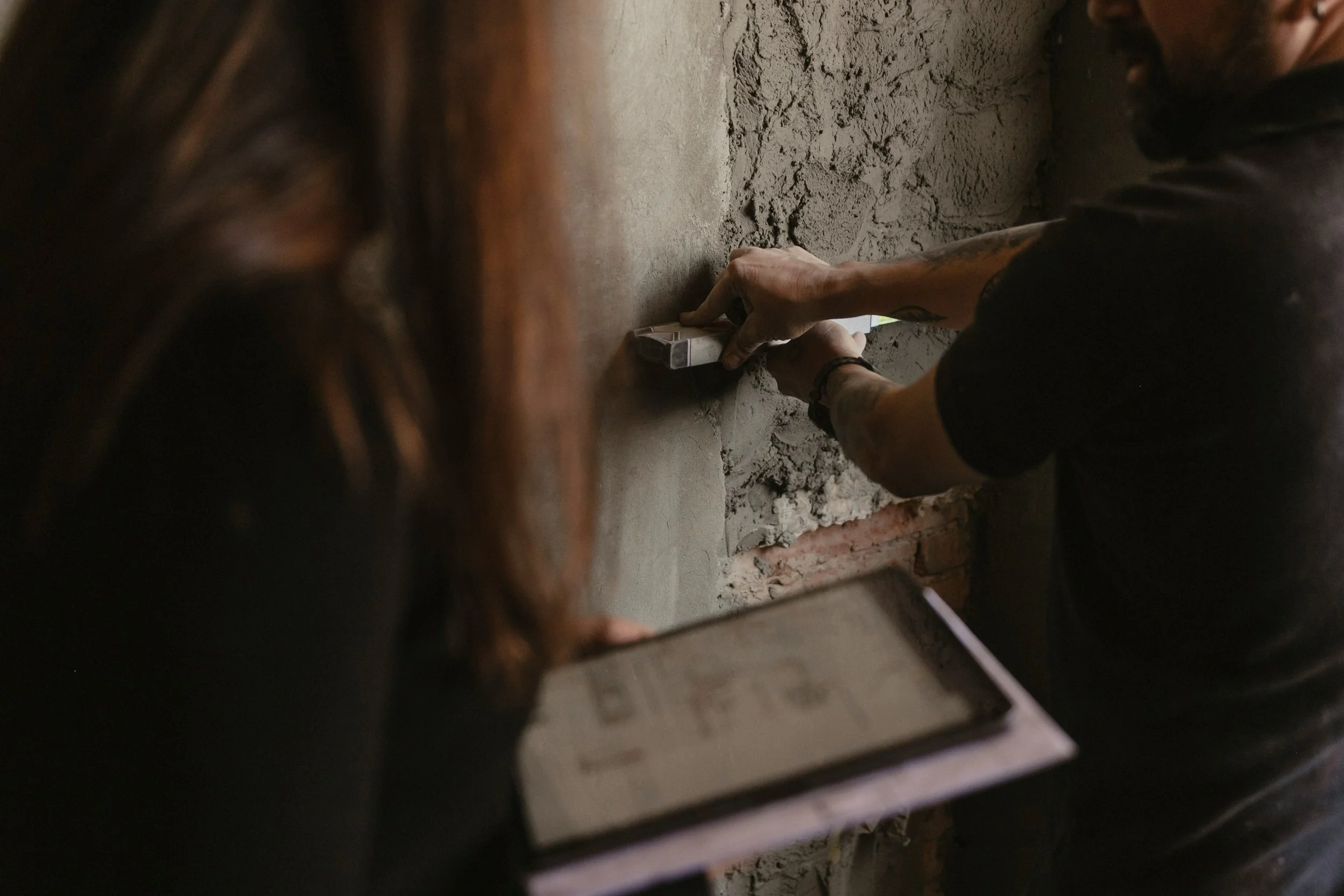
Commercial buildings face unpredictable challenges every year, from sudden plumbing breaks to outdated floor plans. Building managers often turn to Cotton’s disaster recovery services when urgent physical repairs require immediate action alongside planned layout modifications. Addressing foundational fixes alongside modern design changes keeps facilities functional without repeating expensive construction cycles.
Taking a combined approach helps streamline contractors, permits, and equipment on site. Scheduling plumbing, electrical, and structural stabilization together with cosmetic painting or new flooring reduces total timeline lengths. Facilities return to full operations faster when crews tackle both tasks under 1 coordinated plan.
Assessing Commercial Real Estate Activity
Commercial property investments continue shifting across major metropolitan markets. A leading building owners and managers trade association reported that transaction volumes rose 11.3% year-over-year during the first quarter of 2025, pointing toward broader commercial recovery. Higher transaction activity prompts new owners to evaluate both immediate physical repairs and complete aesthetic modernizations.
Properties changing hands require thorough structural inspections alongside cosmetic updates. Buying an older commercial building usually brings hidden water issues or electrical vulnerabilities to light. Remodeling spaces right after acquisition creates clean, modern environments that attract higher-tier commercial tenants.
Commercial Renovation Market Trends
Demand for trade professionals remains high across commercial project sectors. Research from a home improvement insights organization highlighted that professional contracting channels lead sector growth through 2025, followed by steady needs-based replacement projects. Commercial space managers rely heavily on specialized trade teams to handle combined structural and cosmetic updates.
Professional contractors manage regulatory codes, environmental safety standards, and complex construction timelines. Attempting DIY maintenance on commercial infrastructure risks code violations and future safety hazards. Hiring experienced commercial contractors guarantees long-term durability and compliance across all physical facility assets.
Key Indicators Your Building Needs Dual Attention
Recognizing when a commercial space requires both structural restoration and cosmetic updates saves time and money. Certain facility warning signs indicate that cosmetic fixes alone will not solve underlying operational problems.
Persistent water stains on ceilings paired with outdated wall finishes
Cracked foundation walls visible near worn-out client reception lobbies
Outdated HVAC units causing uneven climate control and tenant complaints
Damaged flooring systems requiring structural subfloor replacement before new surface installation
Outmoded floor layouts that fail safety codes and modern accessibility standards
Addressing these issues early prevents minor cosmetic flaws from morphing into catastrophic physical failures.
Strategic Planning for Dual-Purpose Construction
Managing complex renovation projects requires detailed project timelines and clear communication. Commercial facilities must maintain daily business operations as crews repair walls, replace flooring, or upgrade plumbing systems. Phasing construction zones allows staff members to work safely in unaffected sections of the building.
Setting clear project budgets prevents cost overruns during double-scope construction work. Allocating specific contingency funds covers unforeseen structural issues uncovered during wall demolition or flooring removal. Clear financial planning keeps projects moving forward without stopping mid-construction. Setting clear milestones helps managers track daily progress effectively.
Coordinating Contractors and Project Schedules
Commercial redesign projects that involve structural fixes demand strict project management schedules. Working with multi-disciplinary contracting teams requires active daily oversight to keep plumbers, electricians, and interior decorators aligned. Streamlining trade schedules prevents overlapping shifts, trades blocking each other, and structural delays.
Facility managers who establish detailed milestones keep projects running on time. Establishing specific completion dates for structural repair phases before cosmetic teams begin painting or laying floor tiles prevents costly rework. Organized site management protects project timelines, controls labor expenses, and guarantees high-quality workmanship across every phase of construction.
Enhancing Property Value and Safety Standards
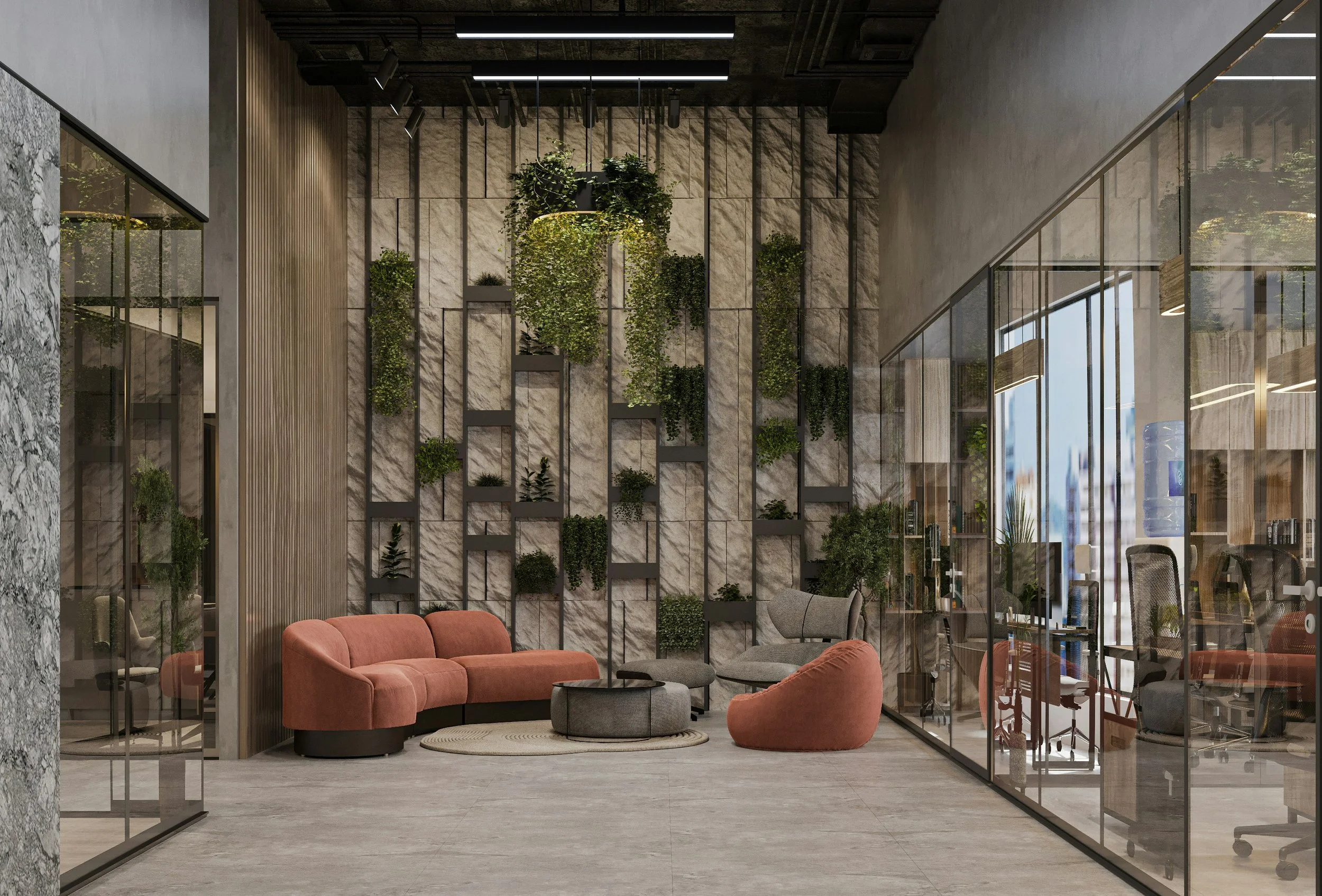
Combining structural repairs with modern interior design creates significant long-term property value. Upgraded facilities enjoy lower energy expenses, lower insurance costs, and improved occupant satisfaction rates. Updated commercial spaces attract quality corporate tenants who demand modern infrastructure and pristine interior designs.
Modern safety compliance protects property owners from potential legal liabilities. Installing updated fire suppression systems, modern lighting fixtures, and fresh interior finishes improves workplace safety. Commercial facilities that prioritize both strength and appearance stand out in competitive leasing markets.
Maximizing Return on Commercial Renovation Investments
Investments in commercial facility rehabilitation require clear metrics to measure long-term financial success. Upgrading utility systems during physical restorations lowers monthly operating expenses substantially over 5 to 10 years. Modern LED lighting, updated insulation, and efficient HVAC hardware yield measurable utility bill savings every single month.
Physical safety improvements lower property insurance premiums and limit costly downtime caused by sudden utility failures. Tenants willingly pay higher lease rates for modern spaces featuring reliable infrastructure, modern layout designs, and clean common areas. Combining immediate safety fixes with cosmetic interior updates generates maximum financial return for commercial property investors.
Balancing urgent physical restoration with planned aesthetic upgrades yields safer, more profitable commercial properties. Addressing underlying structural defects alongside modern layout changes saves money, shortens construction schedules, and protects property value. Commercial property owners who approach renovations with a comprehensive plan position their facilities for long-term commercial success and tenant retention.