Mapito Safari Camp Redefines East African Safari Design
Sleeping Under Serengeti Stars: Mapito Safari Camp Redefines East African Safari Design
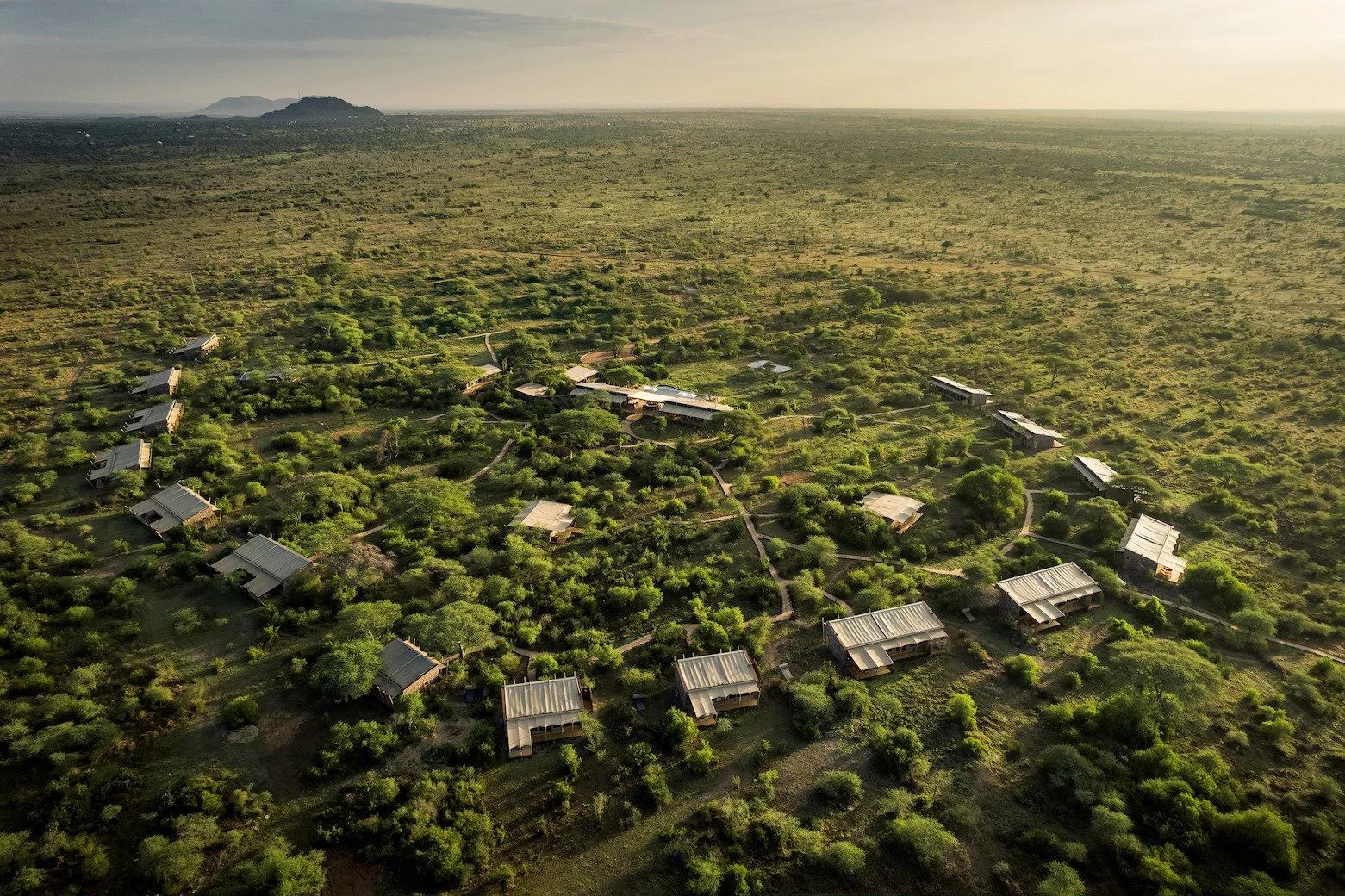
The Autograph Collection just opened its first safari camp, and it's doing something genuinely different in the crowded East African safari landscape. Mapito Safari Camp, which launched today near Tanzania's Fort Ikoma gate, centers its entire design philosophy around the night sky—an element most lodges treat as background ambiance rather than architectural focus.
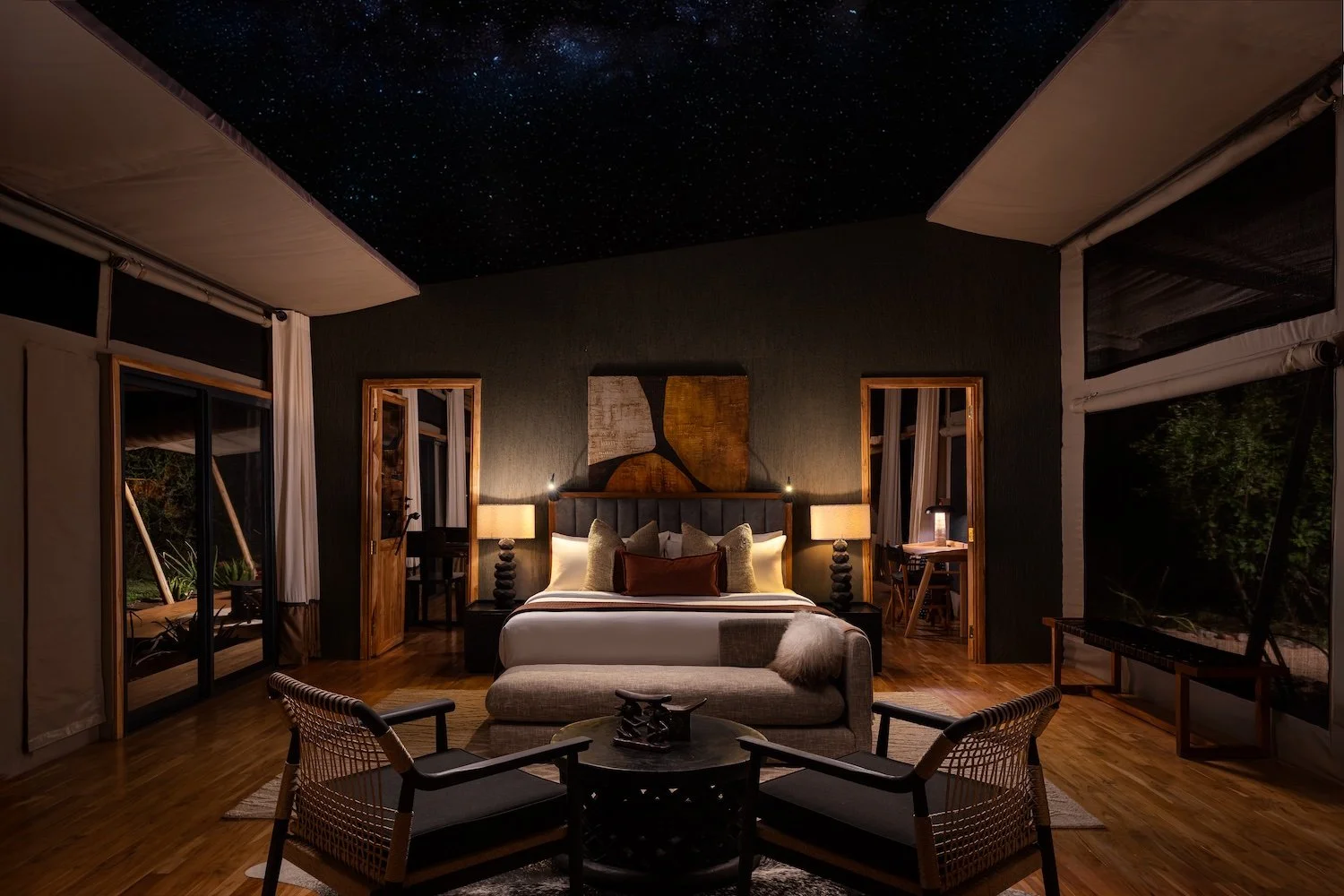
The defining feature: 15 tented suites with retractable canvas roofs. Guests can literally sleep under the stars, with in-room telescopes turning accommodation into observatory. It's a rare design move in a region where safari camps have largely followed predictable formulas for decades.
Design with Purpose
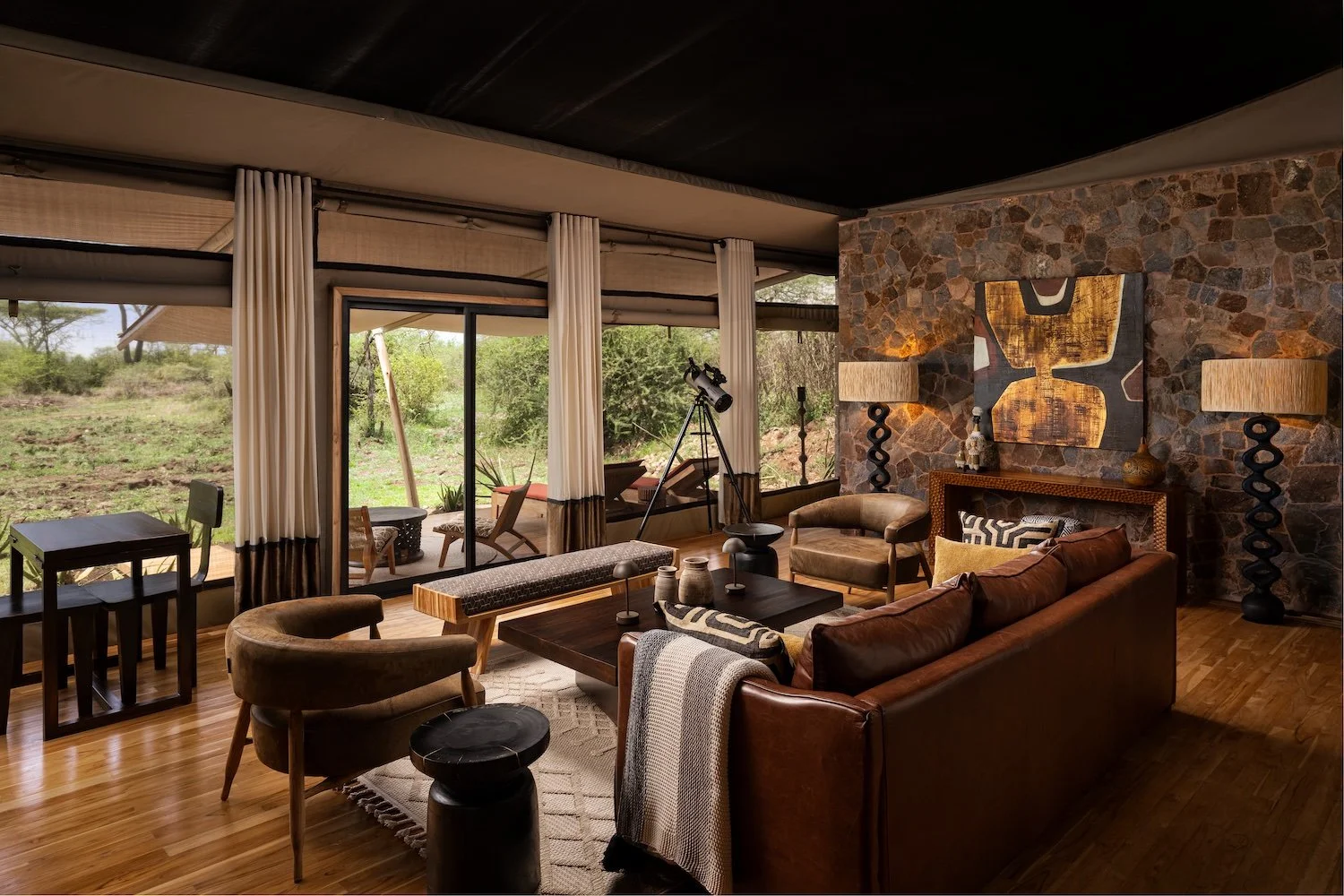
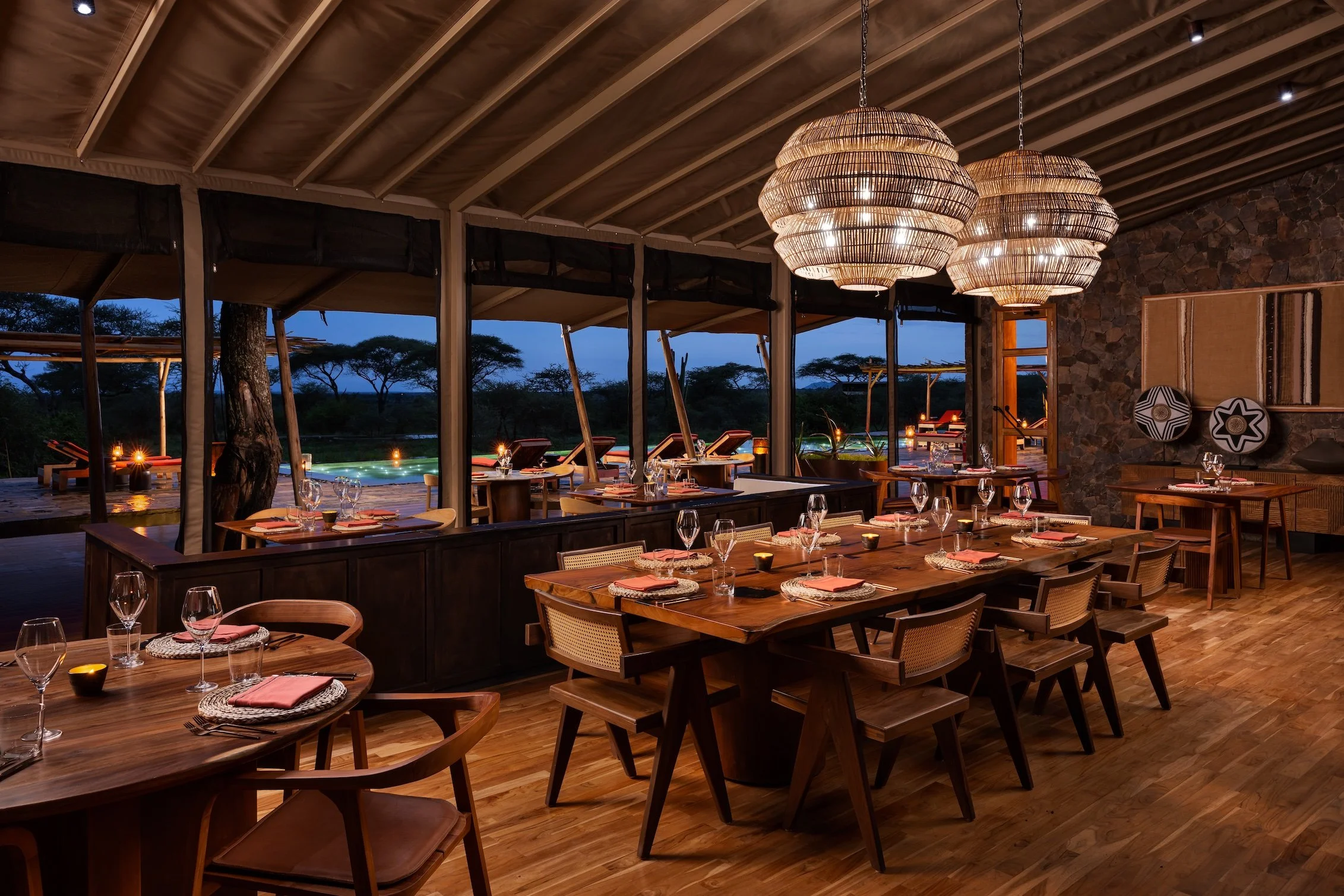
The camp tapped Arusha-based Dunia Designs to handle interiors, resulting in spaces that read as contemporary rather than the colonial-nostalgic aesthetic that still dominates much of safari hospitality. Nearly every element comes from local, primarily female-led artisan cooperatives—woven kikoys from Ifakara Women Weavers Association, beadwork from Randilen and Fort Ikoma, hand-blown glass from Shanga. Dunia Designs' signature recycled-material sculptures appear throughout as functional furniture.
This approach serves dual purposes: it creates distinctly Tanzanian interiors while directly supporting local craft economies. The camp reports generating over 250 jobs during construction, with 90% of current staff being Tanzanian, including senior leadership.
Beyond the Bedroom
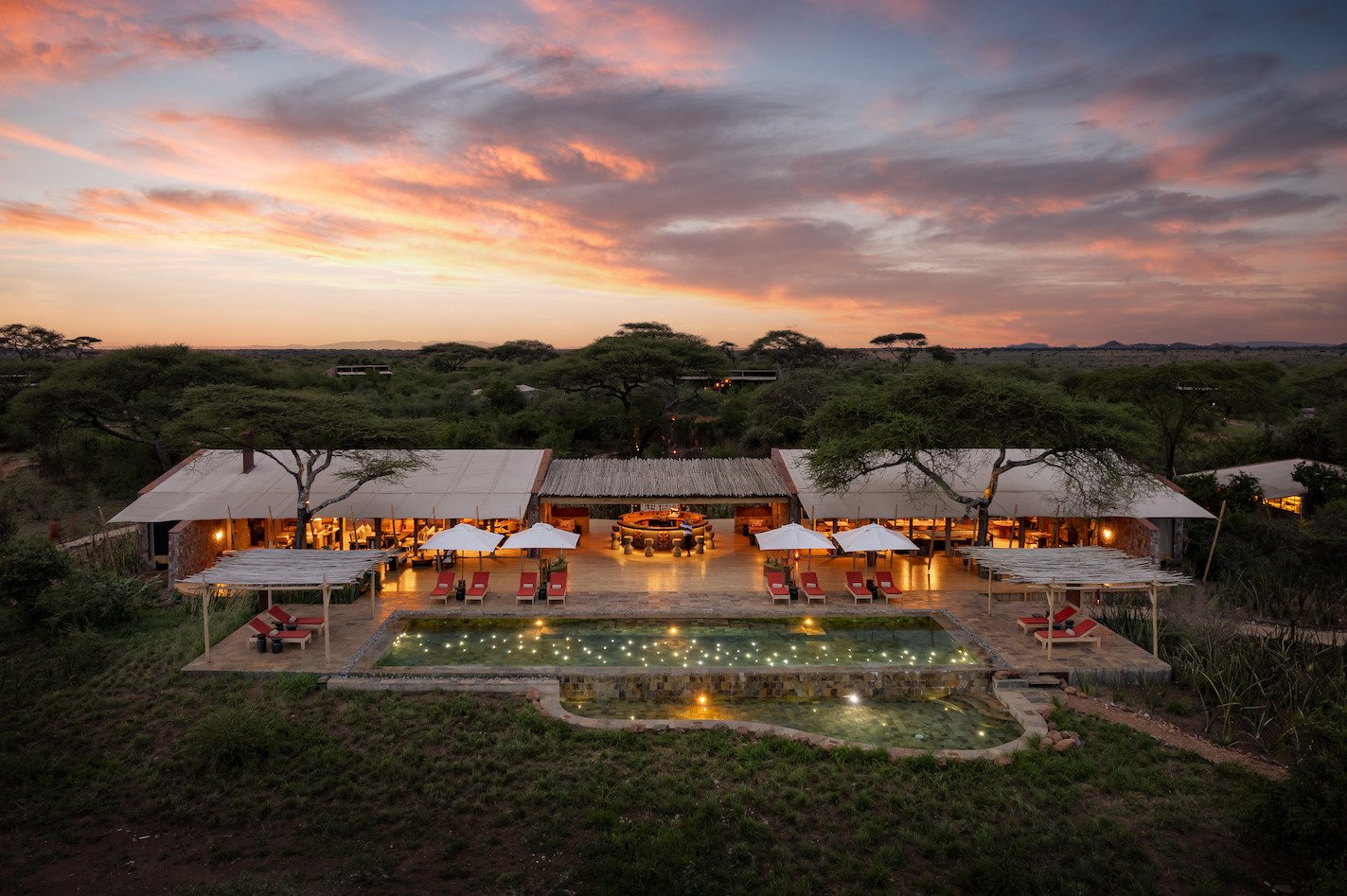
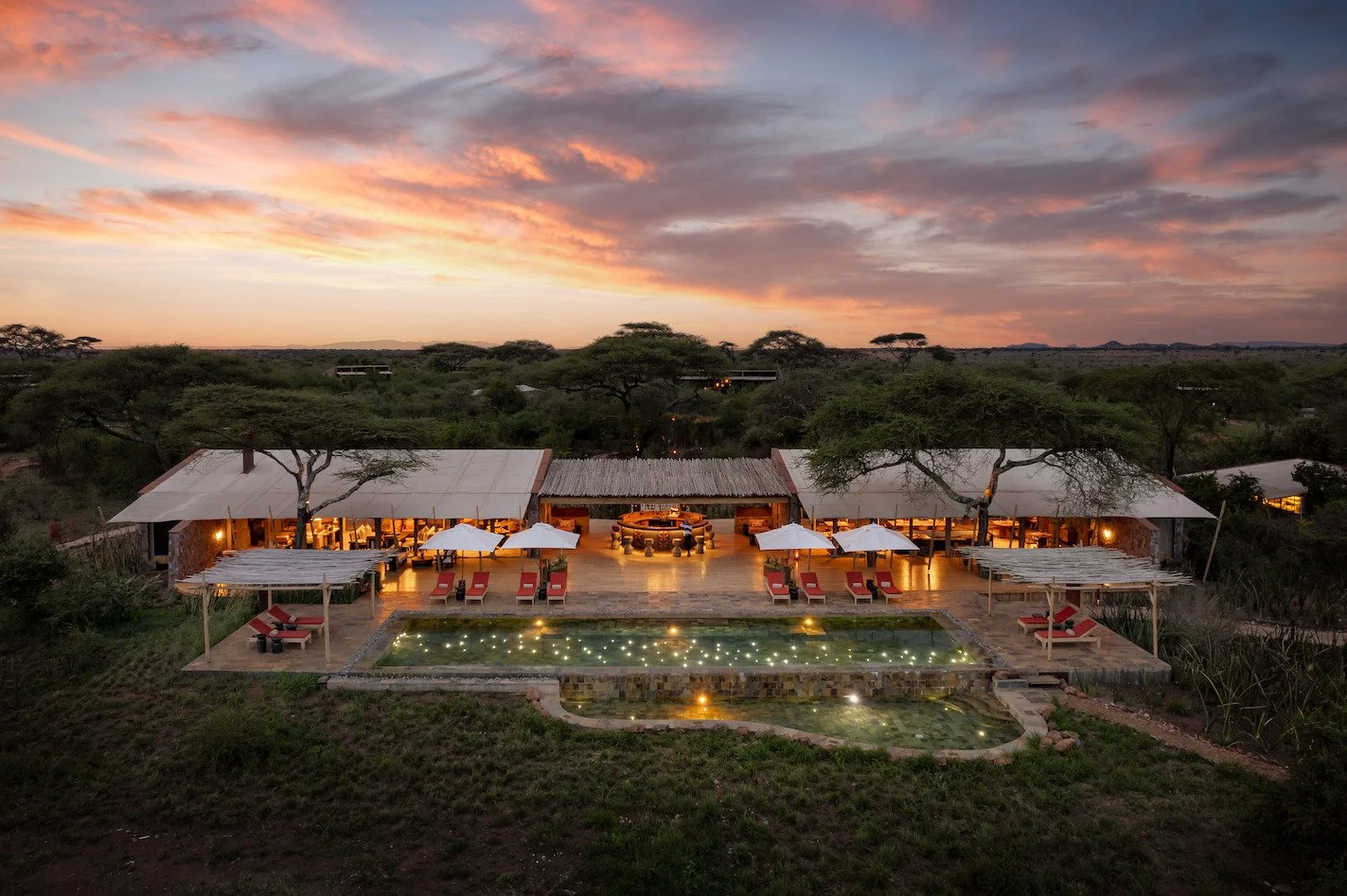
Mapito extends the celestial theme beyond accommodation. The rim-flow pool uses embedded floor lights to mirror the night sky above, creating the sensation of swimming through stars. Night safaris run on designated routes using softened lighting to minimize wildlife disturbance—a measured approach to what can otherwise become intrusive tourism.
Standard safari experiences remain: sunrise hot-air balloon rides, game drives tracking lions, elephants, leopards, and buffalo. But the camp adds culturally focused visits to nearby Robanda Village, where Ikoma artisans lead workshops in traditional painting, beadwork, cooking, and drumming.
The food program at Njia Restaurant sources from an on-site vegetable garden, blending Tanzanian ingredients with global technique. As dusk settles, The Boma—a traditional circular gathering space—becomes the social hub, leaning into Ikoma customs and storytelling rather than generic safari entertainment.
Measured Impact
Environmental positioning matters in modern safari tourism, and Mapito backs its claims with specific initiatives. Guides follow strict ethical viewing standards—appropriate distances, designated routes, controlled nighttime lighting. The camp is restoring Robanda Healthcare Centre and employs a full-time doctor providing free consultations and medicines to a community that previously lacked accessible healthcare.
Getting There
Access is straightforward: Fort Ikoma Airstrip sits one hour and 15 minutes by flight from Kilimanjaro International Airport. The property participates in Marriott Bonvoy, allowing points accumulation for those navigating the safari-lodge premium pricing tier.
Mapito Safari Camp represents a shift in how safari hospitality can function—rooted in specific place and craft tradition rather than imported luxury tropes, while delivering the experiential innovation (retractable roofs, stargazing infrastructure) that justifies premium positioning. Whether the model proves replicable across East Africa remains to be seen, but it's a compelling departure from established patterns.