
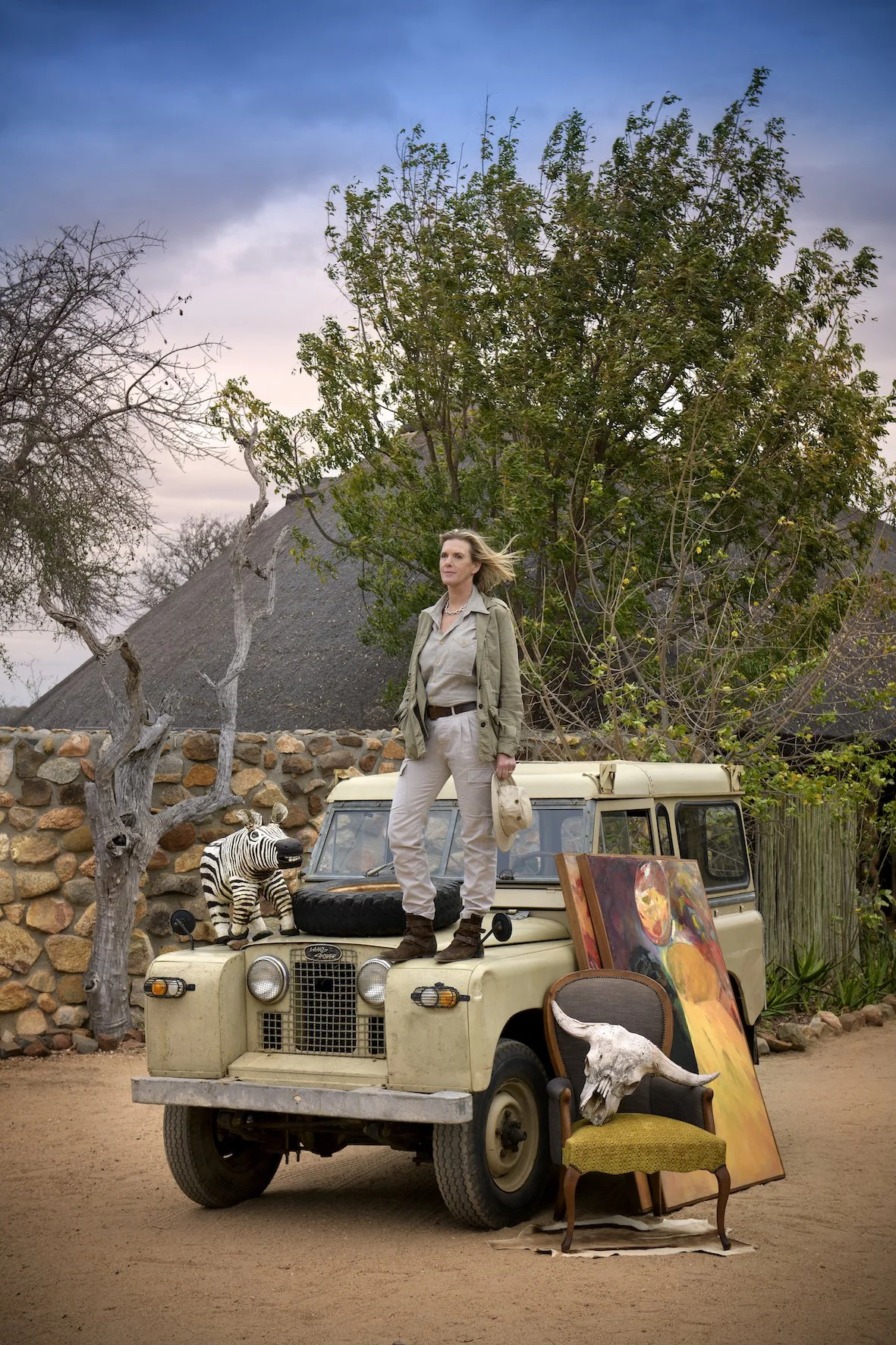
Motswari Private Game Reserve: Half a Century of Conservation
Fifty years in the bush changes things. Trees mature, landscapes shift, wildlife populations ebb and flow. But at Motswari Private Game Reserve, what's remained constant is the Geiger family's commitment to conservation—a commitment that predates much of the modern safari industry itself.
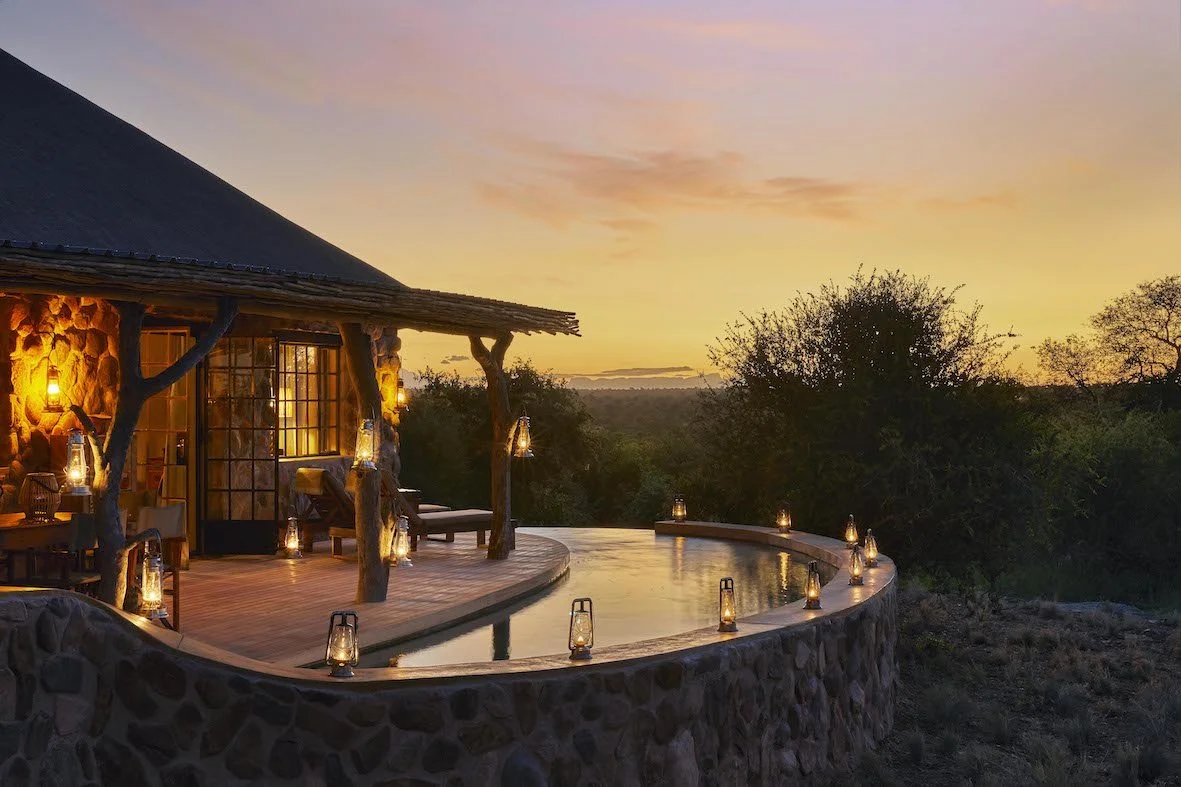
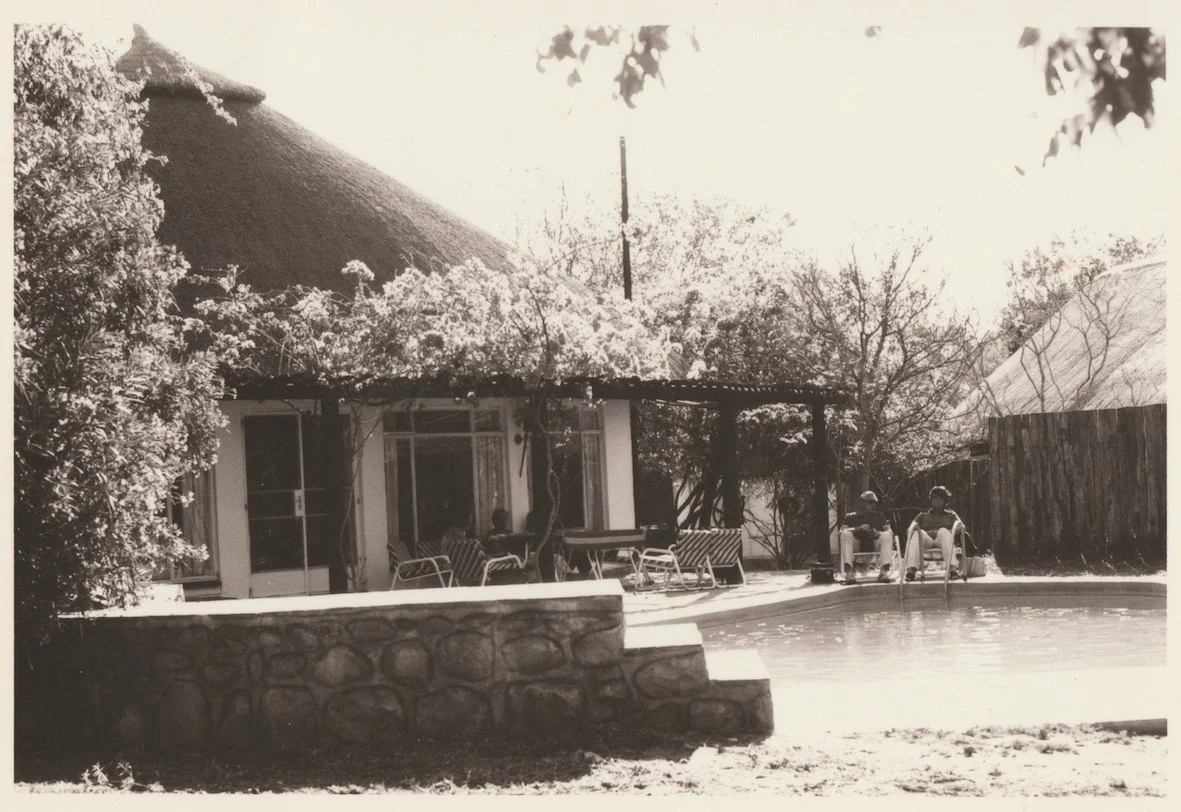
In 2026, Motswari marks half a century of family-owned stewardship, a milestone that puts it among the longest-standing private reserves in the greater Kruger ecosystem. Founded in 1976, when the concept of private game reserves was still in its infancy, Motswari has witnessed—and actively shaped—the evolution of conservation in South Africa's most iconic wilderness area.
Three Generations, One Vision
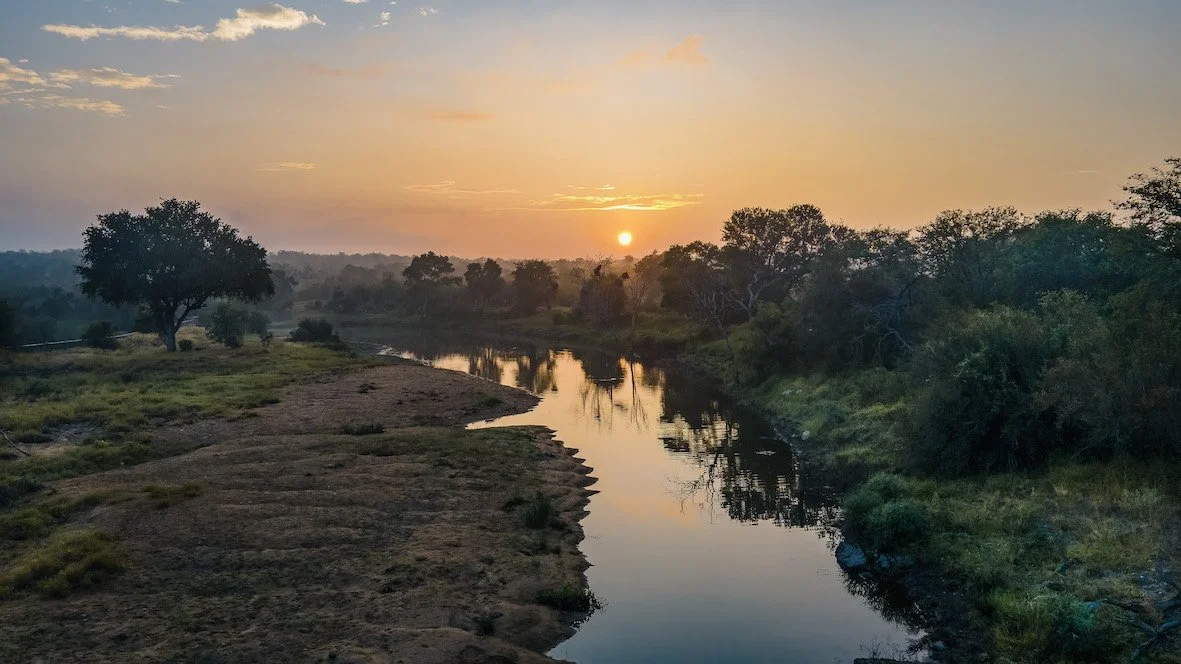
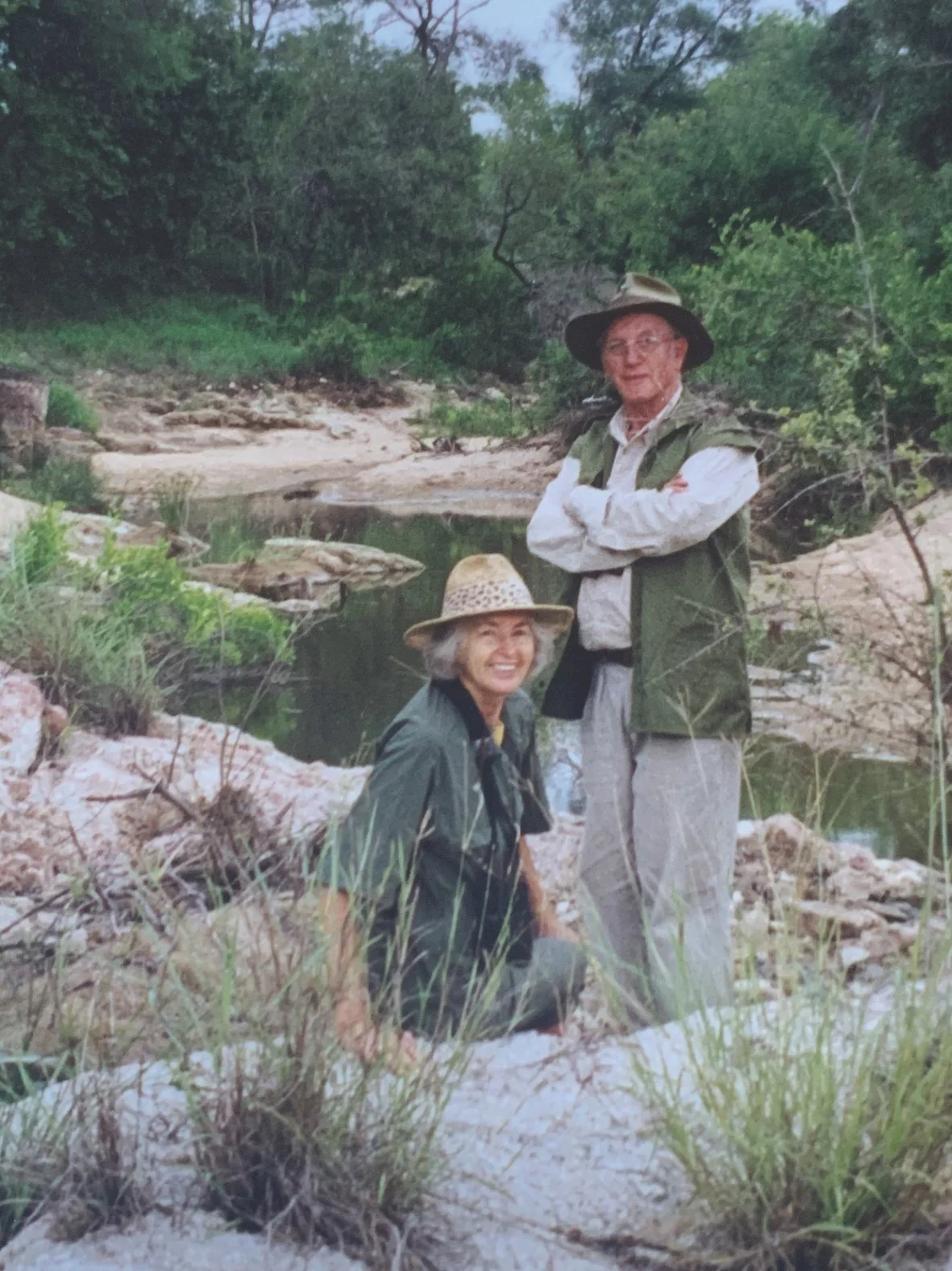
The Geiger family's involvement spans three generations now, each building on the work of the last. What started as a single reserve has grown into an operation deeply integrated with landscape-level conservation efforts across the Timbavati Private Nature Reserve, where Motswari sits within the greater Kruger mosaic.
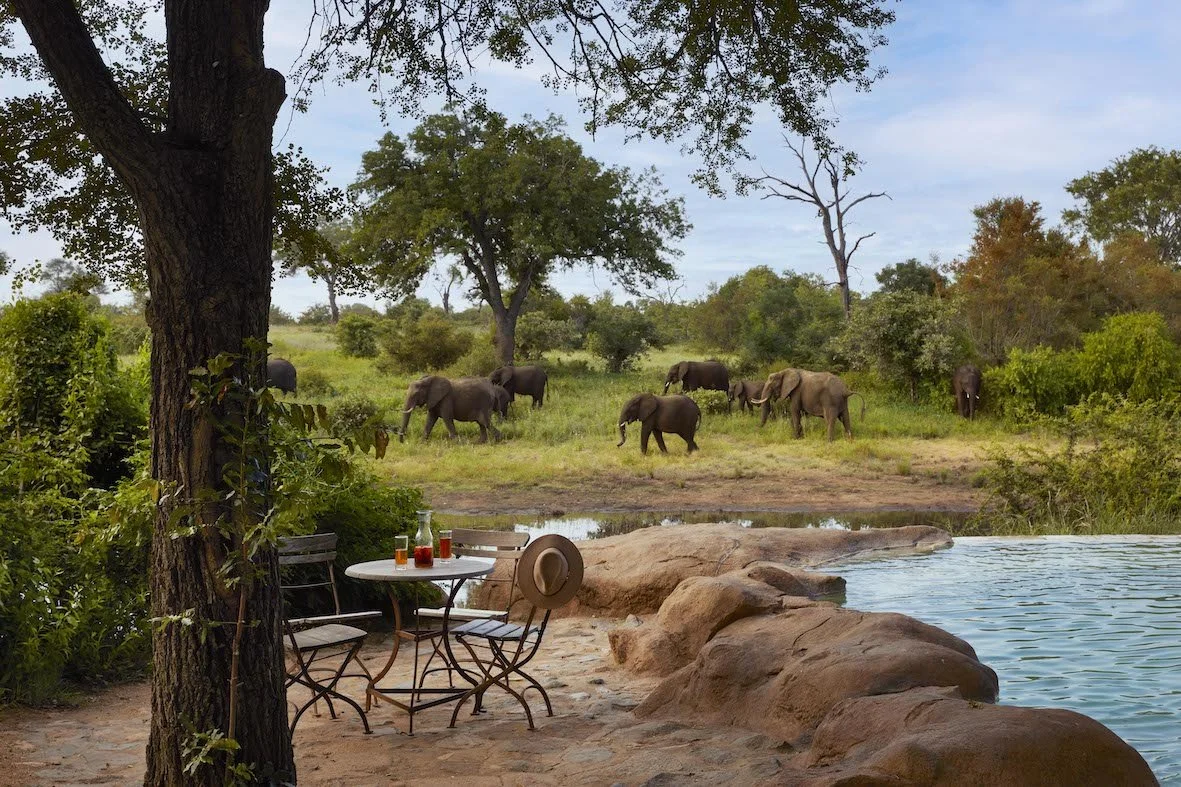
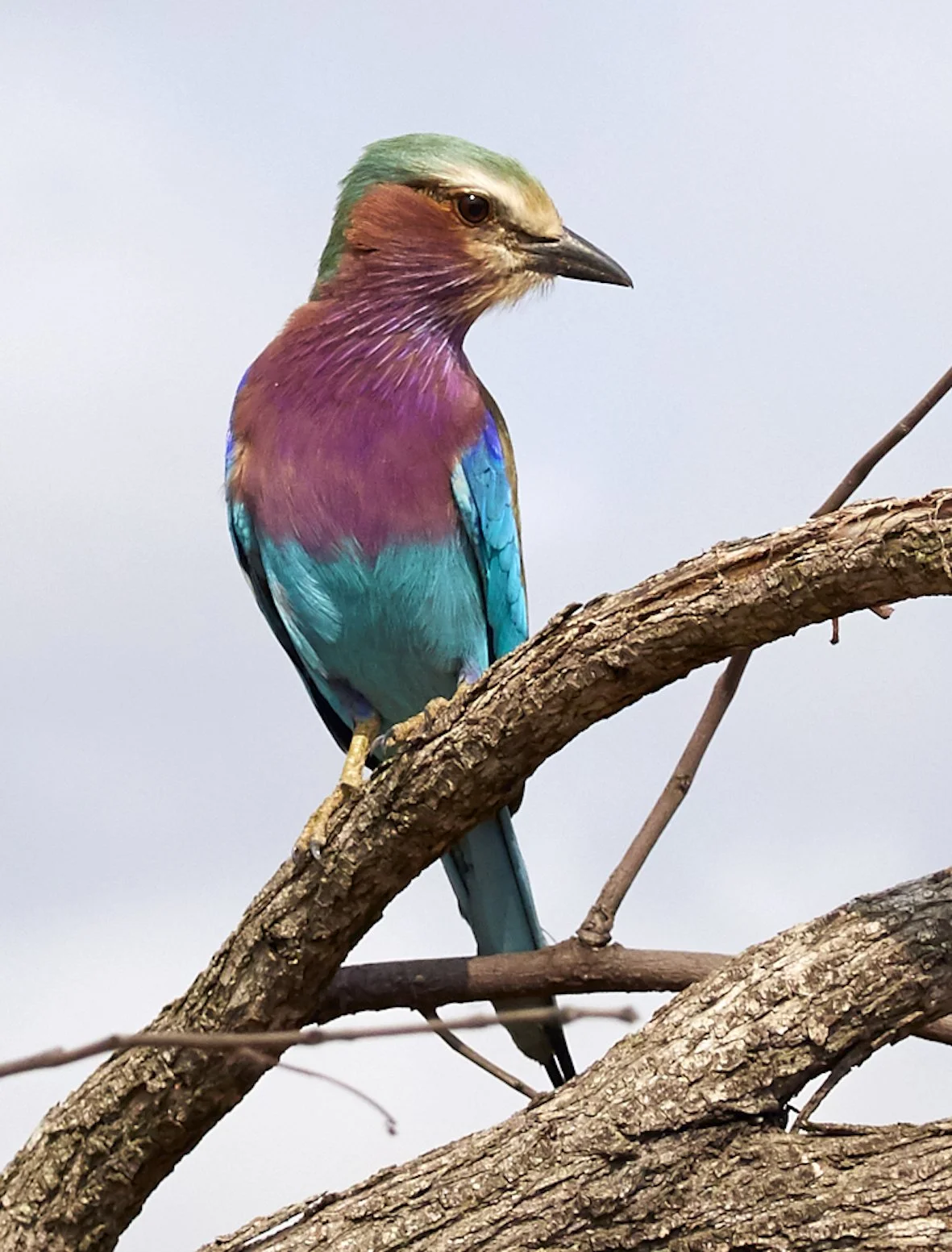
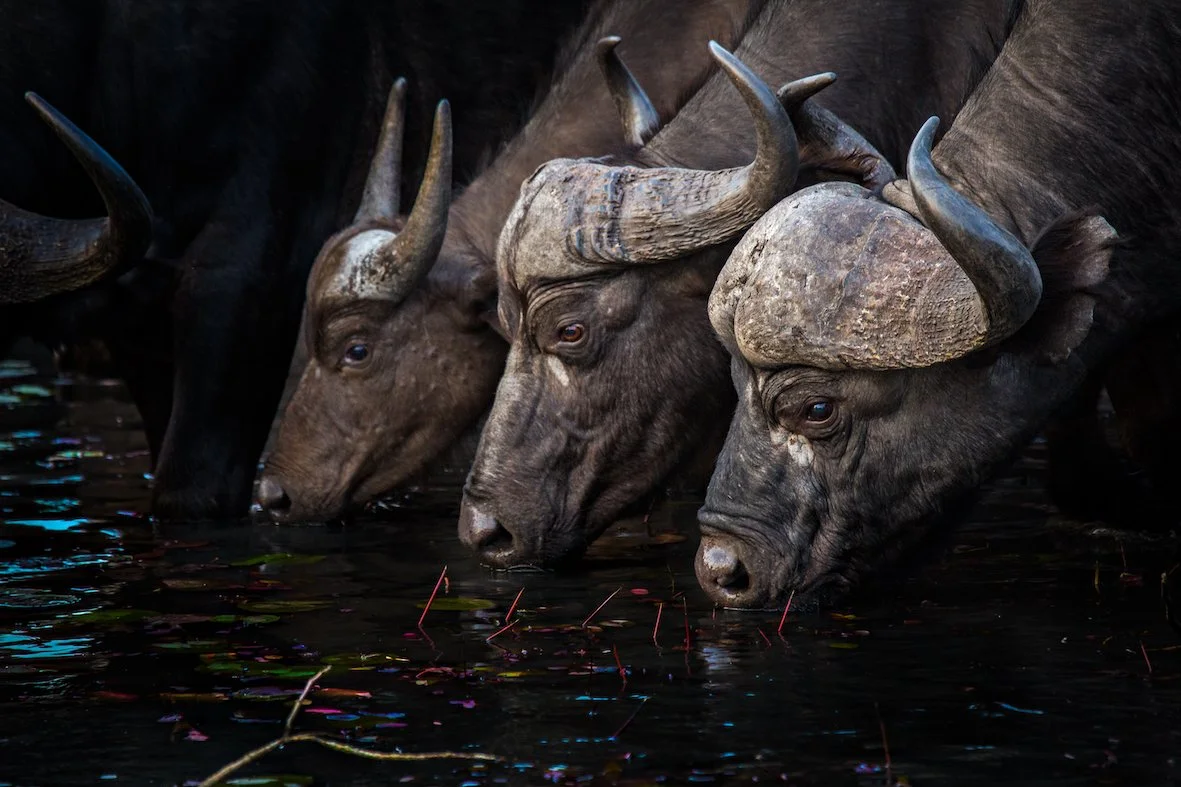
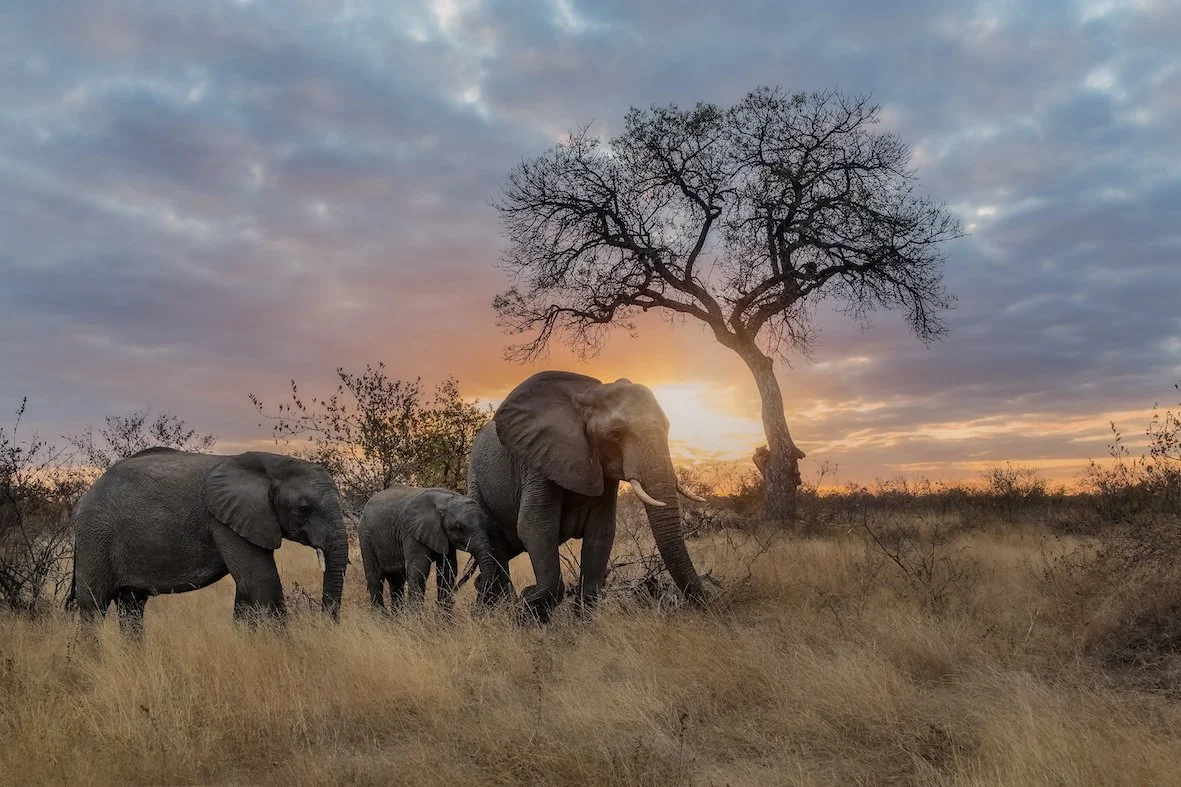
The family's early work included significant rehabilitation projects, restoring land that had seen previous uses back to functioning bushveld. This wasn't glamorous work—it meant removing structures, managing vegetation, and reintroducing wildlife populations that had been diminished or displaced. But it laid the groundwork for what Motswari would become: a thriving ecosystem where the Big Five roam freely and biodiversity flourishes.

The White Lion Connection
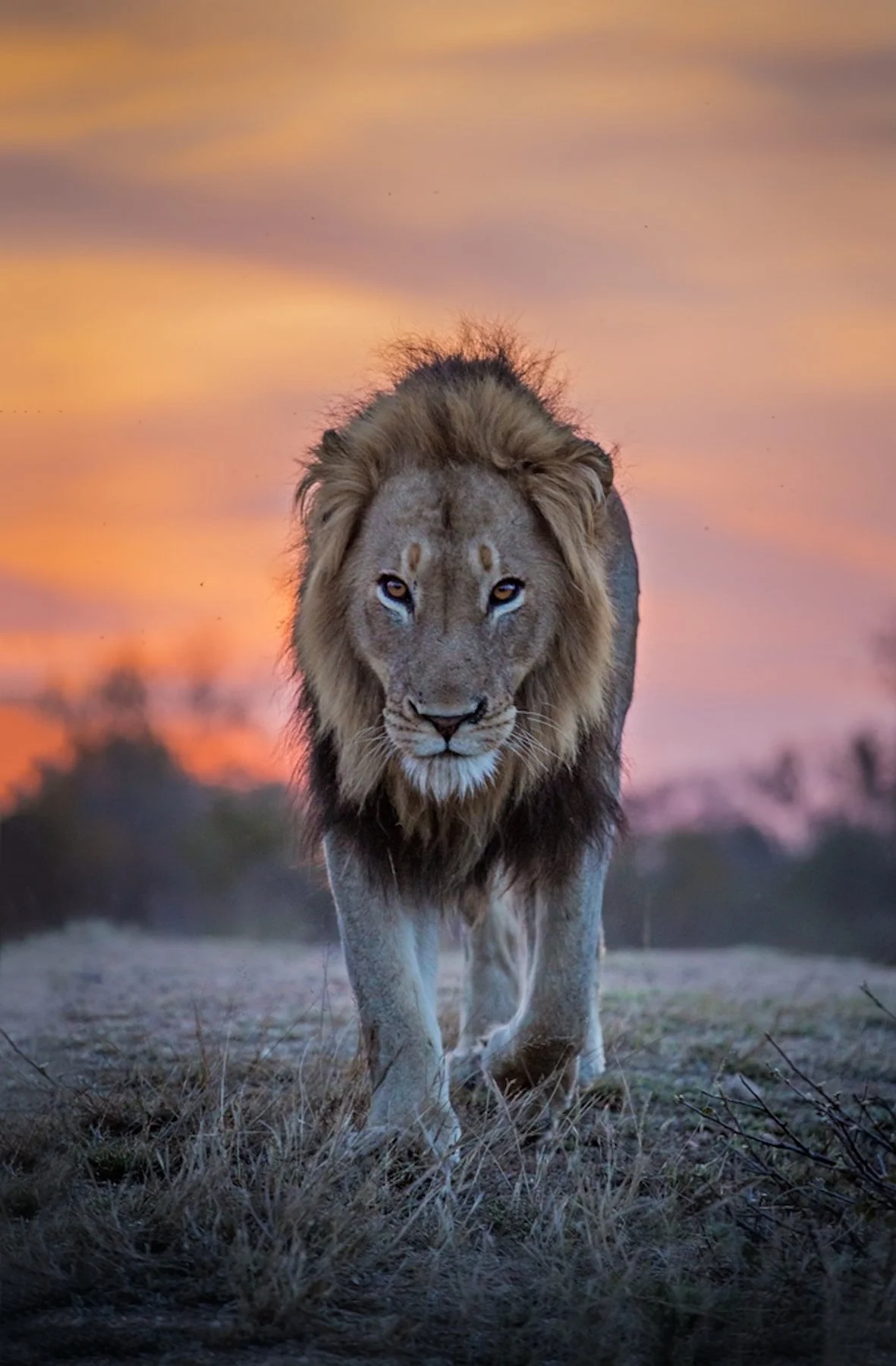
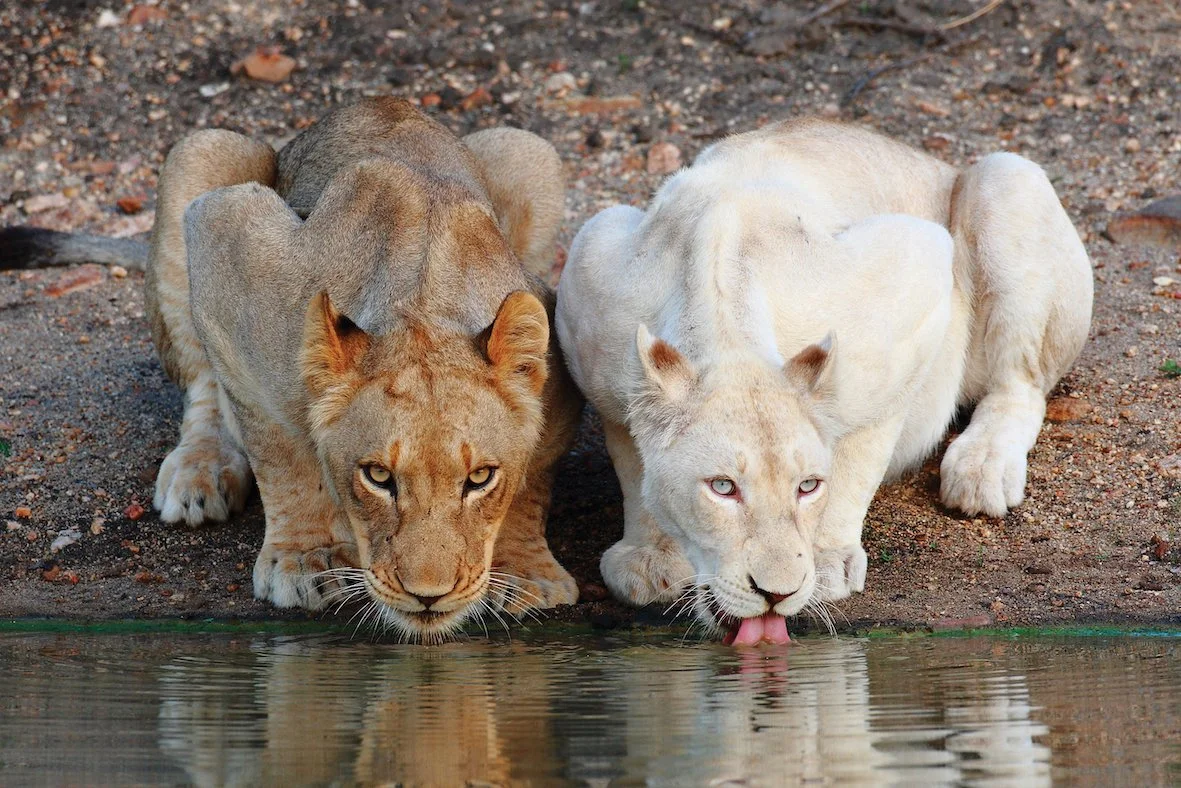
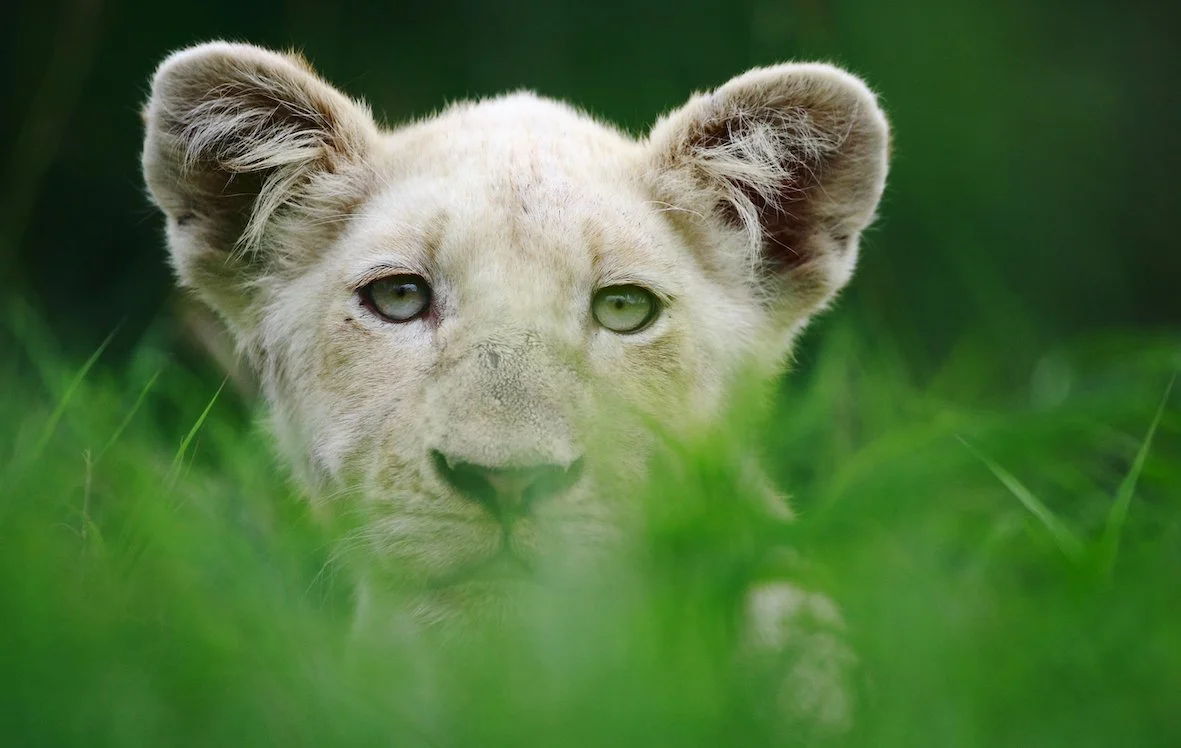
Motswari's location in the Timbavati carries particular significance. This is white lion country—one of the few places on Earth where these rare genetic variants occur naturally in wild populations. Unlike captive-bred white lions, the animals here are part of functioning prides, hunting and surviving alongside their tawny relatives.
The Timbavati's white lions have been documented since the 1970s, around the same time Motswari was established. Their continued presence speaks to the health of the broader ecosystem and the effectiveness of conservation efforts across the unfenced reserve system.
Conservation Beyond Boundaries
The reserve's commitment extends beyond game viewing. Motswari operates according to Fair Trade principles, recognizing that conservation can't exist in isolation from the communities surrounding protected areas. This means investment in local employment, skills development, and economic opportunities that create tangible benefits for neighboring populations.
Staff continuity is another hallmark. Many team members have worked at Motswari for decades, developing deep knowledge of the land, the wildlife, and the subtleties of the bush that only come with time. This institutional memory is invaluable—rangers who can recognize individual animals, recall behavior patterns, and read landscape changes over years rather than seasons.
Safari Without the Spin
What you won't find at Motswari is the breathless overselling that's crept into parts of the safari industry. The reserve's approach is straightforward: this is the bush, these are the animals, and sometimes you see extraordinary things while other times you don't. That's wildlife.
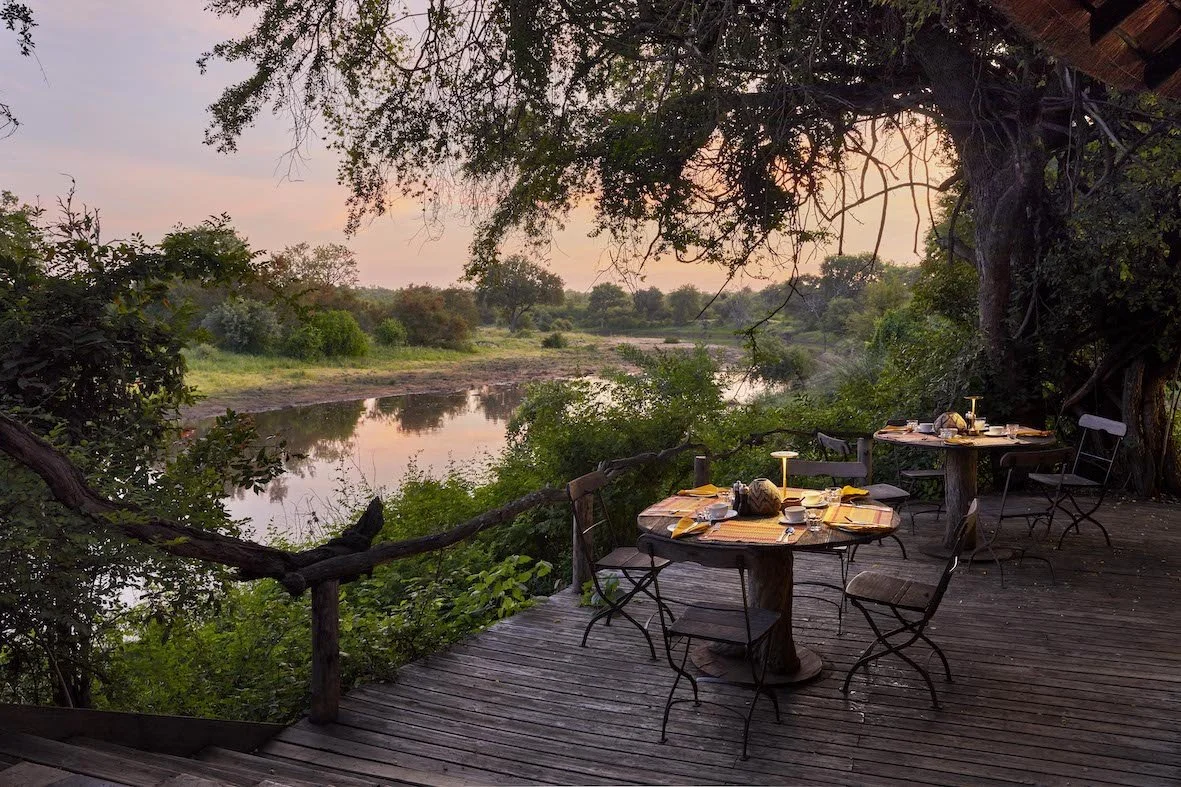
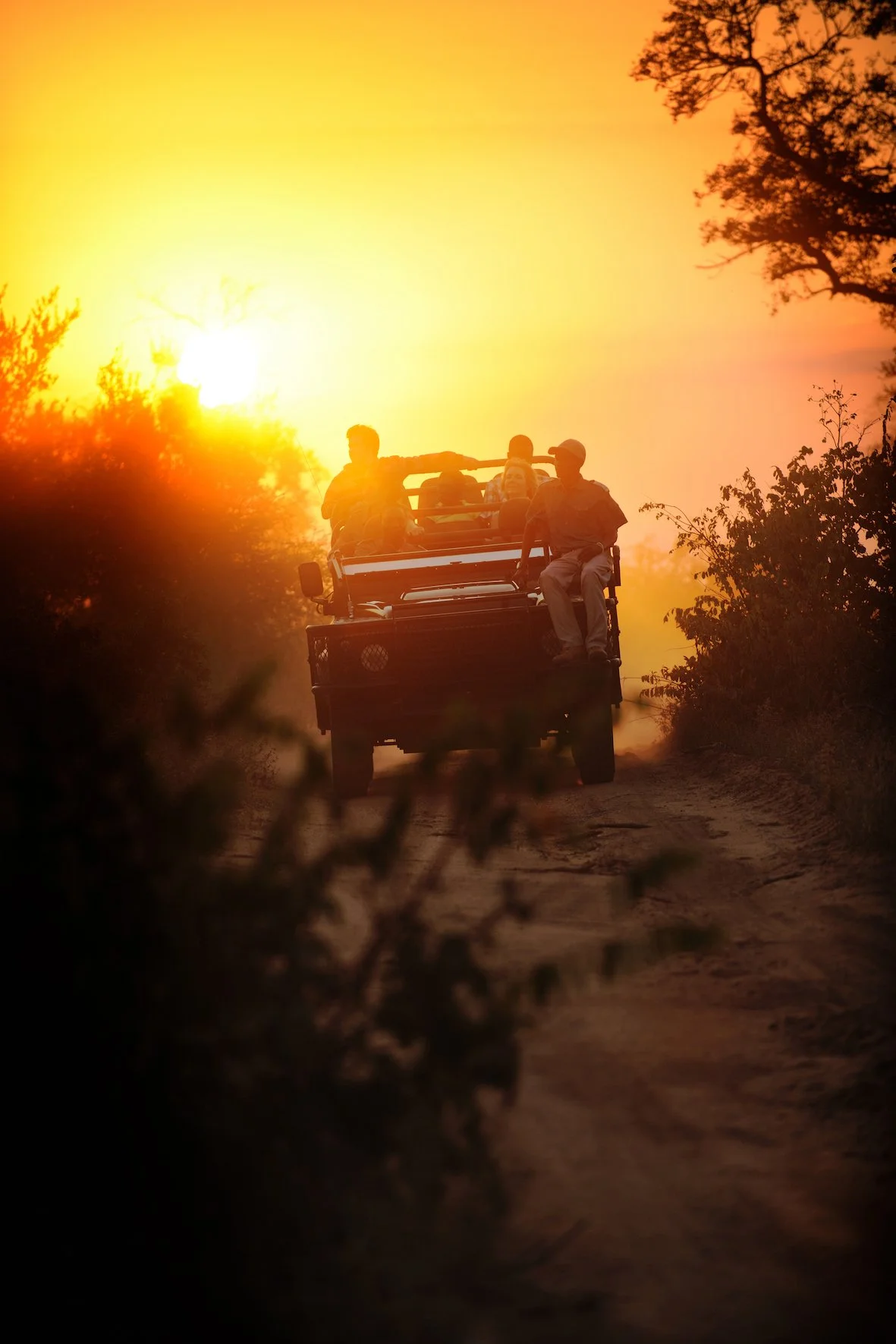
Game drives follow the rhythms of the natural world rather than manufactured schedules designed to maximize sightings. The focus is on genuine encounters and understanding ecosystems, not ticking off bucket-list species. Rangers share knowledge accumulated over careers spent in the field, offering insights into animal behavior, ecology, and conservation challenges that go well beyond "look, there's a lion."
The Bigger Picture
Motswari's five decades connect to broader conservation narratives. The reserve's history parallels the development of South Africa's private game reserve model, which has proven remarkably successful at protecting wildlife while generating economic returns. The removal of fences between private reserves and Kruger National Park—allowing animals to move across vast territories—represents a conservation achievement that Motswari helped pioneer.
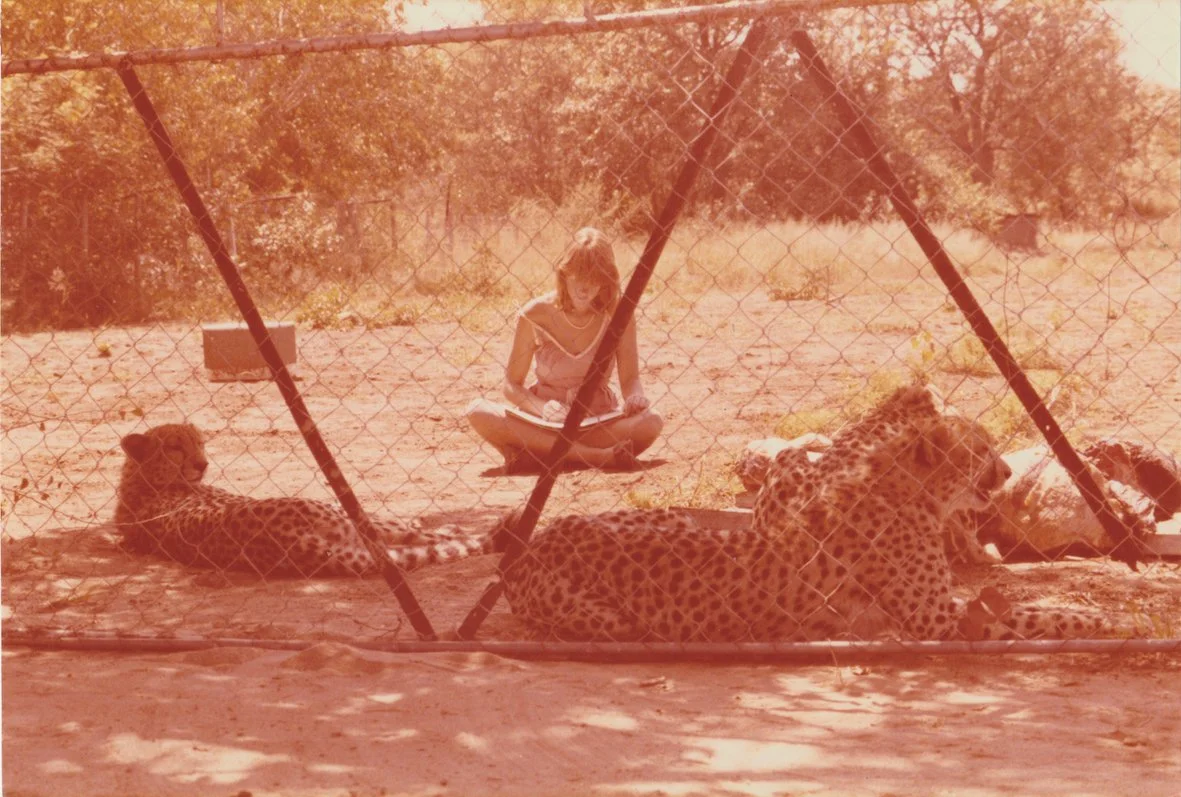
The landscape-level approach matters enormously for species like wild dogs and cheetahs, which need large territories, and for maintaining genetic diversity across wildlife populations. Motswari's participation in these corridor systems makes its conservation value far greater than its physical boundaries suggest.
What Fifty Years Means
Reaching a 50-year milestone in conservation is significant because it spans multiple wildlife generations. It means seeing the results of long-term management decisions, understanding how ecosystems respond to different pressures, and adapting strategies based on decades of accumulated data rather than short-term trends.
For visitors, it means staying at a reserve where the knowledge runs deep, where the staff can tell you not just what they saw yesterday but what's changed over the past ten years. Where conservation isn't a marketing angle but a daily practice embedded in operations.
As Motswari enters its sixth decade under Geiger family stewardship, the fundamentals remain unchanged: protect the land, support the communities, and offer people genuine experiences with African wildlife. The approach isn't flashy, but it's proven effective.
And in conservation, fifty years of effective beats a century of flashy every time.

