
Reading the Design of an Interactive Museum Before You Book
An interactive museum asks visitors to do something, but that action can take many forms. You might test an idea, follow an audio story, change a visual installation, or move through a reconstructed setting. A guide to interactive museums in Chicago from the Medieval Torture Museum offers one starting point for comparing formats. The useful next step is to look beyond the label and identify how each space expects you to participate.
For readers interested in design, the visit begins with those clues. Photographs, descriptions, and access information can reveal whether an experience matches your curiosity, your preferred pace, and the people joining you.
Look for the action behind the adjective
Interactive is a broad description. It does not tell you whether a visitor handles an object, presses a control, listens, performs, or simply moves into a scene. Search for concrete verbs in the attraction's explanation of the experience.
Ask what changes because you are there. In a hands-on activity, your action may produce an observable result. In an immersive installation, your position may change what you see or hear. In an audio-led historical display, participation may involve choosing which story to follow and how closely to examine the setting.
None of these formats is automatically superior. They ask for different kinds of attention. A person who enjoys experiments may find a carefully staged narrative less engaging, while someone interested in visual storytelling may prefer precisely that format.
Read the visual sequence in the preview
Promotional images usually show an attraction at its most striking. Look for the sequence around those images. Is there an introduction before the main environment? Are labels visible? Do photographs suggest a clear route, several independent stations, or a space people explore freely?
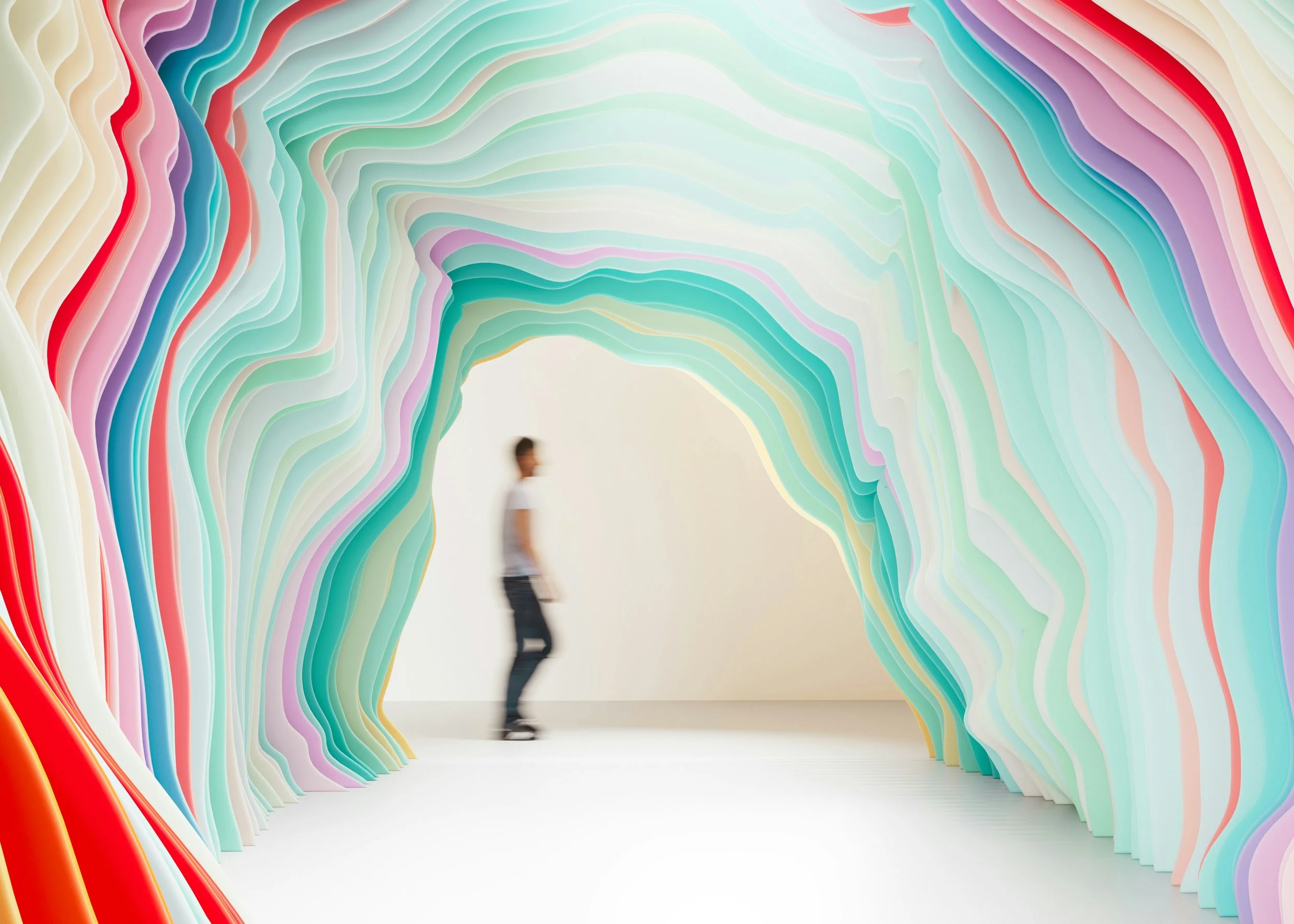
You cannot infer the entire layout from a few pictures, but you can identify questions. If every image shows a close-up, look for practical information about circulation and the overall visit. If the photographs emphasize a large spectacle, ask how much interpretation accompanies it.
Scale matters too. A small object with a detailed label invites a different pace from a room-sized environment. Think about whether you want sustained reading, physical movement, or a mixture. That preference can be more useful than choosing purely by the number of displays advertised.
Distinguish the role of sound
Sound can provide information, establish atmosphere, or direct movement. These functions may overlap, but they affect the visitor differently. An audio guide offers a narrative to follow; a soundscape may work even when you are not consciously listening to it.
Before booking, check whether audio is optional, how it is accessed, and what languages or alternatives are available. Do not assume every attraction uses the same equipment or that all content has a written equivalent. Ask directly when that detail will determine whether the visit works for you.
Companions may also want different levels of listening. A useful plan allows someone to concentrate on narration without requiring the entire group to remain silent or move at exactly the same speed.
Compare formats by what the visitor needs to do
Use the following table to turn a broad description into a practical choice. These are general formats to look for, not a list of features guaranteed at every museum.
Question to ask- does it offer:
Hands-on demonstration
Change a setting or test a result
Is the action explained and accessible
Immersive visual environment
Move through a designed space
Can you control your pace
Audio-led interpretation
Listen while looking at displays
How is the audio delivered
Participatory installation
Contribute to or alter the work
Is participation optional
Reconstructed historical setting
Examine a representation of the past
How are evidence and reconstruction identified
The best match is the format you want to spend time with. A museum does not need to contain every kind of interaction to provide a worthwhile visit.
Notice how design supports interpretation
A convincing setting can make a subject feel immediate. That is a design achievement, but it is separate from the evidence supporting the historical account. Look for the information that explains what an object represents, where the account comes from, and what remains uncertain.
The distinction is particularly useful when considering the Medieval Torture Museum. Its theme invites an emotional response to historical punishment. Visitors can still ask ordinary interpretive questions: what is reconstructed, what period is being described, and how does the display explain its context?
Avoid treating realism as a certificate of accuracy. A detailed reproduction may clarify a process, while an original object may need extensive explanation. The relationship between the object, the label, and the visitor's understanding is what matters.
A short question can help: “What does this display allow me to understand that a photograph alone would not?” The answer may involve scale, movement, sound, or the relationship between objects in the space.
Read access information as part of the design
The practical conditions of participation belong in the comparison. A compelling installation may ask visitors to stand, reach, listen closely, or navigate an unfamiliar environment. Those demands should fit the people attending.
Use specific questions rather than a single broad inquiry about accessibility:
Can the relevant activity be experienced from a seated position?
Is there an alternative to audio-only information?
Can a visitor skip an intense section without losing the route?
Are there restrictions on bags or equipment needed for the visit?
The answers need to come from the venue. Photographs and third-party descriptions cannot establish the exact conditions for an individual visitor. Asking in advance also gives staff a clearer opportunity to explain what is available.
Separate the visit from the photograph you hope to take
A striking image can be a useful introduction to a museum, but it should not be the only reason for choosing it. Consider whether you would still enjoy the subject without posting a photograph afterward. If the answer is yes, the visit has a stronger foundation.
When photography is permitted, observe the space before taking out the camera. Read any instructions and notice how other people move through the installation. Avoid blocking an interactive station while arranging a shot that others cannot easily pass.
Ask companions before including them, especially in displays involving difficult subject matter. A person's willingness to explore a scene does not automatically extend to having that moment published. Respectful photography usually produces a less hurried visit as well.
Bring a small set of questions into the gallery
You do not need a design vocabulary to look attentively. A few practical prompts can make the experience more memorable:
What first draws attention when you enter the space?
What action does the display invite, and is that invitation clear?
Does sound add information or mainly create atmosphere?
Where does the explanation help you interpret what you see?
What changes when you move, pause, or look from another position?
Use the questions selectively. Turning every room into an assignment would defeat the pleasure of exploring. One well-observed display may give you more to discuss than a hurried assessment of the whole venue.
Questions to resolve before booking
Does interactive always mean suitable for children
No. The term describes a mode of participation, not an age category. Read the subject description and current visitor guidance separately, especially for museums dealing with violence or other intense themes.
Is immersive the same as hands-on
No. A space can surround you with images or sound without inviting you to touch anything. Follow the specific instructions rather than interpreting an advertising term as permission.
What should decide the final choice
Choose the combination of subject, participation, and practical conditions that fits your visit. Good planning makes room for curiosity. Once you know how the experience works, you can spend less time resolving surprises at the entrance and more time noticing what the design makes possible.
![Freak [ONE Guilloché]: The Watch With No Dial Finally Gets a Decorated One](https://images.squarespace-cdn.com/content/v1/5d2346cbe7875300014eeb79/1790241819225-PIMWEYIFZAENKSFGI4FO/2403-500LE+Duo+HD.jpg)