
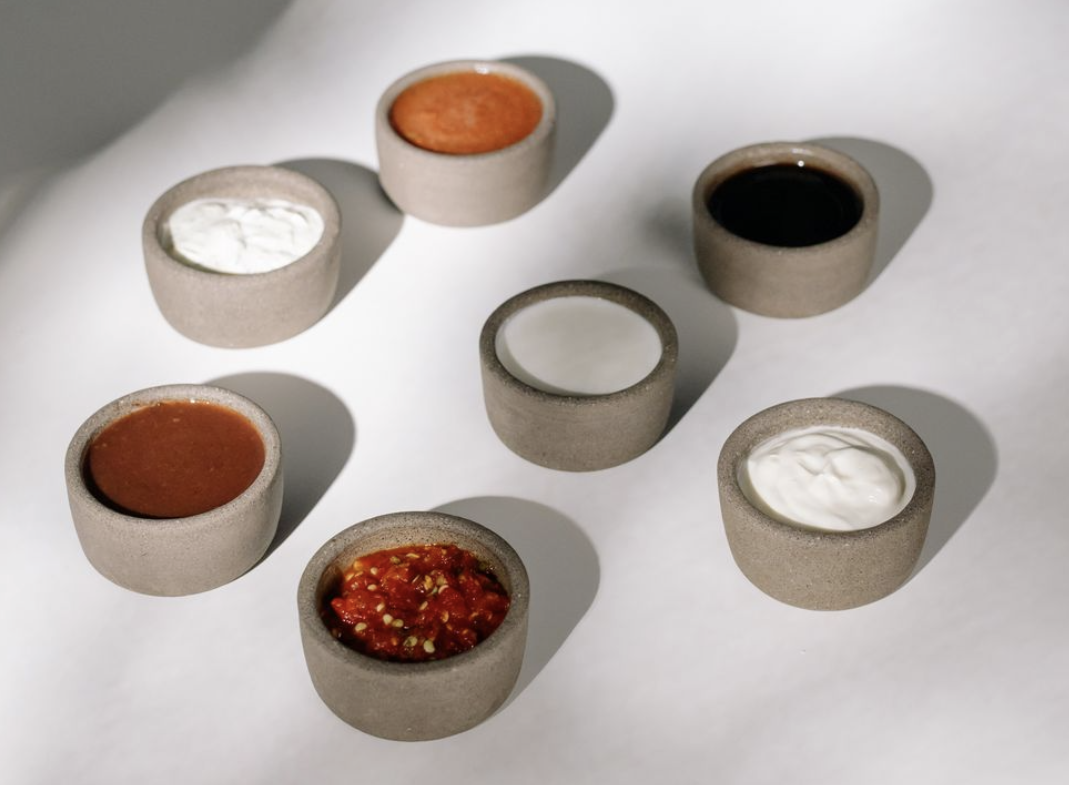
The Chefs Guide to Re-Engineering High-Calorie Sauces
Great chefs know that sauces make the meal. They add juiciness, richness, and depth to everyday ingredients. Many classic recipes rely on heavy cream and butter to achieve that perfect texture. These components can quickly elevate the calorie count of a dish.
Re-engineering these recipes allows you to maintain great taste without the extra heavy ingredients.
It requires a solid understanding of kitchen science and smart substitutions. Developing these skills empowers you to enjoy your favorite comfort foods in a much healthier way.
Balancing Your Health Investment
Managing a personal wellness journey often involves looking at both nutrition and financial commitments. Many people track their medical expenses using the WeightWatchers — Cost estimator or a similar tool to stay within budget. This careful planning mirrors how a chef manages resources in a busy kitchen.
Evaluating the true impact of daily habits helps maintain long-term success. Culinary modifications provide an excellent way to balance your lifestyle choices without feeling restricted. Smart adjustments mean you never have to sacrifice the pleasure of a great dining experience.
Tracking metrics provides clear data for making informed decisions. Knowing your numbers simplifies the path toward your health goals.
Swapping Heavy Dairy for Plant-Based
Traditional cream sauces often rely on heavy bases that can be easily replaced. An informational guide from a Midwestern university extension program suggests swapping out mayonnaise for plain regular yogurt or puréed cottage cheese.
This simple switch lowers the fat content dramatically. The texture remains thick and velvety, making it perfect for cold dressings or dips.
Baking and warm sauce preparation can benefit from similar creative updates. A southern university blog notes that substituting applesauce for oil helps reduce total fat in various recipes.
This technique works surprisingly well in savory glazes that need a hint of natural sweetness. Chefs can experiment with fruit purées to create lighter versions of classic pan sauces.
Utilizing Contemporary Thickening Techniques
Modern kitchens frequently move away from heavy flour and butter mixtures to achieve thickness. An article from a neat university calendar recommends opting for low-fat cream, nonfat cheese, or tomato bases to decrease saturated fat.
These options provide a robust body without coating the palate heavily. Salsa can serve as an excellent flavorful base for modern toppings.
Changing consumer preferences dictate new approaches to traditional menu items. A publication by a leading culinary institute suggests serving a contemporary chutney or relish instead of a standard cream sauce. These textured alternatives offer bright flavors that complement roasted meats perfectly.
Salsa and fruit glazes add immediate texture to any plate. They provide a lighter mouthfeel that appeals to health-conscious diners. Chefs can easily customize these elements to match different cuisines.
Applying Simple Slurries for Smooth Texture
Creating a smooth consistency does not require hours of simmering with butter. A government resource focused on community nutrition explains that a slurry consists of cornstarch and cold water mixed together.
This mixture activates quickly when stirred into hot liquids, creating an instant glaze. It provides a glossy finish that looks beautiful on the plate.
Chefs rely on specific steps to guarantee the slurry integrates perfectly without clumping.
Whisk equal parts starch and cold liquid until completely smooth.
Pour the mixture slowly into a simmering liquid, stirring constantly.
Cook for 1 minute to remove any raw starch flavor.
This method works efficiently for quick pan sauces and gravies. It saves time during peak dinner service and keeps calorie counts low. Home cooks can adopt this trick for everyday meals.
Managing Sodium Levels for Flavor Stability
Lowering calories should not mean stripping away the functional components of a recipe. A recent federal document discusses how sodium affects taste, texture, microbial safety, and stability in food labeling standards.
When you reduce fat, managing salt becomes even more critical to maintaining satisfaction. The right balance preserves the structural integrity of the liquid.
Chefs often use high-quality sea salt or citrus juice to elevate flavors without overdoing it. A small amount of salt can make up for the mouthfeel lost when dairy is removed. Careful seasoning guarantees that the finished product tastes premium and stays stable.
Acids like lemon juice can amplify the perception of saltiness. This trick allows you to reduce total sodium and keep flavors sharp. Balancing these elements requires careful tasting throughout the cooking process.
Building Depth with Roasted Aromatics
Relying on fat for flavor is an easy way out that kitchen staff can easily avoid. Roasting garlic, onions, and shallots creates deep caramelization that naturally thickens sauces. These caramelized elements blend smoothly into vegetable broths to mimic the richness of cream.
Herb infusions offer another excellent path toward deep flavor profiles. Simmering rosemary, thyme, or bay leaves directly in the sauce base releases natural oils.
Toasted spices can transform a basic liquid into something spectacular. Gently warming cumin or coriander seeds before grinding releases hidden aromatics.
Re-engineering classic sauces is an art form that elevates modern cooking. By understanding the science of substitutions, you can create delicious meals that support long-term wellness. Small changes in the kitchen lead to significant differences.
You can enjoy rich textures and bold flavors, keeping your nutritional goals on track. Embracing these techniques opens up a whole new world of culinary possibilities. You gain complete control over your ingredients without losing the joy of eating well.