The Design Details That Make a Home Feel More Luxurious Without Major Renovations
Creating a luxurious home does not necessarily require expensive renovations, structural changes, or designer furniture. Often, the difference between an ordinary interior and a sophisticated living space comes down to carefully selected details that improve comfort, functionality, and visual appeal.
Many homeowners assume that achieving an elegant atmosphere involves replacing entire kitchens, installing new flooring, or investing in costly decorative features. However, smaller improvements can deliver impressive results when they are planned thoughtfully.
Lighting, textures, storage solutions, and decorative accessories all influence how a room feels. Even everyday objects can affect the overall impression of a space, particularly when they are organised and displayed with intention.
By focusing on practical design choices rather than major construction projects, homeowners can create interiors that feel refined, welcoming, and distinctly personal without exceeding their budgets.
Creating a More Refined Space Through Better Organisation
One of the simplest ways to make a home feel more luxurious is to eliminate unnecessary visual clutter. Even beautifully furnished rooms can appear disorganised when everyday items accumulate on shelves, tables, and work surfaces.
Creating dedicated storage areas for documents, electronics, and household supplies helps maintain a cleaner appearance. Decorative baskets, built-in shelving, and matching storage containers can make organisation feel like part of the interior design.
Homeowners working from home should pay particular attention to office spaces, where unused equipment and supplies can quickly accumulate. Services such as www.selltoner.com provide an opportunity to recover value from eligible surplus toner cartridges, helping households clear storage areas while making better use of unused materials.
Concealing cables, organising paperwork, and keeping frequently used items within easy reach can also improve the appearance of a workspace.
A well-organised interior allows architectural features, furniture, and decorative details to stand out without competing with unnecessary objects.
Introducing Wellness Features That Improve Everyday Comfort
Luxury interiors increasingly focus on comfort and personal wellbeing rather than appearance alone. Creating spaces dedicated to relaxation can make a home feel more exclusive while improving everyday routines.
A comfortable reading corner, a thoughtfully arranged bathroom, or a quiet meditation area can provide a welcome escape from demanding schedules. Soft lighting, natural materials, and comfortable seating help establish a peaceful atmosphere.
For homeowners interested in creating a dedicated wellness space, exploring an indoor sauna for sale can introduce a distinctive relaxation feature without necessarily requiring a complete bathroom renovation.
Available space, ventilation, electrical requirements, and installation specifications should guide the decision. Choosing a suitable location allows the wellness feature to complement the home's existing layout.
Even when larger additions are not practical, smaller improvements such as plush towels, comfortable seating, and carefully chosen lighting can contribute to a more relaxing environment.
The goal is to create spaces that support comfort while maintaining a cohesive interior design.
Using Lighting to Make Rooms Feel More Expensive
Lighting has a remarkable influence on how people perceive interior spaces. A room with attractive furniture can still feel uninviting when lighting is too harsh, uneven, or poorly positioned.
Layered lighting provides a more sophisticated alternative to relying entirely on a single ceiling fixture. Combining overhead lights with table lamps, wall lights, and subtle accent lighting creates depth and flexibility.
Warm lighting often works particularly well in living rooms and bedrooms because it produces a comfortable, welcoming atmosphere.
Replacing outdated lampshades or installing dimmable lighting can transform a room without requiring substantial investment.
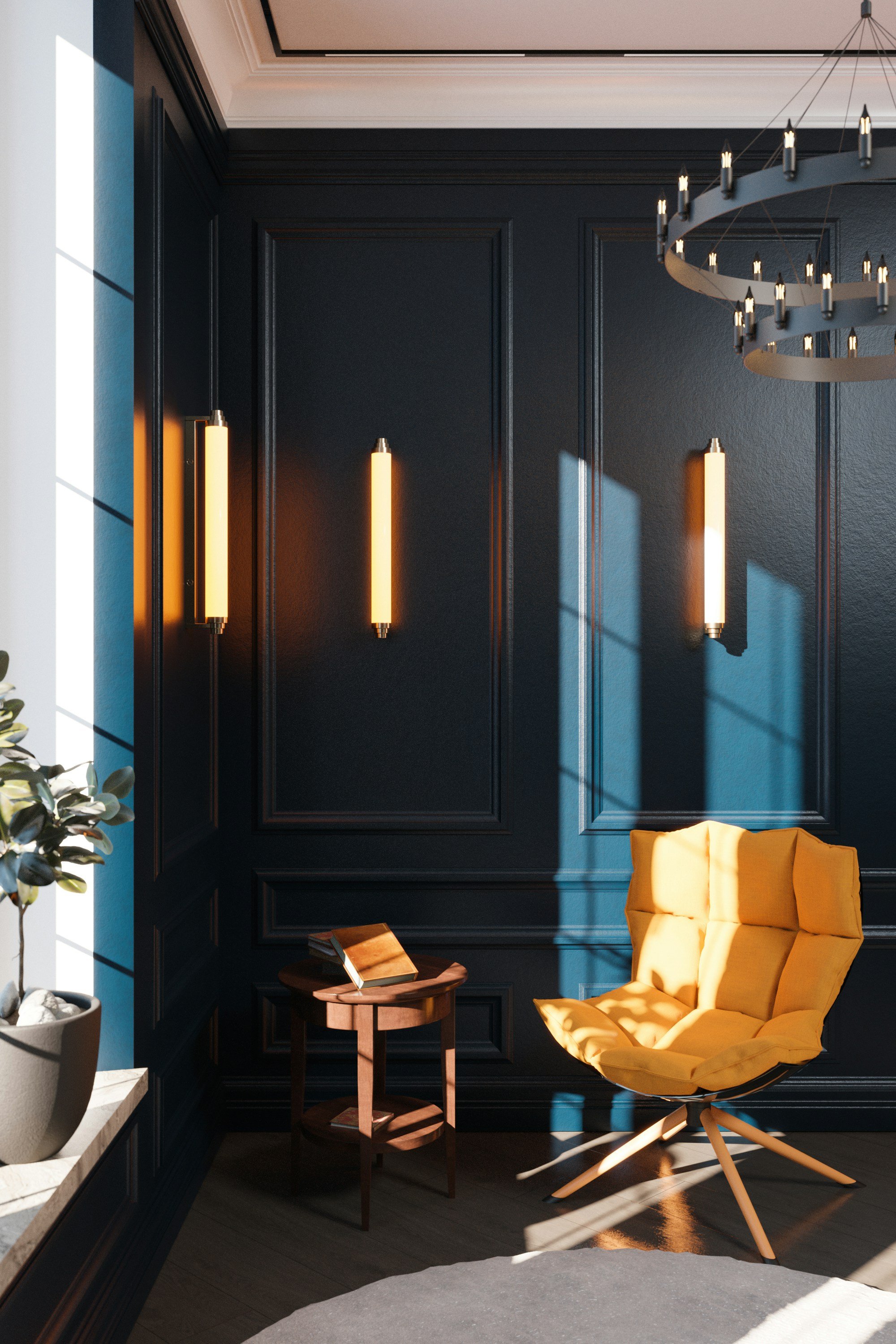
Homeowners can also use lighting to highlight architectural features, artwork, or decorative objects. A carefully positioned lamp beside a textured wall or statement chair can make an ordinary corner feel intentionally designed.
Selecting fixtures with consistent finishes, such as brushed brass or matte black, helps establish visual harmony throughout the home.
Choosing Textures That Add Depth and Sophistication
Luxury interiors rarely depend on colour alone. The combination of different textures helps create visual richness and makes rooms feel more carefully considered.
Materials such as linen, velvet, wool, leather, and natural wood introduce subtle contrasts that enhance the overall atmosphere.
For example, a neutral sofa can become more inviting when paired with textured cushions and a soft throw. Similarly, a bedroom may feel more luxurious with layered bedding, upholstered furniture, and substantial curtains.
The key is selecting complementary materials rather than introducing too many competing textures.
Natural materials are particularly effective because they add warmth and character without relying on elaborate decoration.
A wooden side table, ceramic vase, or woven rug can soften contemporary interiors that otherwise feature mostly smooth surfaces.
Repeating selected textures across a room creates continuity and makes the design feel intentional rather than assembled from unrelated purchases.
Making Small Changes to Furniture and Decorative Details
Replacing every piece of furniture is rarely necessary when refreshing an interior. Often, existing furnishings can be improved through relatively inexpensive adjustments.
Changing cabinet handles, updating furniture legs, or refinishing a wooden table can give familiar pieces a more contemporary appearance.
Decorative accessories also influence the perception of quality. Oversized artwork, carefully selected mirrors, and sculptural objects can create focal points without requiring expensive collections.
Mirrors are especially useful in smaller rooms because they reflect light and can make spaces appear more open.
However, restraint is essential. Filling every surface with decorative objects can reduce the elegant effect homeowners are trying to achieve.
Choosing a few distinctive accessories and allowing space around them often creates a stronger visual impression.
Consistent metal finishes, coordinated colours, and balanced proportions help individual pieces work together as part of a unified interior.
Improving Windows and Walls Without Major Construction
Windows and walls occupy substantial visual space, making them important elements in any interior design project.
Replacing basic curtains with full-length drapes can make ceilings appear taller and introduce a more polished atmosphere. Hanging curtain rods slightly above the window frame can further enhance this effect.
Choosing fabrics with an attractive drape and appropriate weight helps create a tailored appearance.
Walls can also be refreshed without extensive renovation. A carefully selected paint colour, decorative moulding, or subtle wallpaper can introduce character while preserving the room's existing structure.
Neutral shades provide flexibility, but deeper colours can make certain spaces feel intimate and sophisticated.
Artwork placement deserves equal attention. Pictures positioned at appropriate heights and grouped thoughtfully can transform plain walls into attractive visual features.
Ultimately, creating a luxurious home is less about spending large amounts of money and more about making deliberate design decisions. By improving organisation, lighting, textures, and everyday comfort, homeowners can develop interiors that feel elegant and personal.
Thoughtful details allow existing spaces to reach their full potential, proving that sophistication often comes from careful attention rather than costly renovations.