The Exterior Details That Give Commercial Buildings More Character
Commercial properties often look standard from a distance. Plain brick walls, flat glass panes, and simple roofs fill many city streets. Adding distinct exterior features changes how people perceive a commercial space. Unique details build visual identity, attract quality tenants, and make a strong impression on visitors. Small adjustments to the outside structure transform an ordinary layout into something distinct. Strategic investments in exterior design pay dividends through higher property values and increased foot traffic.
Architectural Elements That Add Depth
Commercial properties often stand out through thoughtful exterior details. Building designers consider how roofing, siding, windows, and other components work together to create a cohesive facade. Resources such as Sundra can also be useful when considering how roofing and other exterior systems contribute to a building's overall structure and appearance. These practical elements can be incorporated without overwhelming the architectural design. Thoughtful planning also helps ensure that visual details complement the property's functional requirements.
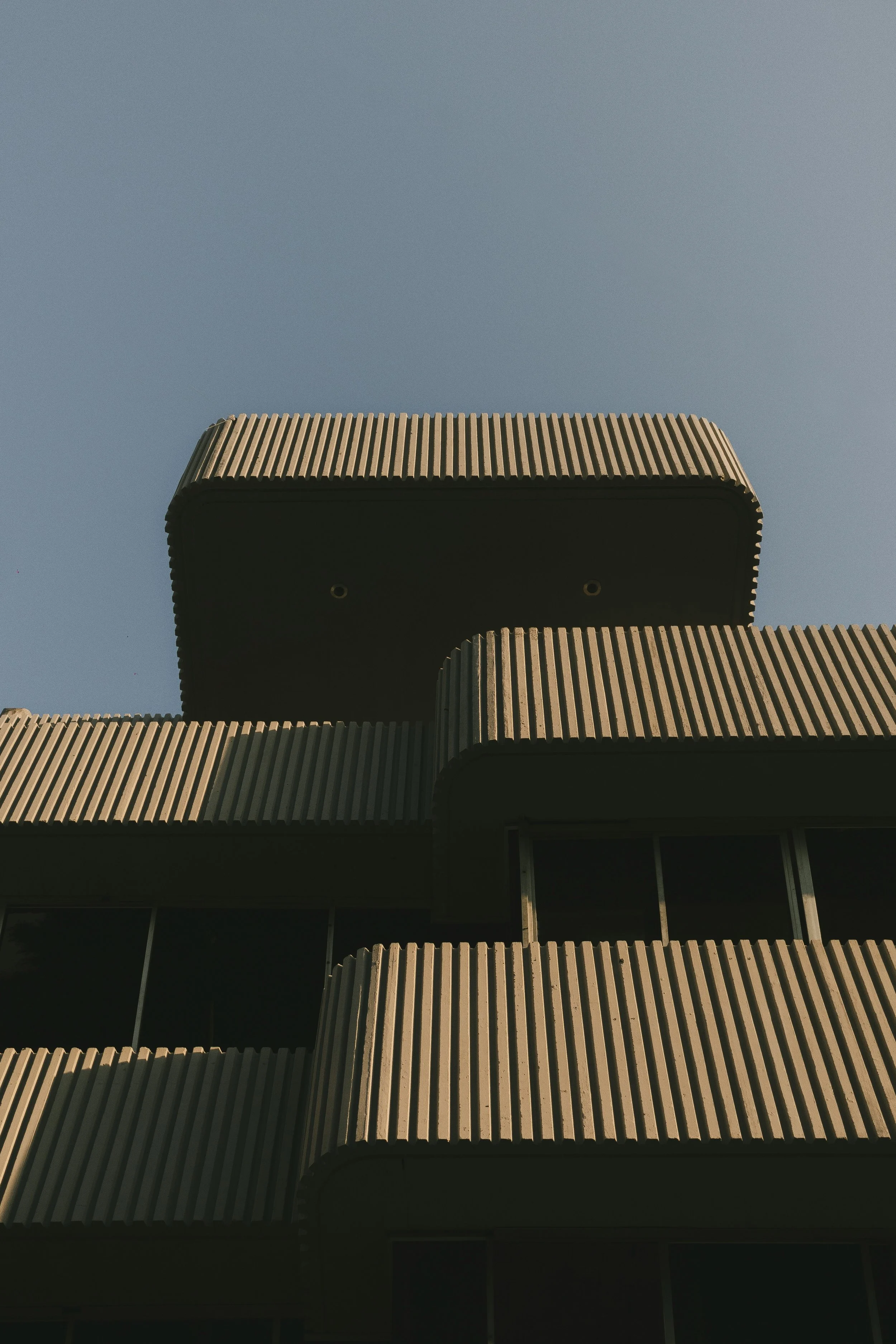
Building depth requires layering different structural components on the facade. Overhanging roofs, recessed windows, and structural columns break up flat surfaces. Flat facades look plain, so introducing shadows and texture creates visual interest across the entire exterior. Project designers often combine varied depths with distinct exterior trim to create memorable silhouette shapes along busy streets.
Stone Cornices and Decorative Flourishes
Classical design features bring a sense of history and strength to modern properties. Incorporating classic stone cornices or historical decorative flourishes gives a building visual interest and marks the structure as distinctive. These traditional accents frame the upper edges of walls and create clear separation between floors.
Heavy stonework creates a feeling of permanence. Carved moldings around doors and windows draw attention to main entry points. Masons use native stone or precast concrete to achieve custom decorative details without exceeding project budget limits. Distinctive stone caps on parapets further protect brickwork from moisture damage.
Metal Panels and Texture
Modern facades frequently rely on industrial materials to make a statement. Metal panels allow a facade to develop real character through clean lines and varied surface finishes. Corrugated steel, aluminum composite panels, and copper accents offer long durability with low maintenance needs.
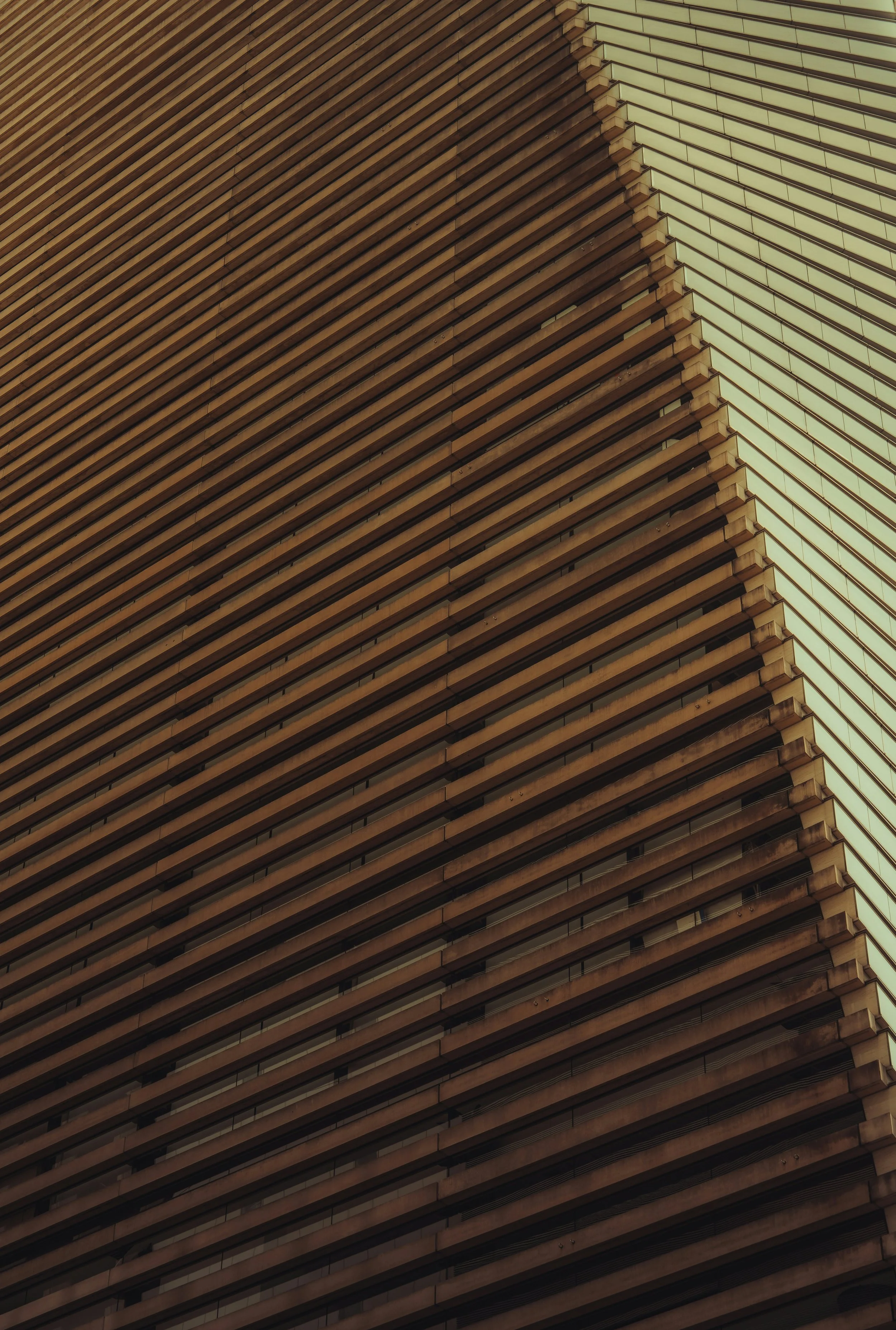
Combining metal panels with warm wood or smooth stone prevents a building from looking cold. Horizontal panels make a low building appear wider, whereas vertical placement adds perceived height. Perforated metal screens filter harsh sunlight and add dynamic visual patterns throughout daylight hours. Metallic cladding panels resist weather wear, maintaining clean surface aesthetics for decades.
Exterior Lighting Choices
Lighting highlights structural accents long after sunset. Placement of exterior fixtures determines which features stand out at night.
Upward spotlights reveal the texture of masonry walls.
Linear LED strips outline roof edges and structural beams.
Recessed sconces frame doorways to guide visitors safely.
Strategic illumination improves security and displays architectural highlights. Warm light tones make concrete and stone feel welcoming, whereas cool light complements metal and glass surfaces. Motion-activated fixtures near side entrances provide energy savings without compromising safety.
Color Palettes and Contrasting Trims
Color choices alter how passersby view a commercial structure. Dark trim around light walls creates strong visual contrast that draws the eye toward architectural features. Paint applied to window casings, door frames, and gutters shapes the visual character of the facade.
Neutral base colors like charcoal, beige, or warm grey work well on large surfaces. Adding bold accent shades on entryway doors or structural accents creates points of focus. Updating exterior paint represents 1 of the most cost-effective ways to refresh an aging commercial structure. Selecting weather-resistant exterior coatings keeps colors sharp under constant exposure to harsh sunlight.
Window Frames and Glass Treatments
Windows serve functional roles, but outer frames contribute heavily to facade style. Thick black aluminum mullions give a clean industrial look. Deeply set window frames create natural shadows that break up large stretches of glass.
Tinted or reflective glass adds privacy and alters the visual tone of the exterior. Decorative window grilles or outer sunshades add geometry to simple glass walls. Combining small divided window panes with large picture windows creates balanced visual contrast on multi-story buildings. Frameless glass corners create sleek lines that appeal to modern commercial tenants.
Entryway Upgrades and Canopy Design
The main entrance serves as the primary focal point of any commercial building exterior. A prominent canopy or overhang protects guests from rain and creates a clear architectural centerpiece. Steel beams, wood soffits, or glass awnings extend outward to welcome people into the space.
Double-height entryways make a bold statement. Broad stone steps, custom door handles, or surrounding planter boxes reinforce a high-quality impression. Thoughtful entrance designs guide foot traffic naturally toward the front door. Integrated signage within the entrance canopy ensures clear brand visibility from the street.
Landscaping Integration and Hardscaping
Landscaping elements frame exterior architecture and connect buildings to surrounding walkways. Integrated concrete planters, stone retaining walls, and paved pathways match facade materials to form a unified property layout.
Vegetation brings natural texture that softens hard masonry lines. Low-maintenance shrubs and tall ornamental grasses accentuate building corners without obstructing ground-level windows. Built-in stone benches near building entrances offer functional seating for visitors and serve as structural accents.
Exterior details shape commercial real estate's identity. Combining textures, structured lighting, and quality materials turns simple properties into landmark locations. Investing in exterior character raises property values and creates an inviting environment for tenants and visitors alike. Thoughtful design choices pay off for decades.
Commercial properties often look standard from a distance. Plain brick walls, flat glass panes, and simple roofs fill many city streets. Adding distinct exterior features changes how people perceive a commercial space. Unique details build visual identity, attract quality tenants, and make a strong impression on visitors. Small adjustments to the outside structure transform an ordinary layout into something distinct. Strategic investments in exterior design pay dividends through higher property values and increased foot traffic.
Architectural Elements That Add Depth
Commercial properties often stand out through thoughtful exterior details. Building designers consider how roofing, siding, windows, and other components work together to create a cohesive facade. Resources such as Sundra can also be useful when considering how roofing and other exterior systems contribute to a building's overall structure and appearance. These practical elements can be incorporated without overwhelming the architectural design. Thoughtful planning also helps ensure that visual details complement the property's functional requirements.
Building depth requires layering different structural components on the facade. Overhanging roofs, recessed windows, and structural columns break up flat surfaces. Flat facades look plain, so introducing shadows and texture creates visual interest across the entire exterior. Project designers often combine varied depths with distinct exterior trim to create memorable silhouette shapes along busy streets.
Stone Cornices and Decorative Flourishes
Classical design features bring a sense of history and strength to modern properties. Incorporating classic stone cornices or historical decorative flourishes gives a building visual interest and marks the structure as distinctive. These traditional accents frame the upper edges of walls and create clear separation between floors.
Heavy stonework creates a feeling of permanence. Carved moldings around doors and windows draw attention to main entry points. Masons use native stone or precast concrete to achieve custom decorative details without exceeding project budget limits. Distinctive stone caps on parapets further protect brickwork from moisture damage.
Metal Panels and Texture
Modern facades frequently rely on industrial materials to make a statement. Metal panels allow a facade to develop real character through clean lines and varied surface finishes. Corrugated steel, aluminum composite panels, and copper accents offer long durability with low maintenance needs.
Combining metal panels with warm wood or smooth stone prevents a building from looking cold. Horizontal panels make a low building appear wider, whereas vertical placement adds perceived height. Perforated metal screens filter harsh sunlight and add dynamic visual patterns throughout daylight hours. Metallic cladding panels resist weather wear, maintaining clean surface aesthetics for decades.
Exterior Lighting Choices
Lighting highlights structural accents long after sunset. Placement of exterior fixtures determines which features stand out at night.
Upward spotlights reveal the texture of masonry walls.
Linear LED strips outline roof edges and structural beams.
Recessed sconces frame doorways to guide visitors safely.
Strategic illumination improves security and displays architectural highlights. Warm light tones make concrete and stone feel welcoming, whereas cool light complements metal and glass surfaces. Motion-activated fixtures near side entrances provide energy savings without compromising safety.
Color Palettes and Contrasting Trims
Color choices alter how passersby view a commercial structure. Dark trim around light walls creates strong visual contrast that draws the eye toward architectural features. Paint applied to window casings, door frames, and gutters shapes the visual character of the facade.
Neutral base colors like charcoal, beige, or warm grey work well on large surfaces. Adding bold accent shades on entryway doors or structural accents creates points of focus. Updating exterior paint represents 1 of the most cost-effective ways to refresh an aging commercial structure. Selecting weather-resistant exterior coatings keeps colors sharp under constant exposure to harsh sunlight.
Window Frames and Glass Treatments
Windows serve functional roles, but outer frames contribute heavily to facade style. Thick black aluminum mullions give a clean industrial look. Deeply set window frames create natural shadows that break up large stretches of glass.
Tinted or reflective glass adds privacy and alters the visual tone of the exterior. Decorative window grilles or outer sunshades add geometry to simple glass walls. Combining small divided window panes with large picture windows creates balanced visual contrast on multi-story buildings. Frameless glass corners create sleek lines that appeal to modern commercial tenants.
Entryway Upgrades and Canopy Design
The main entrance serves as the primary focal point of any commercial building exterior. A prominent canopy or overhang protects guests from rain and creates a clear architectural centerpiece. Steel beams, wood soffits, or glass awnings extend outward to welcome people into the space.
Double-height entryways make a bold statement. Broad stone steps, custom door handles, or surrounding planter boxes reinforce a high-quality impression. Thoughtful entrance designs guide foot traffic naturally toward the front door. Integrated signage within the entrance canopy ensures clear brand visibility from the street.
Landscaping Integration and Hardscaping
Landscaping elements frame exterior architecture and connect buildings to surrounding walkways. Integrated concrete planters, stone retaining walls, and paved pathways match facade materials to form a unified property layout.
Vegetation brings natural texture that softens hard masonry lines. Low-maintenance shrubs and tall ornamental grasses accentuate building corners without obstructing ground-level windows. Built-in stone benches near building entrances offer functional seating for visitors and serve as structural accents.
Exterior details shape commercial real estate's identity. Combining textures, structured lighting, and quality materials turns simple properties into landmark locations. Investing in exterior character raises property values and creates an inviting environment for tenants and visitors alike. Thoughtful design choices pay off for decades.