
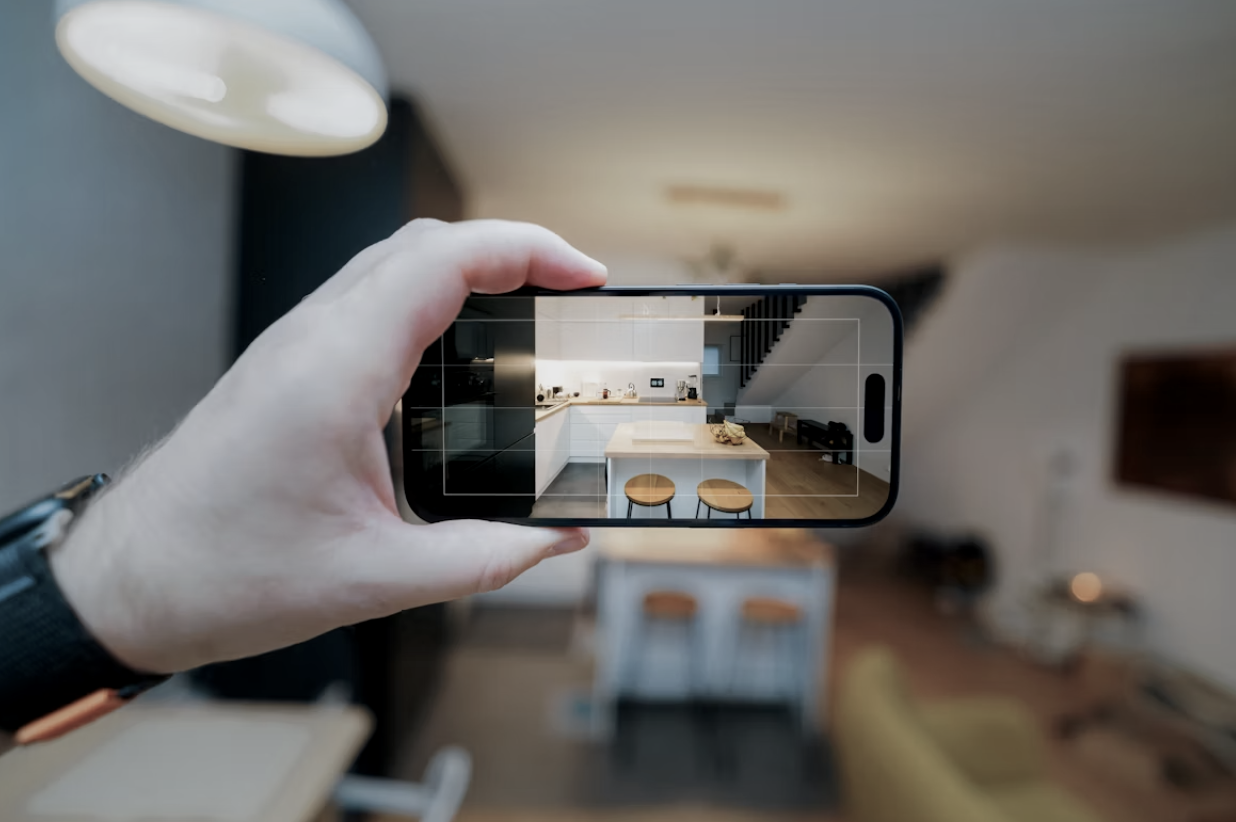
The Importance of Staging Your House for a Quick Sale
The contemporary real estate market demands more than just a structural transaction; it requires a sophisticated narrative that captures a buyer’s imagination. Selling a residential property in today's competitive landscape means competing against pristine digital listings and highly curated lifestyle expectations.
For discerning homeowners, simply listing a property "as-is" rarely yields optimal financial results. Instead, successful transactions rely on the strategic art of home staging—a deliberate process that enhances architectural strengths while minimizing liabilities.
The Accelerated Timeline of Staged Properties
Time is the ultimate currency in real estate, and prolonged market exposure often acts as a detriment to a home's perceived worth. When a property lingers on listing platforms, buyers instinctively assume there are hidden defects, leading to price reductions. Strategic presentation directly addresses this friction by neutralizing the property and generating instant appeal.
Statistical evidence consistently supports this proactive intervention. According to industry insights from the Home Staging Institute, homes that are staged sell 73% faster than those that are not staged. This dramatic reduction in days on market saves sellers thousands in ongoing carrying costs while preserving the listing's initial momentum.
Streamlining the Process with Direct Alternatives
While the benefits of preparing a property for the traditional market are undeniable, the required investment of time and capital can become overwhelming. Managing extensive updates, coordinating with interior stylists, and keeping a house continuously immaculate present a significant logistical burden.
For individuals facing tight relocation timelines or those who prefer to bypass the traditional listing process entirely, alternative paths exist. In specific regional markets, selling directly to professional home buyers removes the need for cosmetic preparation altogether. As seen at www.coastalnccashoffer.com, homeowners searching for a seamless, immediate transaction can utilize specialized local platforms to secure an upfront cash offer. This direct route completely bypasses the traditional staging process, allowing sellers to transition effortlessly to their next chapter without spending capital on renovations.
The Architecture of Simplicity: Embracing Current Design Movements
For those choosing the traditional listing route, successful execution requires a deep understanding of contemporary design movements and evolving consumer desires. Today’s buyers are drawn to clean lines, organic textures, and functional elegance. Industry forecasts underline this shift toward minimalist sophistication.
Expert insights from BA Staging & Interiors indicate that decluttering remains one of the most impactful professional home styling tips for 2026 because buyers continue to crave simplicity and order. By purging unnecessary items and leaning into a refined aesthetic, sellers create a calming environment that feels both luxurious and highly adaptable, allowing visitors to project their own lives onto the space.
Maximizing Perceived Square Footage and Storage
One of the most critical psychological objectives of home staging is the optimization of perceived space. Buyers are actively looking for properties that promise room to grow, meaning cramped rooms and overstuffed closets can instantly derail a potential sale. Professional stagers evaluate how storage areas are presented to prospective buyers.
To create the illusion of abundance, specific spatial strategies must be deployed. Guidance from RoomStage notes that sellers should pack up at least 50% of the contents to show off how much storage space is truly available. Emptying half of the built-in shelving demonstrates that the home accommodates an organized lifestyle.
Strategic Aesthetic Enhancements That Drive Premium Offers
Executing an impactful staging strategy does not require a complete architectural overhaul; rather, it hinges on precise, high-return adjustments that elevate the entire atmosphere. Consider implementing these essential design principles before opening your doors to the public:
Optimize Natural Illumination: Remove heavy drapery to maximize natural light, which instantly makes rooms feel larger.
Establish Neutral Color Palettes: Apply soft neutral tones to walls to unify disparate spaces and provide a clean canvas.
Curate Furniture Layouts: Arrange furniture away from walls to create fluid traffic lanes and highlight architectural flow.
Emotional Mapping: Transforming Houses into Aspirations
Ultimately, real estate acquisitions are deeply rooted in emotion, despite how analytical buyers claim to be. People do not just purchase brick and mortar; they invest in a vision of their future lifestyle. Staging serves as a form of emotional mapping, guiding visitors through an ideal day within the home. A perfectly styled kitchen vignette featuring a subtle arrangement of fresh botanicals suggests peaceful mornings.
A beautifully organized home office hints at productivity. By artfully arranging these aspirational touchpoints, a seller shifts the conversation from structural specifications to lifestyle possibilities, commanding top market value.
In the modern real estate arena, home staging has evolved from an optional luxury into a fundamental business strategy. Whether navigating the open market through meticulous design or choosing a direct path via specialized cash home buyers, the ultimate goal remains identical: maximizing efficiency. By prioritizing visual clarity, maximizing storage potential, and respecting the consumer’s desire for simplicity, sellers can significantly compress their sales timeline.