
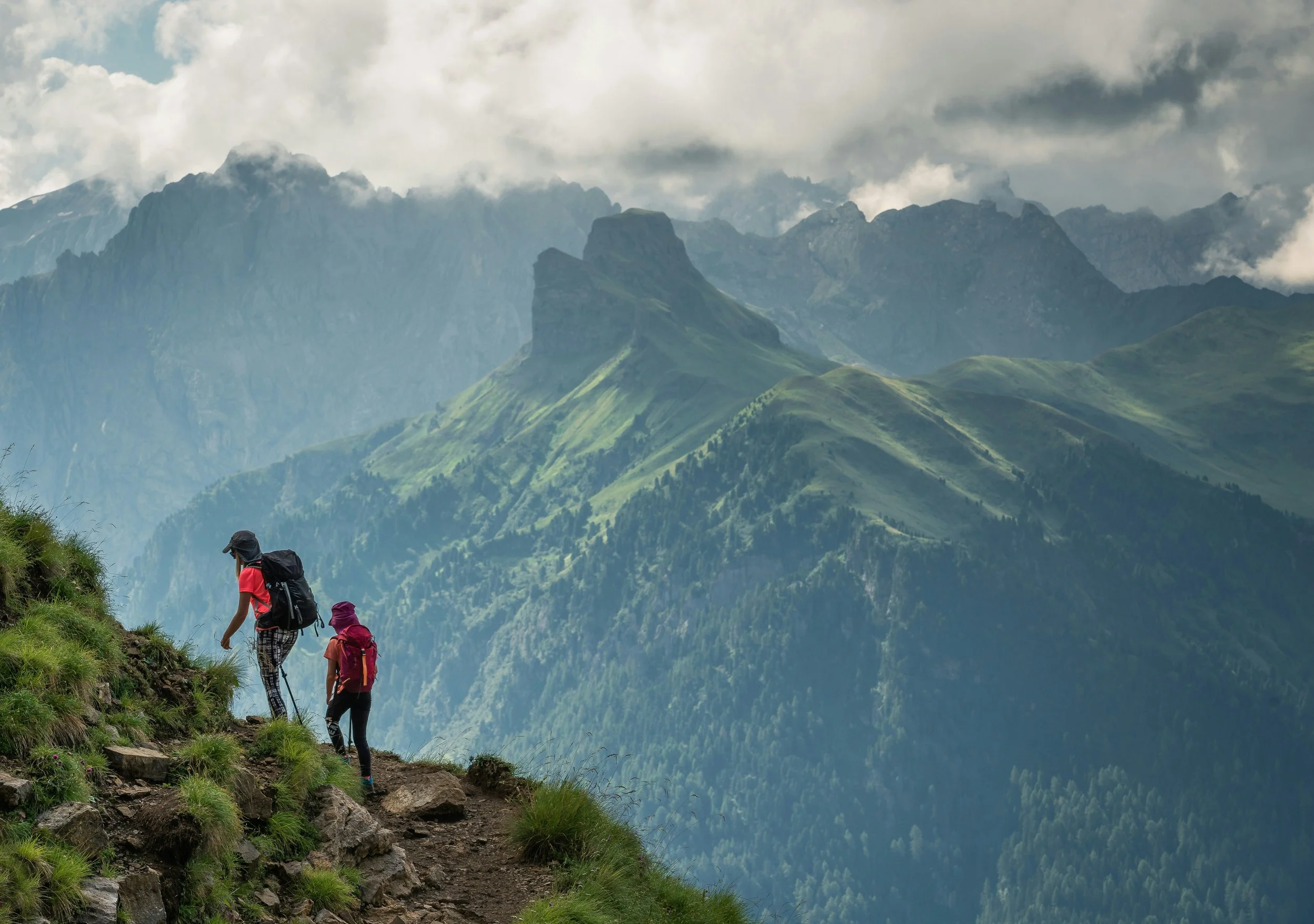
Tips for choosing the perfect outdoor outfit
Spending time in the great outdoors is one of the most rewarding ways to spend your free time. Whether you are trekking through a dense forest, climbing a steep mountain trail, or casting a line in a quiet river, your experience heavily depends on one crucial factor: what you choose to wear. Choosing the perfect outdoor outfit is not about looking fashionable; it is about ensuring your comfort, safety, and adaptability. The wilderness can be unpredictable, and weather conditions can shift from bright and sunny to cold and damp in a matter of minutes. By following a few fundamental guidelines, you can ensure that you are fully prepared for whatever nature throws your way.
Sun Protection and Purpose-Built Apparel
Defending your skin against ultraviolet (UV) rays is just as vital as staying warm and dry, even on heavily overcast days. When selecting gear to combat these elements, exploring specialized apparel from manggear.com provides you with high-quality, purpose-built clothing engineered specifically for rugged environments. Outfitting yourself with UPF-rated long-sleeve shirts, lightweight trousers, and wide-brimmed hats creates a dependable physical barrier against long-term sun damage. Finally, remember to wear polarized sunglasses to eliminate the harsh glare reflecting off water, snow, and rocky trails.
The Science of the Layering System
The golden rule of outdoor dressing is mastering the layering system. Instead of wearing one thick, heavy coat, it is much more effective to wear multiple lighter layers. This strategy allows you to seamlessly regulate your body temperature by adding or removing clothing as your activity level or the weather changes throughout the day. The layering system typically consists of three main components: the base layer, the mid-layer, and the outer layer.
The base layer sits directly against your skin, and its primary job is moisture management. As you exert yourself on the trail, you will inevitably sweat. If that sweat stays trapped on your skin, it can rapidly cool your core temperature once you stop moving. Your base layer should pull, or "wick," this moisture away from your body.
The mid-layer provides essential insulation by trapping the body heat you naturally generate. Depending on the climate, this could be a lightweight fleece pullover, a breathable wool sweater, or a highly compressible puffy down jacket. A separate mid-layer is advantageous because you can quickly remove it when hiking up a steep incline and easily put it back on when you reach a windy, exposed summit.
Finally, the outer layer, or shell, protects you from harsh elements like wind, rain, and snow. A good shell jacket is both waterproof and breathable, allowing the wicked moisture from your inner layers to escape while preventing outside moisture from penetrating your outfit.
Material Matters: Why You Should Avoid Cotton
When selecting fabrics for your outdoor apparel, there is one popular saying among seasoned adventurers: "cotton kills." While cotton is comfortable for lounging at home, it is a remarkably poor choice for active outdoor pursuits. Cotton absorbs moisture easily and takes a very long time to dry out. If you sweat in a cotton t-shirt and the temperature suddenly drops, that damp fabric actively pulls heat away from your body, drastically increasing your risk of hypothermia.
Instead, opt for synthetic materials like polyester or nylon, which dry quickly and wick moisture effectively. Merino wool is a fantastic natural alternative that regulates body temperature, stays warm even when wet, and naturally resists odor-causing bacteria.
Footwear: Building a Solid Foundation
No outdoor outfit is ever complete without the right footwear. Your feet are your primary mode of transportation, so keeping them happy and blister-free is essential. The type of footwear you need depends entirely on the terrain you plan to tackle. For well-maintained, flat trails, a pair of lightweight trail running shoes might be perfectly sufficient. However, if you are navigating uneven, rocky terrain or carrying a heavy backpack for a multi-day trip, you will absolutely need the ankle support and stiff soles provided by traditional hiking boots.
For those who prefer natural fibers in their everyday outdoor essentials, material sourcing can also be an important consideration. Choosing options such as chemical-free cotton socks may appeal to hikers looking for comfortable, simple alternatives for lighter activities or casual outdoor use. While technical fabrics remain valuable for intense conditions, understanding how different materials are produced can help you make more informed choices when building your outdoor wardrobe. Balancing performance needs with personal values allows you to select gear that works well for both you and the environment.
Do not overlook the importance of socks. Just like your base layer, your socks should be made of wool or synthetic blends. Many experienced hikers prefer wearing a thin liner sock underneath a thicker wool sock to reduce internal friction and prevent painful blisters.
Tailoring Your Outfit to the Environment
Ultimately, your outfit must be carefully tailored to the specific environment and activity you have planned. If you are heading out for a day of kayaking or fishing, prioritize quick-drying fabrics and incorporate a dedicated sun shirt. If you are venturing into areas with dense brush, long pants made of durable, tear-resistant nylon are necessary to protect your legs from scratches and ticks.
Choosing the perfect outdoor outfit does not have to be a daunting or complicated task. By focusing on mastering the layering system, choosing appropriate moisture-wicking fabrics, investing in proper footwear, and prioritizing UV sun protection, you can easily create a versatile wardrobe ready for any adventure. Remember that the ultimate goal of outdoor clothing is to allow you to focus entirely on the profound beauty of nature around you, free from physical distractions. Equip yourself wisely, respect the environment, and enjoy every single moment of your time outside.