
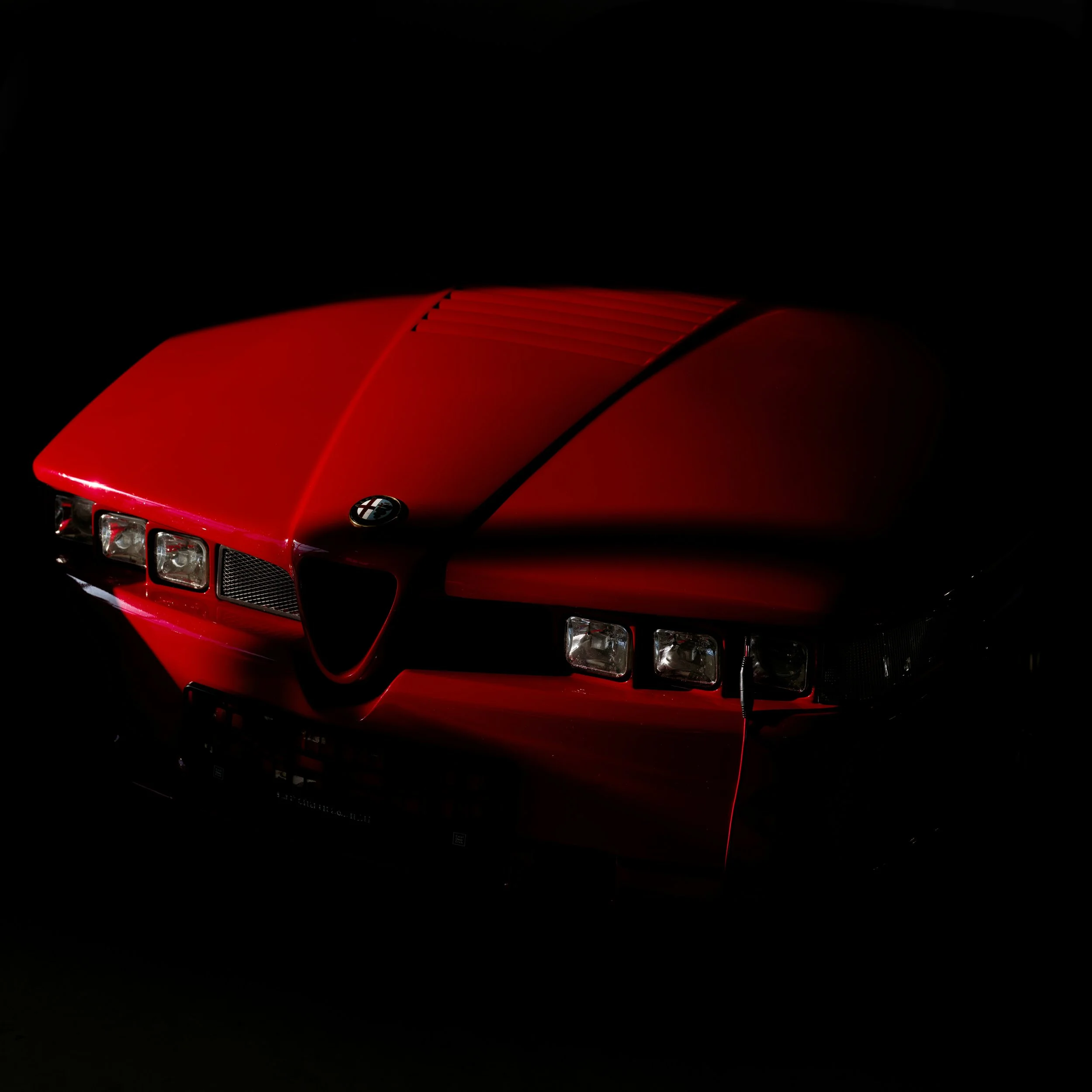
Vintage European sports cars are gaining traction as functional design investments
You probably appreciate objects in your home that balance beauty with everyday usefulness. A growing wave of enthusiasts and design-minded homeowners now applies that exact philosophy to vintage European sports cars, treating them as functional lifestyle assets rather than static museum pieces.
When you park a mid-century grand tourer in your driveway, you bring industrial artistry into your daily routine. Pairing thoughtful garage preservation with smart valuation habits lets you enjoy every weekend drive while protecting your collection's legacy.
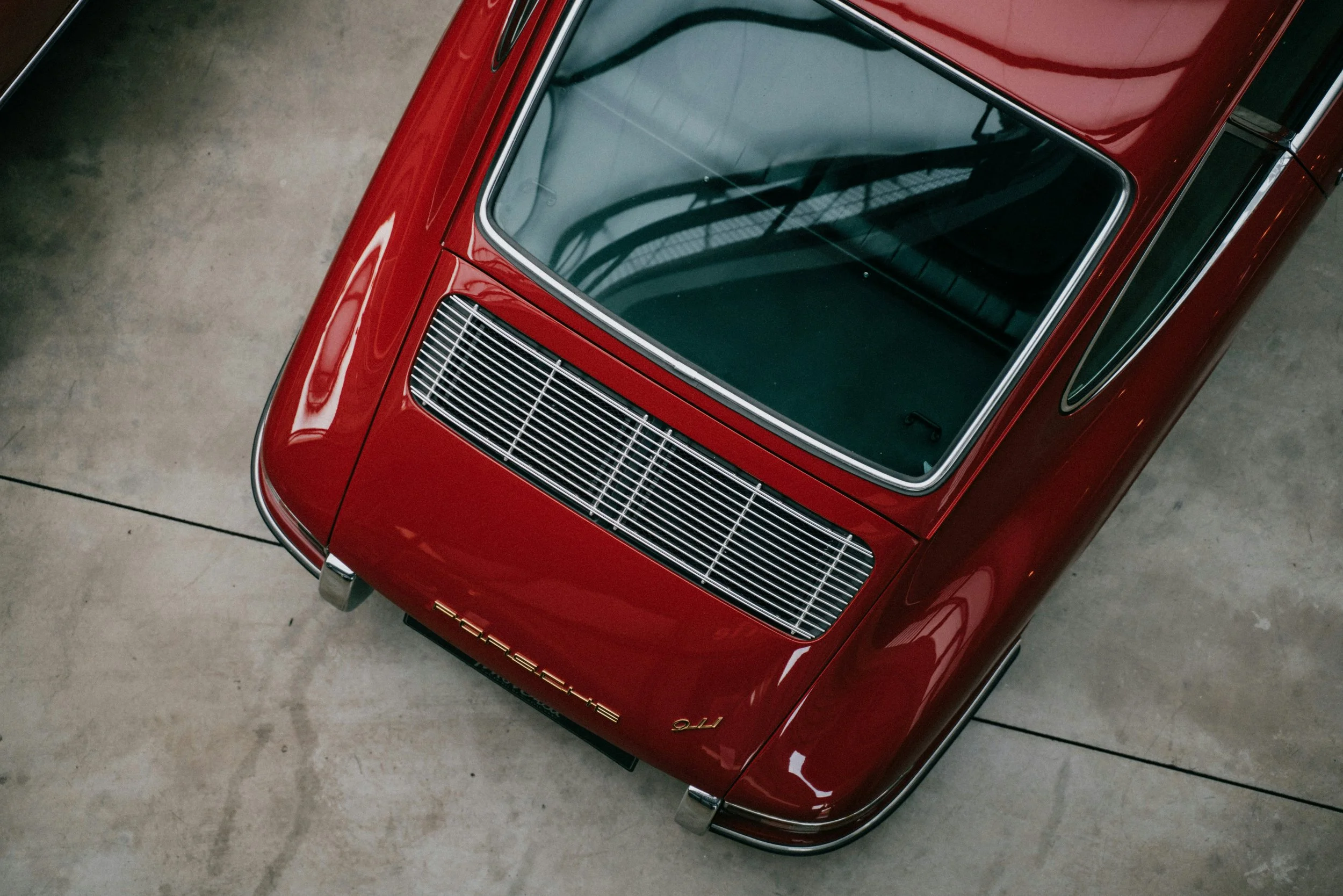
Why Do Coachbuilt European Marques Hold Enduring Aesthetic Appeal?
Post-war European automakers shaped metal around aerodynamics and human ergonomics rather than fleeting styling trends. Behind the thin, wood-rimmed wheel of an early Porsche 356, an Alfa Romeo Giulietta Spider, or a Mercedes-Benz 190 SL, every analog gauge feels purposeful. Coachbuilders hammered aluminum and steel panels by hand, giving these cars proportions that rival mid-century modernist furniture.
Driving one of these classics connects you directly to the road in ways modern computer-assisted cars rarely match. You hear the mechanical chatter of twin carburetors and feel road texture through unassisted steering, making each car a working piece of kinetic sculpture.
How Do You Verify Provenance Before Buying a Collector Car?
Evaluating an older European sports car takes far more than admiring glossy paintwork during a quick test drive. Consulting a seasoned classic car expert helps you spot non-original engine blocks, hidden rust repairs, and mismatched chassis stampings when evaluating vintage European models. You should always inspect factory build sheets, period service stamps, and import records before making an offer. Strong documentation confirms a vehicle's authentic backstory and protects you from costly restoration surprises.
Ownership history shapes how future buyers perceive a car's pedigree. A roadster with decades of traceable care commands much stronger confidence than a vehicle with unexplained gaps in its timeline.
What Makes an Estate Garage Safe for Vintage Mechanical Systems?
Moisture and sharp temperature swings quietly damage untreated steel floor pans, leather upholstery, and magnesium engine casings. Upgrading your residential garage into a preservation space starts with keeping relative humidity between 45% and 55% year-round. Industry estimates from SteelCo Buildings note that outfitting a private garage with dedicated climate control typically runs between $7,000 and $15,000 or more, alongside investments in vehicle lifts, security hardware, and architectural finishes.
Clean lighting and breathable flooring matter nearly as much as temperature control. Epoxy coatings or interlocking porcelain tiles stop concrete dust from settling into carburetors while reflecting light onto the undercarriage during inspections.
Building a Routine That Keeps Collector Cars Road-Ready
Leaving a vintage sports car parked for months dries out rubber seals and lets fuel varnish inside delicate jets. Regular exercise keeps fluids circulating and prevents mechanical seizures.
Core Seasonal Maintenance Habits
You can protect your car's reliability between weekend drives with a monthly checklist:
Cycle engine fluids: Drive at least 20 miles every 2 weeks so oil reaches full operating temperature and burns off condensation.
Stabilize fuel tanks: Add ethanol-free gasoline and a fuel stabilizer before winter storage to shield brass carburetor floats from corrosion.
Maintain battery voltage: Connect a smart trickle charger to keep lead-acid cells healthy without overcharging older wiring harnesses.
Tire and Brake Checks
Flat spots form quickly on vintage-spec tires when a car sits stationary. Inflate tires to 5 PSI above normal driving pressure during multi-week breaks, and flush brake fluid every 2 years to stop internal caliper rust.
Exterior and Interior Care
Wash road grit off alloy wheels right away after damp outings, and condition natural leather seats twice a year so sunlight never cracks original stitching.
Which Factors Actually Drive Long-Term Collector Value?
Treating a classic roadster purely like a stock portfolio often leads to disappointment if you overlook what makes great cars special. Insights from LGT Private Banking show that vintage automobiles deliver personal pleasure and social cachet far more reliably than financial profits, with true market appreciation hinging on engineering significance, documented background, and mechanical rarity.
Limited-production homologation specials, twin-cam engines, and coachbuilt bodies consistently outperform mass-produced trims. Buying the finest mechanical example your budget allows gives you a car that holds desirability through shifting market cycles.
Planning Smooth Estate Transitions for Your Automotive Collection
Collectors often spend decades curating spare parts and service records without explaining their value to family members. Organizing a dedicated binder for each car helps your heirs or estate advisors understand what sits in your garage. Include titles, restoration invoices, specialist contacts, and realistic valuation ranges so loved ones never sell a rare coupe below its true worth.
Discussing your collection openly with your family also clarifies whether anyone wants to inherit the driving duties. Clear succession notes turn a potentially overwhelming estate task into a respectful handoff.
Caring for a mid-century European sports car rewards you with mechanical beauty you can experience on open roads. When you pair climate-controlled storage and steady maintenance with accurate valuation guidance, you safeguard both the thrill of ownership and the story behind every chassis. Your garage becomes more than a parking space - it becomes a lasting bridge between automotive history and everyday joy.
You probably appreciate objects in your home that balance beauty with everyday usefulness. A growing wave of enthusiasts and design-minded homeowners now applies that exact philosophy to vintage European sports cars, treating them as functional lifestyle assets rather than static museum pieces.
When you park a mid-century grand tourer in your driveway, you bring industrial artistry into your daily routine. Pairing thoughtful garage preservation with smart valuation habits lets you enjoy every weekend drive while protecting your collection's legacy.
Why Do Coachbuilt European Marques Hold Enduring Aesthetic Appeal?
Post-war European automakers shaped metal around aerodynamics and human ergonomics rather than fleeting styling trends. Behind the thin, wood-rimmed wheel of an early Porsche 356, an Alfa Romeo Giulietta Spider, or a Mercedes-Benz 190 SL, every analog gauge feels purposeful. Coachbuilders hammered aluminum and steel panels by hand, giving these cars proportions that rival mid-century modernist furniture.
Driving one of these classics connects you directly to the road in ways modern computer-assisted cars rarely match. You hear the mechanical chatter of twin carburetors and feel road texture through unassisted steering, making each car a working piece of kinetic sculpture.
How Do You Verify Provenance Before Buying a Collector Car?
Evaluating an older European sports car takes far more than admiring glossy paintwork during a quick test drive. Consulting a seasoned classic car expert helps you spot non-original engine blocks, hidden rust repairs, and mismatched chassis stampings when evaluating vintage European models. You should always inspect factory build sheets, period service stamps, and import records before making an offer. Strong documentation confirms a vehicle's authentic backstory and protects you from costly restoration surprises.
Ownership history shapes how future buyers perceive a car's pedigree. A roadster with decades of traceable care commands much stronger confidence than a vehicle with unexplained gaps in its timeline.
What Makes an Estate Garage Safe for Vintage Mechanical Systems?
Moisture and sharp temperature swings quietly damage untreated steel floor pans, leather upholstery, and magnesium engine casings. Upgrading your residential garage into a preservation space starts with keeping relative humidity between 45% and 55% year-round. Industry estimates from SteelCo Buildings note that outfitting a private garage with dedicated climate control typically runs between $7,000 and $15,000 or more, alongside investments in vehicle lifts, security hardware, and architectural finishes.
Clean lighting and breathable flooring matter nearly as much as temperature control. Epoxy coatings or interlocking porcelain tiles stop concrete dust from settling into carburetors while reflecting light onto the undercarriage during inspections.
Building a Routine That Keeps Collector Cars Road-Ready
Leaving a vintage sports car parked for months dries out rubber seals and lets fuel varnish inside delicate jets. Regular exercise keeps fluids circulating and prevents mechanical seizures.
Core Seasonal Maintenance Habits
You can protect your car's reliability between weekend drives with a monthly checklist:
Cycle engine fluids: Drive at least 20 miles every 2 weeks so oil reaches full operating temperature and burns off condensation.
Stabilize fuel tanks: Add ethanol-free gasoline and a fuel stabilizer before winter storage to shield brass carburetor floats from corrosion.
Maintain battery voltage: Connect a smart trickle charger to keep lead-acid cells healthy without overcharging older wiring harnesses.
Tire and Brake Checks
Flat spots form quickly on vintage-spec tires when a car sits stationary. Inflate tires to 5 PSI above normal driving pressure during multi-week breaks, and flush brake fluid every 2 years to stop internal caliper rust.
Exterior and Interior Care
Wash road grit off alloy wheels right away after damp outings, and condition natural leather seats twice a year so sunlight never cracks original stitching.
Which Factors Actually Drive Long-Term Collector Value?
Treating a classic roadster purely like a stock portfolio often leads to disappointment if you overlook what makes great cars special. Insights from LGT Private Banking show that vintage automobiles deliver personal pleasure and social cachet far more reliably than financial profits, with true market appreciation hinging on engineering significance, documented background, and mechanical rarity.
Limited-production homologation specials, twin-cam engines, and coachbuilt bodies consistently outperform mass-produced trims. Buying the finest mechanical example your budget allows gives you a car that holds desirability through shifting market cycles.
Planning Smooth Estate Transitions for Your Automotive Collection
Collectors often spend decades curating spare parts and service records without explaining their value to family members. Organizing a dedicated binder for each car helps your heirs or estate advisors understand what sits in your garage. Include titles, restoration invoices, specialist contacts, and realistic valuation ranges so loved ones never sell a rare coupe below its true worth.
Discussing your collection openly with your family also clarifies whether anyone wants to inherit the driving duties. Clear succession notes turn a potentially overwhelming estate task into a respectful handoff.
Caring for a mid-century European sports car rewards you with mechanical beauty you can experience on open roads. When you pair climate-controlled storage and steady maintenance with accurate valuation guidance, you safeguard both the thrill of ownership and the story behind every chassis. Your garage becomes more than a parking space - it becomes a lasting bridge between automotive history and everyday joy.