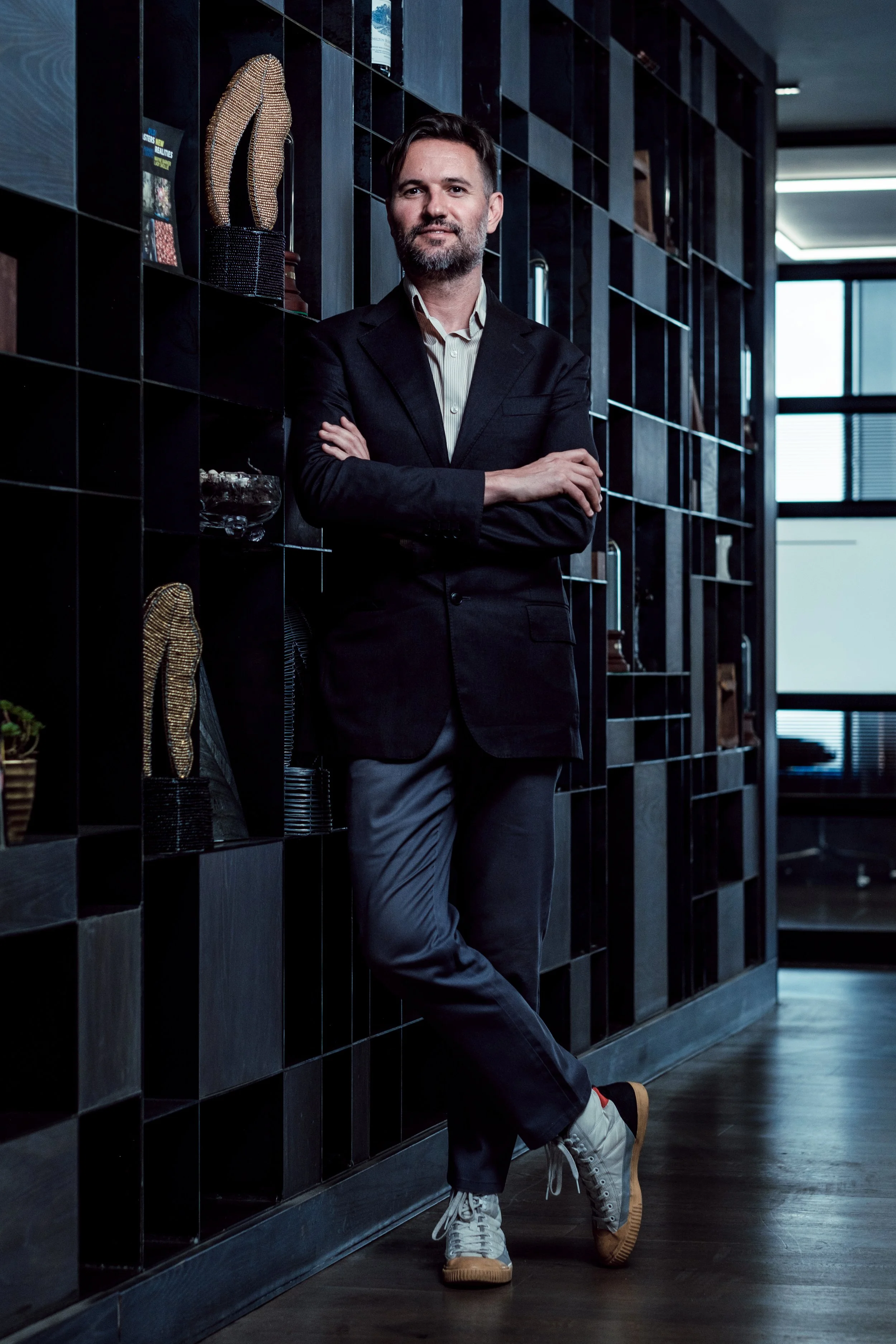
We chat to Eben Keun about The IPendorning Awards
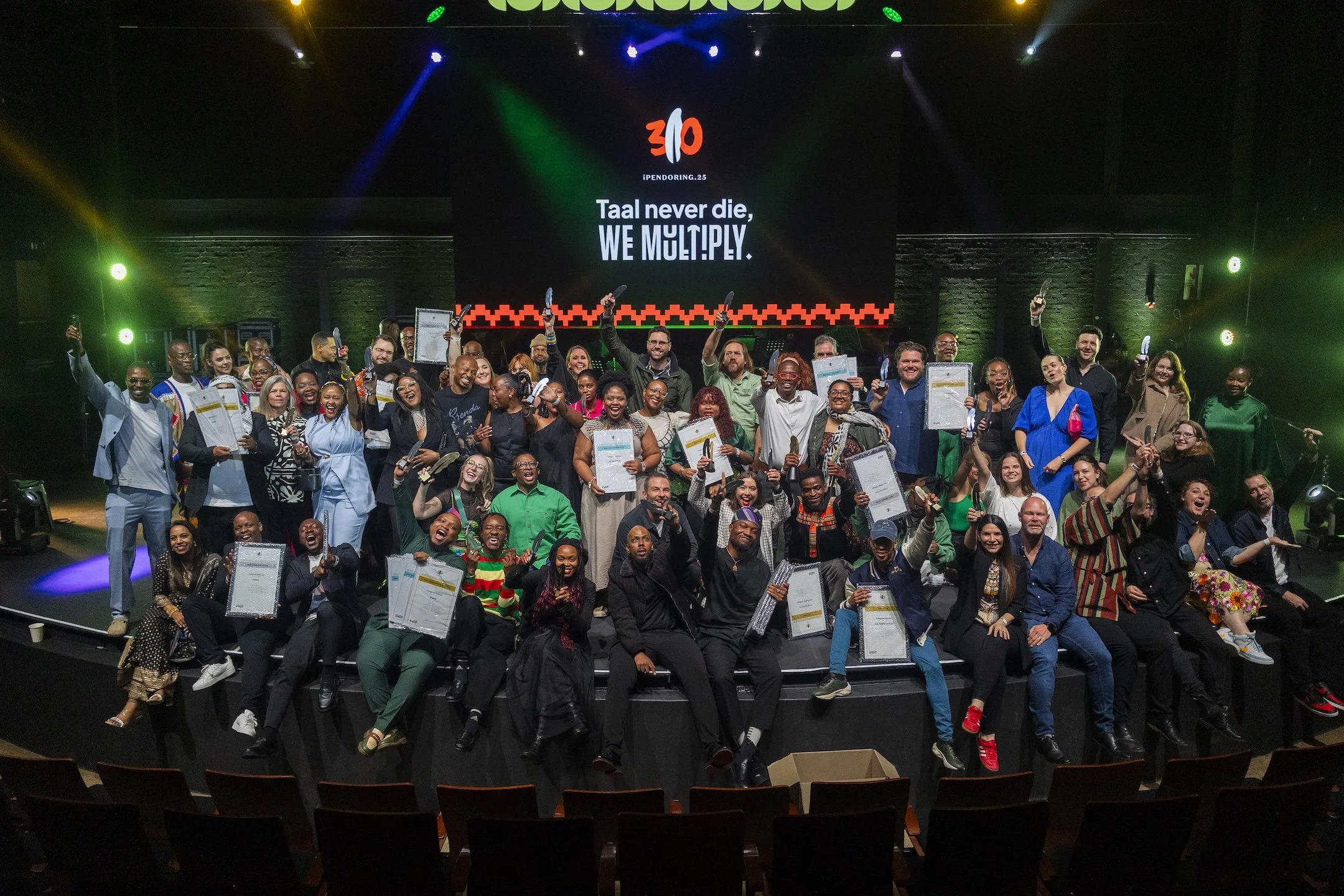
For three decades, the iPendoring Awards have stood as South Africa's premier celebration of creative excellence in indigenous languages. Launched in 1995, the awards recognize outstanding work across advertising, design, film, music, and digital media—provided that at least 70% of the content is in one of the country's 12 official indigenous languages, including South African Sign Language. What began as an Afrikaans-focused initiative has evolved into a truly inclusive platform that puts all indigenous languages on equal footing, championing the kind of multilingual creativity that reflects the real texture of South African communication. The awards don't just hand out trophies—they actively push the industry to create content that resonates in the languages people actually speak at home.
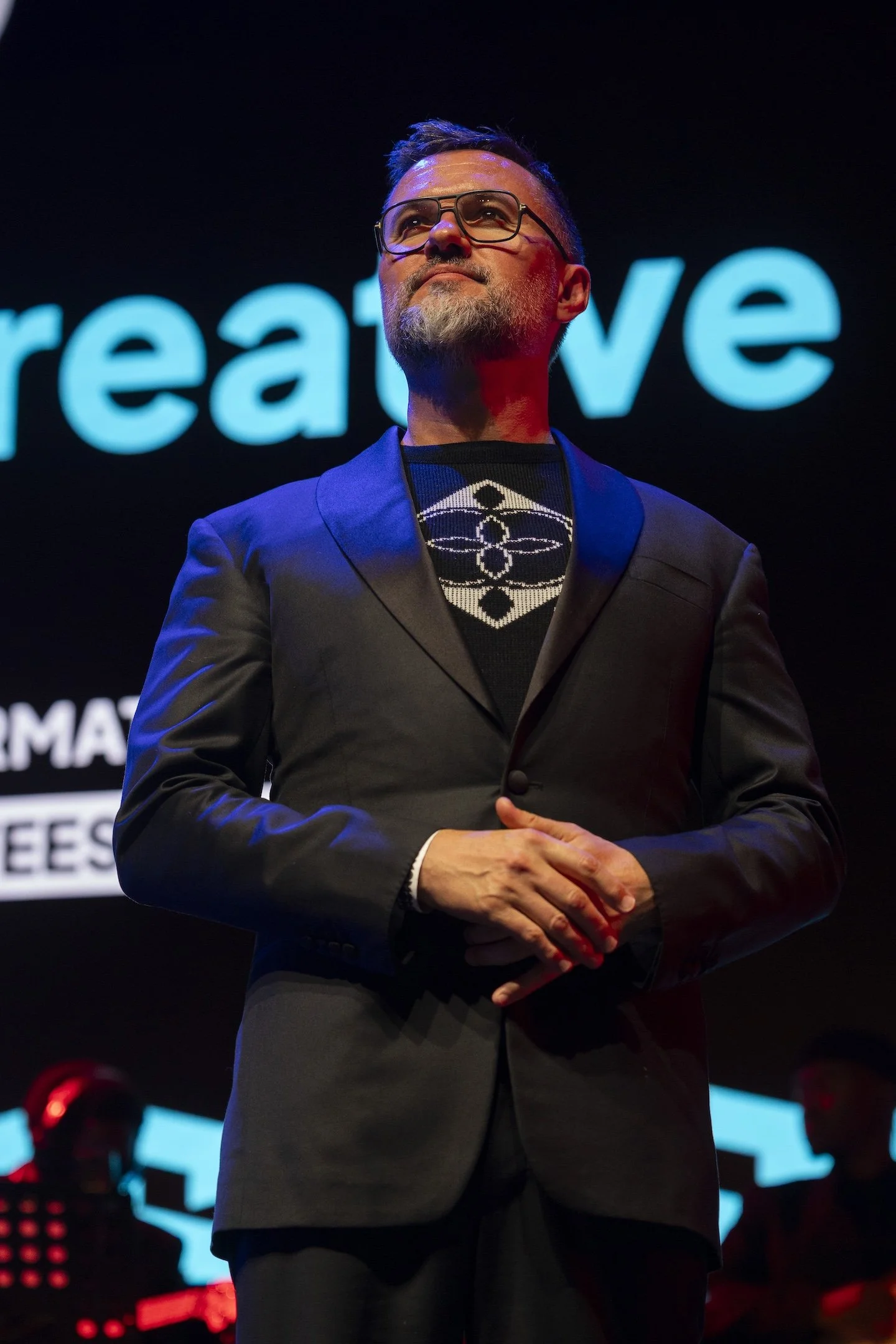
We chat to Eben Keun about his career and the Awards:
Can you walk us through your career journey—how did you end up as Managing Director of iPendoring?
What personal experiences shaped your passion for indigenous language communication?
I started my career studying design and strategic branding communication at AAA and then the brand-new Vega School. My business partner, Ilan Green and I studied together and started Breinstorm Brand Architects together. We actually won a Pendoring Award as young students, which gave us a bit of capital to start our new agency.
As an agency that focuses on higher purpose work, iPendoring is exactly the kind of project we love to work on. When the opportunity to become managing agents in 2018 became available, we jumped at the chance to take on the challenge of transforming Pendoring from an awards that primarily focused on Afrikaans work, with other indigenous language work recognised in a “South African” category, to one which recognises all indigenous languages on equal footing. An Afrikaans and an isiZulu radio advert now compete side-by-side in the same category.
What made Afrikaraoke stand out as the Umpetha Award winner among all entries? How significant was the collaboration with Dr Evans Netshivhambe in creating an authentic cultural product?
Afrikaraoke stood out because it combined traditional music with a modern format in a way that felt accessible and relevant. Dr Evans Netshivhambe’s involvement was key to keeping the songs accurate and culturally respectful, which strengthened the project’s credibility. Using karaoke to present music across several indigenous languages made it easier for younger audiences to engage with traditions they may not know well. This clear mix of authenticity and innovation is what ultimately set it apart as the Umpetha Award winner.
The campaign swept multiple categories—what does this say about integrated indigenous language campaigns?
When a campaign performs strongly across so many categories, it shows how well indigenous language content can work when it’s woven into every part of an idea, not just one channel. It suggests that culturally grounded work has the flexibility to succeed in audio, print, film, digital and integrated spaces when the insight is strong and the execution is consistent. It also points to a growing recognition that indigenous language campaigns aren’t niche, they can compete at the highest level across the full creative spectrum.
Entries went up 12% from last year—what's driving this surge in indigenous language creative work?
We have seen consistent year-on-year growth of 12%, which is fantastic. More agencies and brands are seeing the power and impact of executing work in indigenous languages – and being recognised for it.
Radio and Audio stood out particularly this year. What trends are you seeing in this category?
Radio and Audio stood out because the work leaned into strong storytelling, sharper use of language and a willingness to experiment beyond traditional formats. There’s a clear move towards pieces that feel immediate and conversational, with rhythm, tone and linguistic nuance playing a bigger role. Many entries also showed how audio can carry cultural detail in a way that feels intimate, which is likely why the category performed so well. And, of course, radio is still how we are able to reach large audiences in South Africa – without the same access limits that digital/internet comes with, or the high costs of television.
How has the quality of work evolved since the awards started in 1995?
It’s changed a lot as the industry and society has changed – how audiences consume media has changed, the skills students have has changed. We don’t have the 1995 archives, and have only been involved since 1998, but we are seeing much more multilingual campaigns being created – agencies and brands are recognising that it is crucial for a campaigns to be executed in multiple languages to reach the right audience. And we’re seeing far more quality work in the “smaller” indigenous languages, where relevant.
Student Work:
The UJ project won Overall Student Award—how important is nurturing this next generation for indigenous language communication?
Nurturing the next generation is crucial for keeping South Africa’s languages and culture alive. The UJ project shows how young creators can do something only we can do: draw on local stories, traditions, and everyday life to make indigenous languages vibrant and relevant. By weaving together personal experiences, recipes, and multiple languages, it points to a new wave of creativity that honours heritage while imagining fresh ways to express it, the kind of work that will shape the future of South African storytelling.
What does it mean for the industry when students are producing award-winning multilingual work?
Award-winning multilingual student work shows that the next generation is already influencing the industry. Young creatives are demonstrating confidence in working across languages and cultures, proving that high-quality, culturally grounded work isn’t limited to established professionals. Partnerships with organisations like Brand South Africa provide support and platforms where emerging talent can experiment, learn, and make a meaningful impact.
Partnership with Brand South Africa:
This is a new partnership—what does this collaboration mean for the future of the awards?
How does Brand South Africa's involvement elevate indigenous language communication nationally?
Our budding partnership helps extend the awards’ national reach while putting indigenous language storytelling front and centre. By supporting work that is culturally grounded, it highlights the richness of South Africa’s linguistic diversity and encourages the industry to keep pushing the boundaries of creativity and impact.
Industry Impact:
How do the iPendoring Awards influence mainstream advertising to embrace multilingualism?
The iPendoring Awards influence mainstream advertising by showing that work in indigenous languages can connect widely with audiences. And with the right audiences. We use Mandela’s quote a lot, but it says it well: “If you talk to a man in a language he understands, that goes to his head, if you talk to him in his language, that goes to his heart.”
Cultivating forums like the Indigenous Language Imbizo reinforces this, creating a space for dialogue around heritage and innovation.
With all the talk about AI and global advertising, why is indigenous language creativity more important than ever?
Cultural nuance is deeply embedded in how indigenous languages are communicated. It’s almost impossible to translate something from one language to another, without also explaining a key cultural nuance. Global campaigns will never be able to make us feel seen and head in that same way. In a world dominated by AI and global campaigns, indigenous language creativity is more important than ever, keeping South Africa’s languages alive, relevant, and central to the way stories are told locally and globally.
Looking Forward:
What are your hopes for the 2026 awards?
How can the industry better support indigenous language creative work year-round?
For next year, the hope is to see even more creative work in indigenous languages that pushes boundaries and shows what multilingual storytelling can do. Year-round, the industry can support this by investing in talent, giving space to experiment, and treating language as a central part of ideas. Ongoing dialogue, mentorship, and collaboration with cultural experts will help keep these languages vibrant and relevant in mainstream communication.