
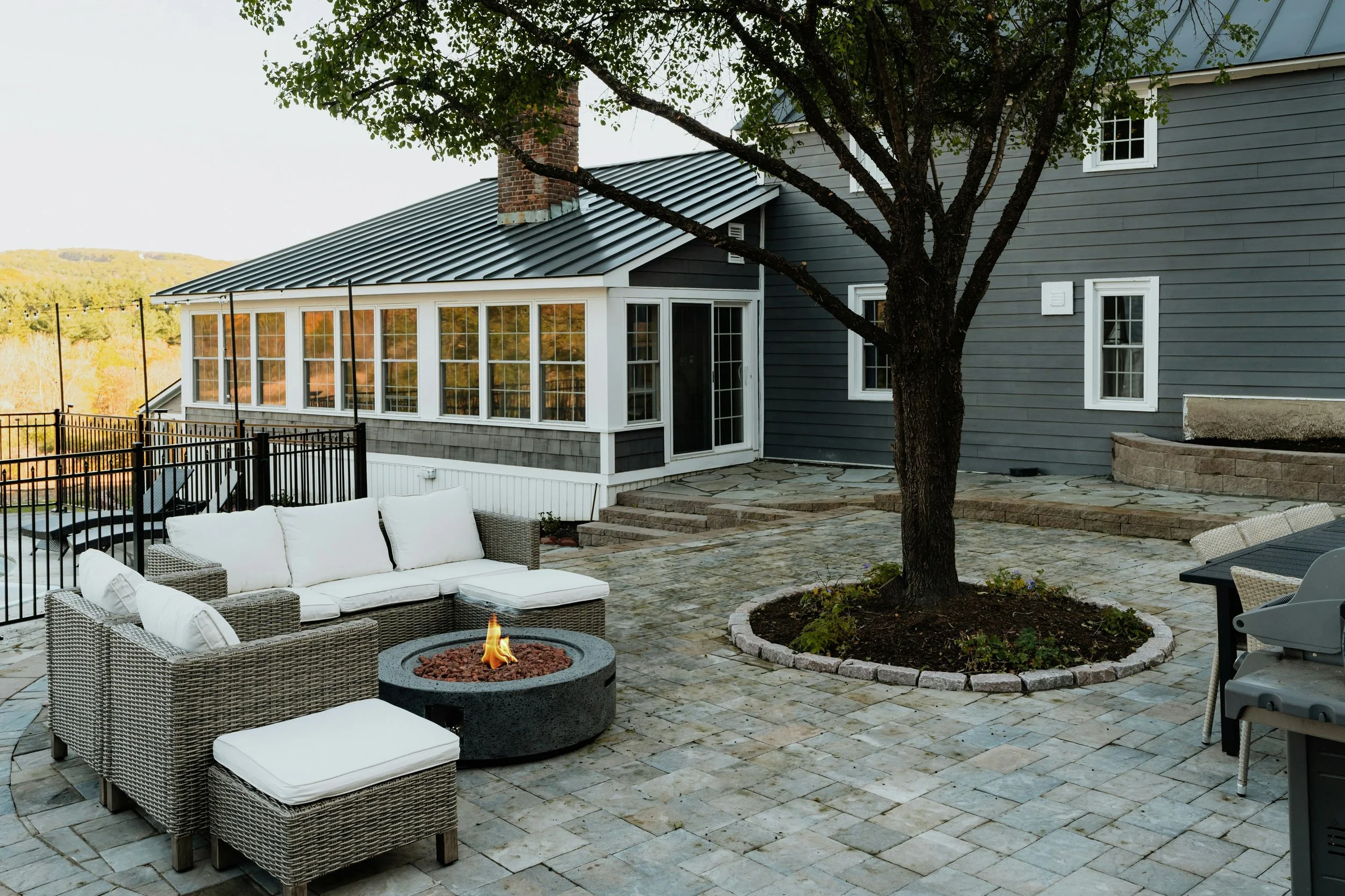
Which Materials Are Best for Outdoor Fire Tables in All Weather Conditions?
Not every fire table survives its second winter. Rain, UV exposure, freezing temperatures, and heat cycles wear down the wrong materials fast, and replacing a fire table is far more expensive than choosing the right one from the start.
So before you buy, it's worth knowing which materials genuinely hold up when the weather turns ugly. Here are five materials that perform best for outdoor fire tables across all weather conditions.
Cast Iron
Metal fire tables built from cast iron rank among the most weather-resistant options available, and their dense structure is a big reason why. Cast iron doesn't flex under temperature swings the way thinner metals do.
Cast iron holds heat as few other materials can. Well after the burner cuts off, a cast iron table keeps radiating warmth, genuinely useful on those cool fall evenings when the temperature drops fast. It's also heavy enough to stay put in moderate wind, which matters a lot on exposed patios and open decks.
The main trade-off is weight. Cast iron fire tables are difficult to move, and if the finish chips and bare metal is exposed to standing water, surface rust can form. A quick coat of high-temperature paint or a good cover addresses that easily.
For buyers who prioritize durability and heat performance over portability, cast iron is a strong choice for year-round outdoor use.
Powder-Coated Steel
Steel is the most widely used material in outdoor fire tables, and powder-coated steel holds up well in most climates. The coating process fuses a dry polymer finish directly to the metal surface, creating a barrier that resists corrosion and UV fading better than standard paint.
It's harder than it looks. Powder-coated finishes resist chipping and scratching, which means the protective layer stays intact through seasons of use. But if the coating does crack, such as around a weld, moisture can get underneath and cause rust to spread from that point outward.
In coastal environments with salt air, powder-coated steel needs more attention. A seasonal inspection for damage to the finish, followed by a touch-up if needed, keeps problems from spreading.
Overall, powder-coated steel offers a good balance of affordability, weight, and weather resistance for most parts of the US.
Aluminum
Aluminum doesn't rust. That single fact makes it one of the best materials for outdoor fire tables in high-humidity regions, coastal areas, or anywhere with frequent rain. Unlike steel, aluminum forms a natural oxide layer that seals the surface without any special coating.
It's also lightweight. A cast aluminum fire table is easy to reposition on a patio or store under cover before a storm, something cast iron simply can't offer. Aluminum holds up well against UV exposure, too, so you're less likely to see fading or brittleness over time.
The limitation is heat. Aluminum has a lower melting point than steel or cast iron, so fire table manufacturers who use it need to engineer the burner area carefully to keep operating temperatures safe for the frame. Stick to reputable designs and this isn't an issue, but it's something to ask about before you buy.
For low-maintenance, rust-free performance through wet winters or salt air, aluminum is hard to beat.
Concrete
Concrete fire tables look different from every other option on this list, and they perform differently too. The material is entirely non-combustible, doesn't rust, and won't warp or expand from heat the way metal does.
It handles temperature extremes well. Concrete expands and contracts very slightly through freeze-thaw cycles, and quality mixes with proper fiber reinforcement resist cracking even through cold northeastern winters. Sealed concrete also sheds water effectively, which cuts down on staining and weather damage.
The finish needs occasional attention. Concrete is porous, and without a good sealer reapplied every year or two, moisture penetrates the surface and can cause pitting over time. It's a simple maintenance step that most owners overlook.
Aesthetically, concrete brings a modern, sculptural look that other materials don't. If you want something that doubles as a statement piece and stands up to the elements, concrete is worth the weight, since these tables are heavy and rarely move once placed.
Natural Stone and Lava Rock
Natural stone - granite, slate, travertine - makes for a genuinely weather-resistant table surface, especially when it comes to the tabletop itself. Stone won't corrode, won't fade, and takes direct heat without breaking down. It's common to see fire tables with stone tops mounted on a metal base, pairing the durability of both materials in a single piece.
Lava rock is slightly different. It's used most often as a decorative filler around the burner rather than as a structural element. Lava rock handles extreme heat without cracking, doesn't burn, and adds a natural texture that hides the mechanical components underneath. It also distributes the flame visually, making the fire look fuller.
The drawbacks with natural stone are weight and price. Granite and slate don't come cheap, and a full stone table can weigh even more than a concrete one. Porous options like travertine also require sealing if you want to keep stains out.
But for pure heat resistance and longevity, natural stone tops are among the most durable surfaces you can put next to a live flame.
Conclusion
Figuring out which materials are best for outdoor fire tables in all weather conditions really comes down to your local climate and how much upkeep you're prepared to handle. Cast iron and concrete shine in cold climates. Aluminum and powder-coated steel hold up well across most regions. Natural stone tops bring heat resistance and long-term durability no matter where you live. Match the material to your environment, stay on top of seasonal care, and a quality fire table will serve you well for years.