
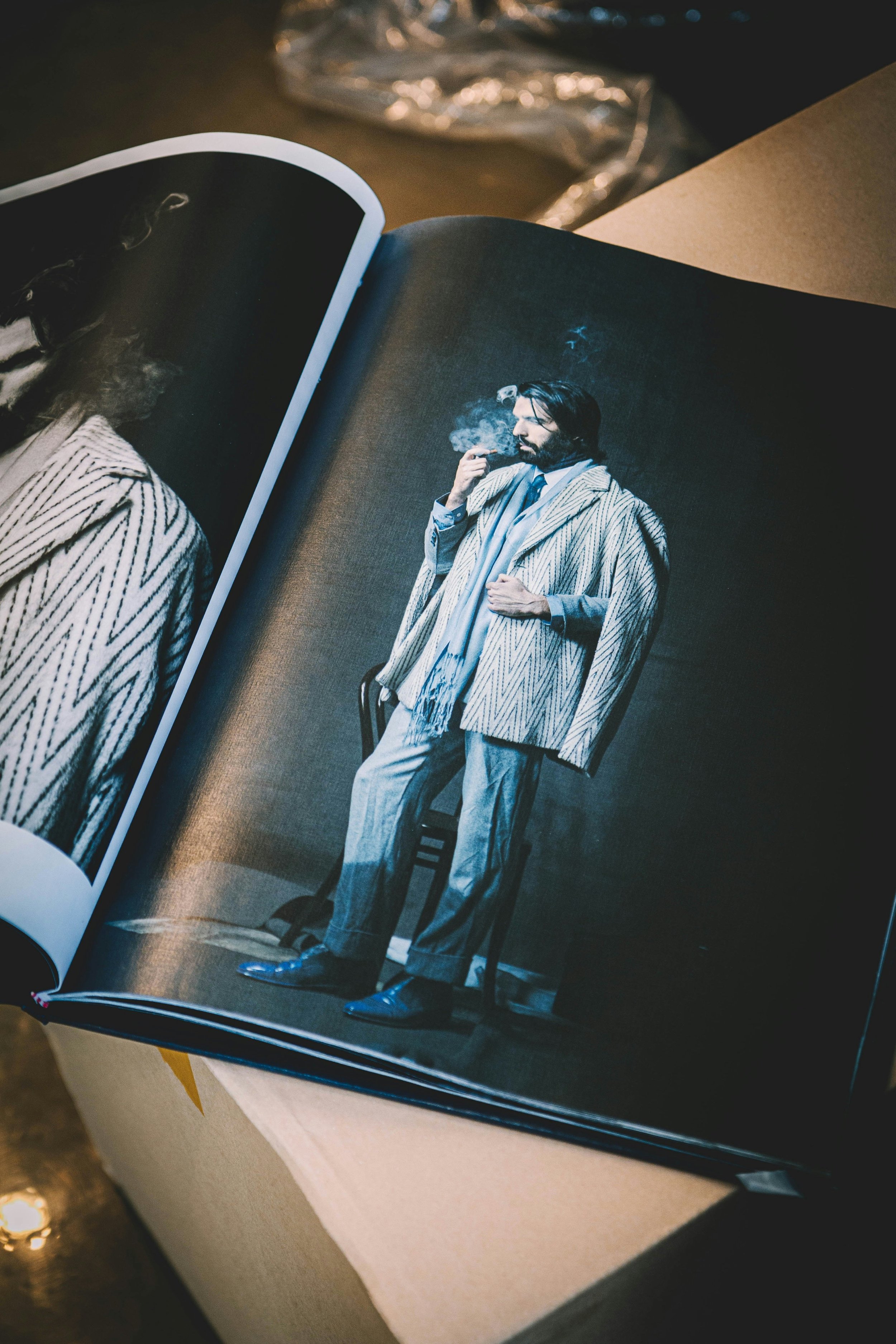
Why Do Printed Fashion Portfolios Still Matter in a Digital World?
Fashion portfolios have changed dramatically over the past decade. Designers, stylists, photographers and models can now showcase their work through websites, social media profiles and digital presentations. A single online portfolio can reach potential collaborators anywhere in the world, making digital visibility an essential part of building a career.
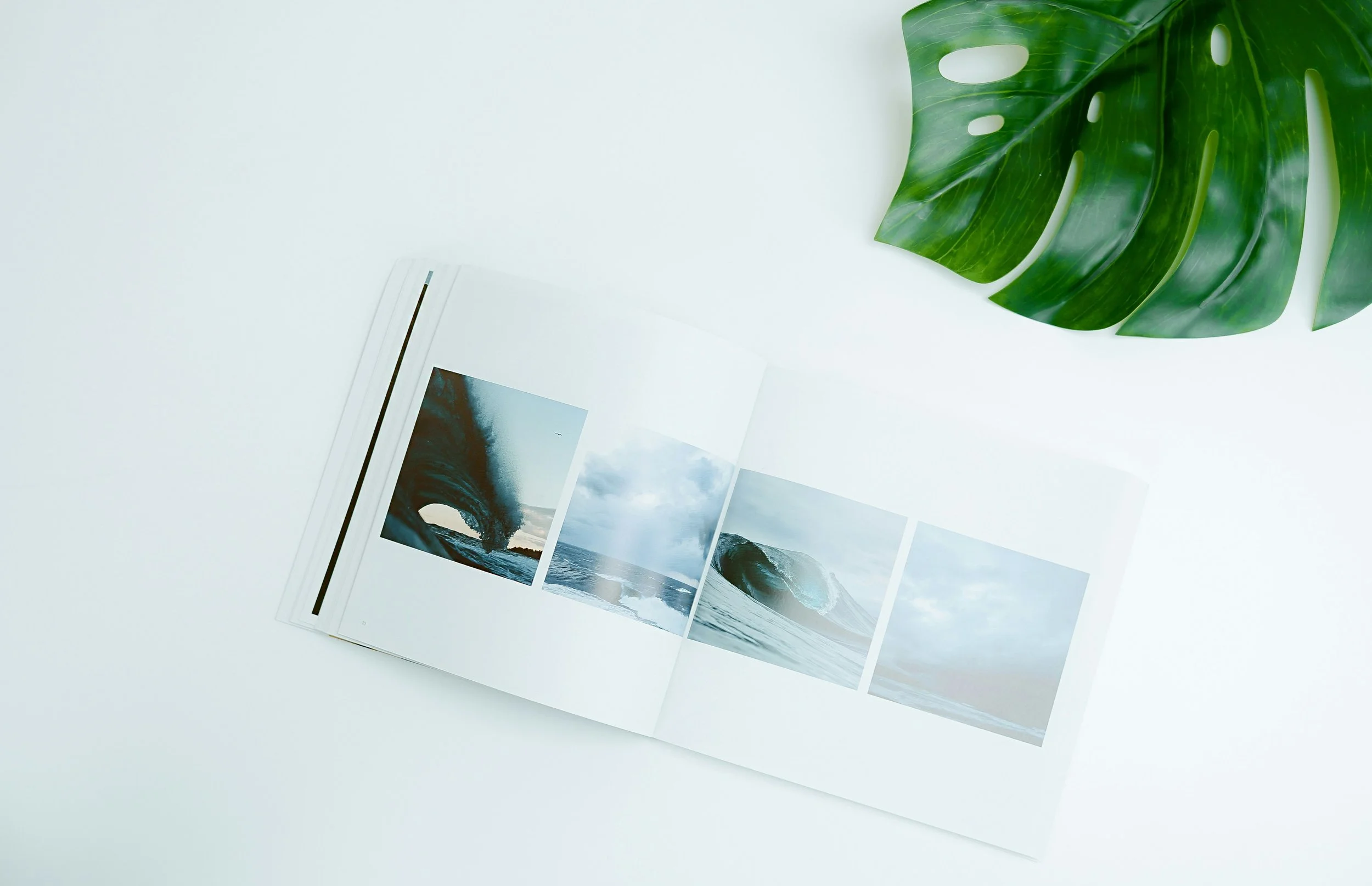
Yet printed portfolios continue to hold a valuable place in the fashion industry. During interviews, creative meetings and portfolio reviews, a beautifully presented collection of physical images offers an experience that scrolling through a screen cannot entirely reproduce.
Print allows professionals to control the sequence, scale and presentation of their work while giving viewers an opportunity to examine details without digital distractions.
The most effective approach is not choosing between print and digital formats. It is understanding when a physical portfolio can strengthen your presentation and how to create one that leaves a memorable impression.
A Printed Portfolio Creates a More Personal First Impression
When meeting a creative director, prospective employer or fashion client, the way you present your work can influence how it is received.
Opening a carefully organised portfolio creates a deliberate viewing experience. Instead of navigating multiple browser tabs or waiting for images to load, the viewer can concentrate on each project.
Presentation quality begins with suitable printing materials. Professional paper, accurate colour reproduction and consistent page sizes help photographs and design work appear cohesive.
Fashion professionals preparing printed presentations can explore supplylinkusa.com for office and printing supplies that support the practical preparation of professional materials. Having suitable supplies available makes it easier to produce updated portfolio pages, presentation notes and supporting documents before important meetings.
Consider using a portfolio case with removable sleeves or a professionally bound book. Both can look polished, although removable pages provide greater flexibility when updating your work.
Physical Prints Reveal Details That Screens Can Overlook
Fashion is an intensely visual industry, but the quality of an image depends partly on how it is displayed.
Computer screens differ in brightness, colour calibration and resolution. A photograph that looks vibrant on one device may appear noticeably different on another.
Printed images offer a consistent physical reference when produced using appropriate equipment and colour-managed workflows.
This becomes particularly valuable for fashion photographers showcasing fabric textures, intricate embroidery or carefully controlled lighting.
A full-page editorial photograph can reveal composition and garment details that are difficult to appreciate on a small screen.
Choose paper according to the character of your work. Matte finishes often suit understated editorial photography, while carefully selected lustre finishes can complement images featuring rich colours and fine detail.
Before printing an entire portfolio, order test prints of several important images. Examine skin tones, shadows and garment colours under neutral lighting to identify adjustments.
These preparations can help the finished collection communicate your intended visual style.
The Order of Your Work Tells a Creative Story
A strong printed portfolio is more than a collection of attractive photographs. The sequence should guide viewers through your creative abilities and professional identity.
Start with an image that immediately communicates your strongest work. For a fashion photographer, this might be a distinctive editorial portrait. A stylist could begin with a complete look that demonstrates an individual approach to colour and silhouette.
Follow with projects that reveal different strengths without repeating similar compositions.
For example, placing a minimalist studio shoot beside an elaborate outdoor editorial can demonstrate versatility while maintaining visual interest.
Consider how facing pages interact. Two photographs with competing colours or compositions may distract from one another, while complementary images can create an effective visual rhythm.
Finish with another strong project rather than allowing the portfolio to gradually lose momentum.
A printed format encourages this careful editing because every page must justify its place.
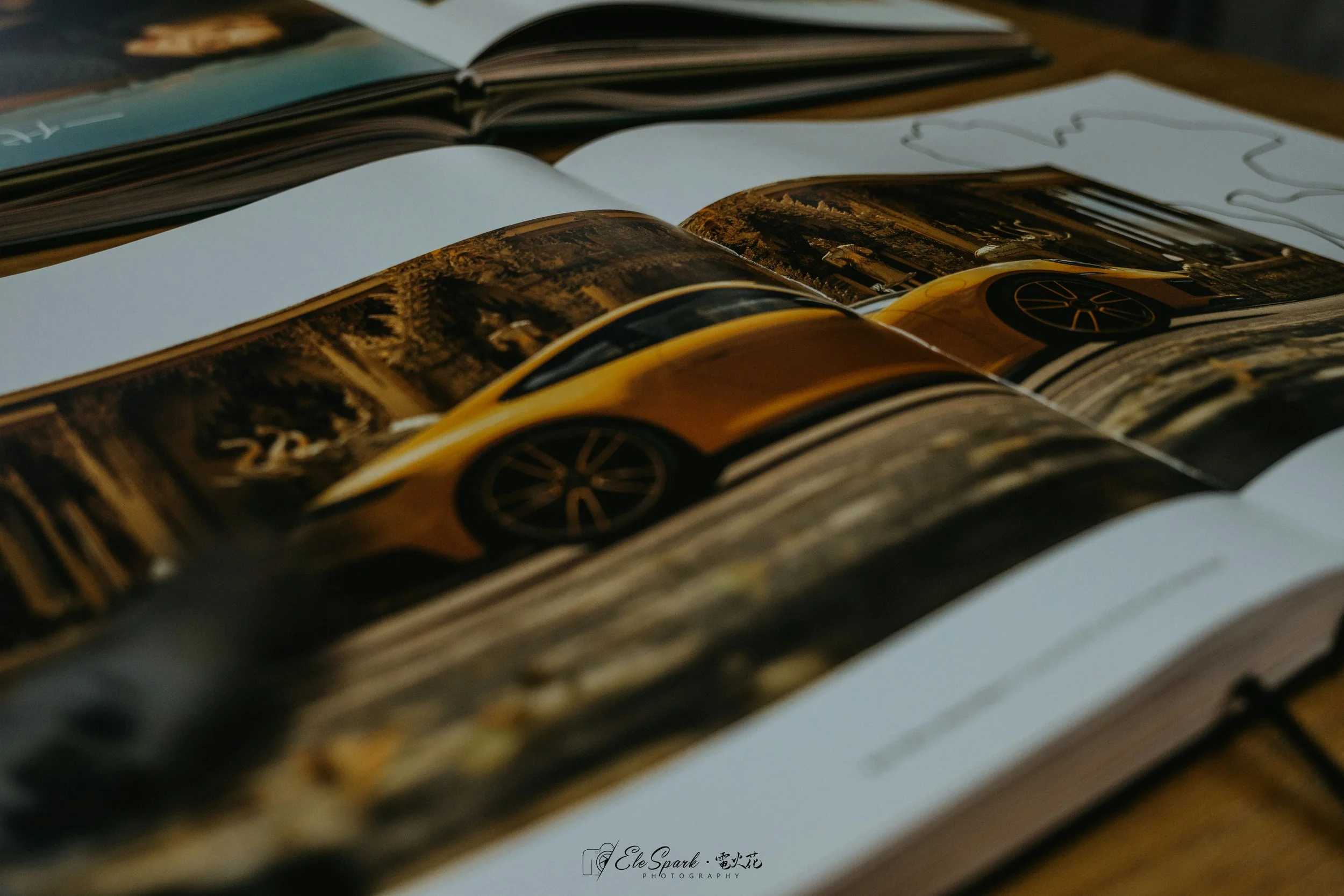
Portfolio Reviews Become More Engaging With Physical Work
In-person portfolio reviews provide opportunities to discuss creative decisions, explain projects and establish professional relationships.
A physical portfolio can support these conversations by allowing reviewers to move between images and examine particular details.
Imagine discussing a fashion campaign where lighting, styling and location were carefully coordinated. Showing two related photographs side by side makes it easier to explain how the visual concept developed.
Printed work can also encourage more focused discussion. A reviewer may stop at an unexpected image, ask about a styling decision or return to an earlier project for comparison.
Prepare short explanations for your strongest pieces, including the creative brief, your responsibilities and any notable challenges.
Avoid turning the review into a memorised presentation. Allow the viewer's questions to influence the conversation.
Your portfolio should provide evidence of your abilities while leaving space for your personality and professional judgement to emerge.
A Printed Portfolio Can Complement Your Digital Presence
Printed portfolios are most useful when they form part of a broader professional presentation strategy.
Your website can contain extensive galleries, recent collaborations and contact information. Social media can communicate behind-the-scenes activity and introduce new work to a wider audience.
A printed portfolio, meanwhile, can present a carefully edited selection tailored to a particular meeting.
For instance, a stylist applying for commercial fashion work might prepare a collection emphasising clean product-focused imagery. For an editorial opportunity, the same stylist could prioritise conceptual projects and creative collaborations.
Include a discreet contact page or business card with a QR code linking to your current online portfolio.
This allows viewers to explore additional work after the meeting without overcrowding the printed presentation.
Keep both formats consistent in visual identity, typography and project descriptions so that potential collaborators recognise your work across different channels.
Thoughtful Preparation Makes a Portfolio Worth Keeping
An effective printed portfolio requires regular maintenance, particularly in an industry where creative work evolves quickly.
Review your collection after completing significant projects. Replace older images when new work demonstrates greater skill or better represents the direction you want your career to take.
Pay attention to practical details before every meeting. Check for fingerprints, damaged sleeves, loose pages and outdated contact information.
Transport the portfolio in a protective case, especially when travelling between studios, interviews or fashion events.
It is also useful to maintain a digital backup containing print-ready versions of your selected images. This makes future replacements and adjustments considerably easier.
Ultimately, printed fashion portfolios remain relevant because they create an intentional, tangible experience around creative work. They encourage careful selection, reveal visual details and support meaningful professional conversations.
Digital platforms may introduce your work to a wider audience, but a thoughtfully prepared physical portfolio can make that work particularly memorable when the opportunity to meet someone face to face arrives.