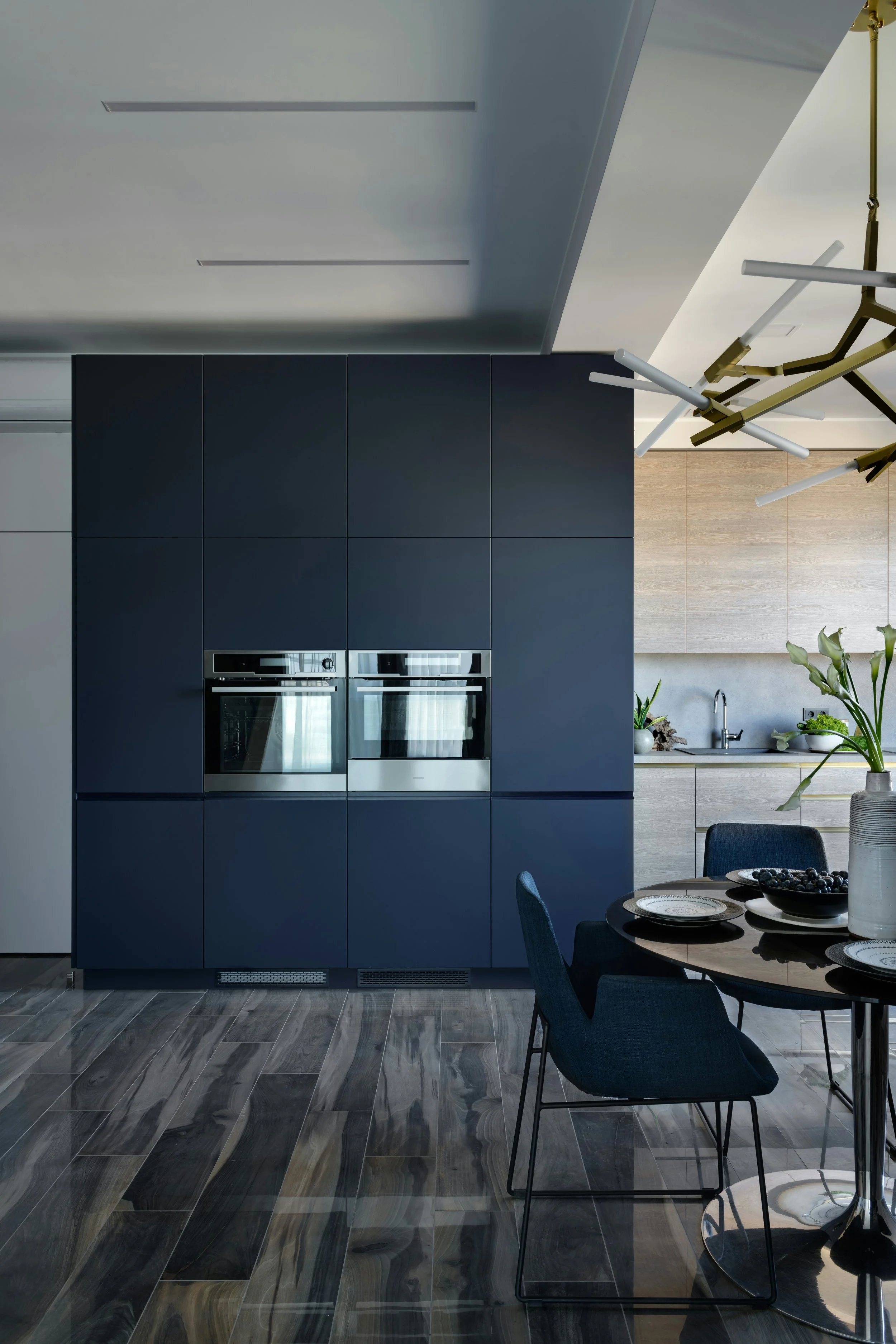
Why Wall Sconces Are Becoming the Most Personal Light in the Home
There is a moment, right after sunset, when a well-lit room comes into its own. The ceiling light stays off, and soft pools of light glow at eye level along the walls. Art looks richer, faces look warmer, and the whole space feels calm. More and more designers create that mood with wall lights, and a fine pair of luxury wall sconces can now carry as much character as a chandelier or a piece of sculpture. They sit close to us, at the height where we read, talk, and unwind. That closeness is what makes them feel so personal.
Light at the Height Where We Live
Many homes still lean on one fixture in the middle of the ceiling. It fills the room with even light and leaves the corners a little flat. Wall sconces work at a human scale. They place light near the height of a person who sits or stands, so it falls across the room in a soft and natural way. The effect feels close to candlelight or the glow of a late summer evening. Perhaps that is why they have found such a firm place in modern interiors.
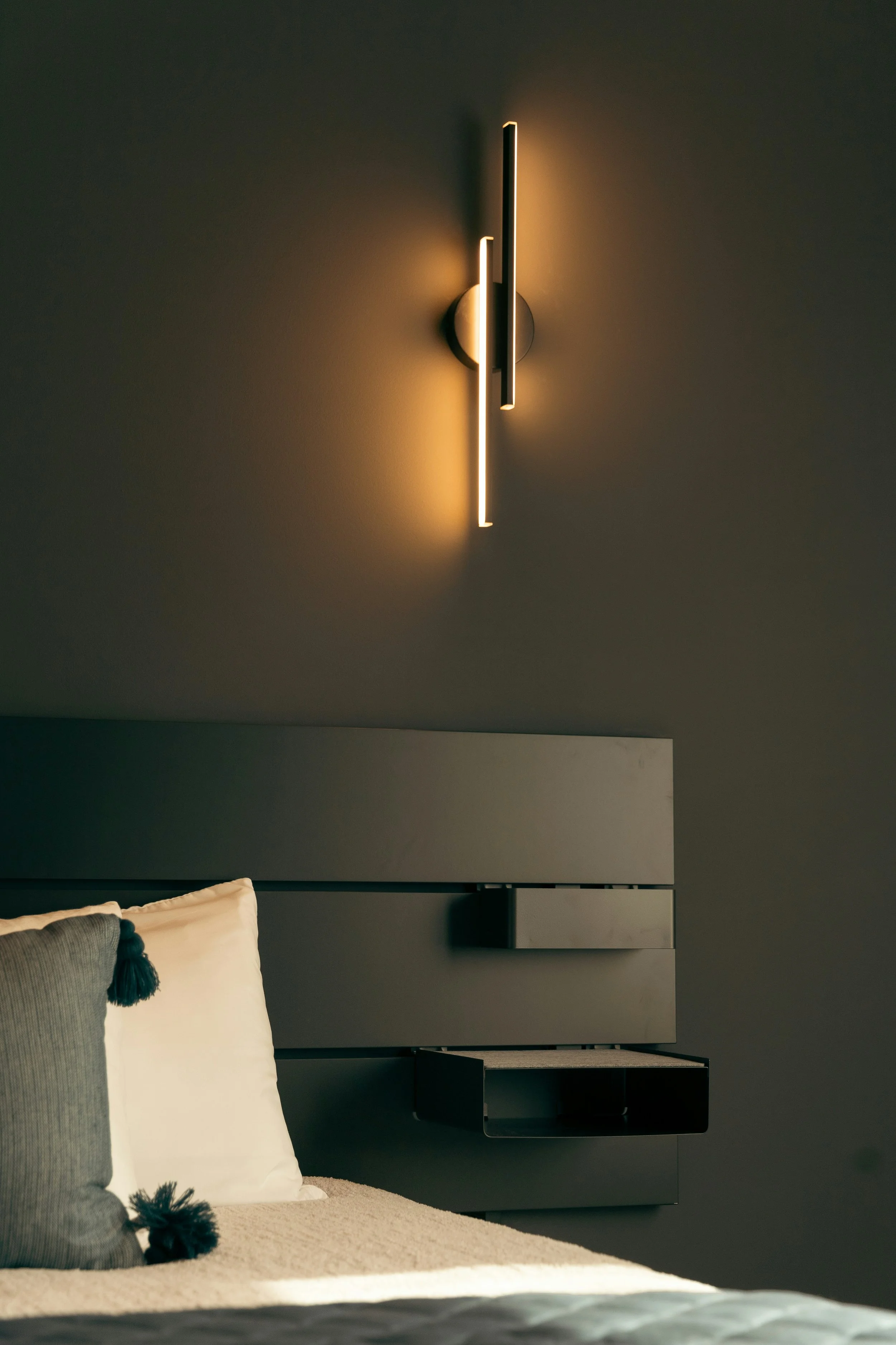
Sconces also free up space. A pair of swing-arm lights beside the bed clears room on small nightstands for books, a glass of water, and the things you reach for at night. In a narrow hallway, a row of slim wall lights guides the way with no lamps to trip over. In a dining room, a pair on each side of a sideboard or a large mirror frames the wall like a stage. The table can then glow under candles while the walls hold a gentle wash of light.
Materials That Hold the Eye
Part of the appeal lies in what the sconce is made of. A wall light sits at eye level, so people see it up close, and the finish matters. Alabaster gives off a soft, milky glow that seems to come from within the stone. Brass catches the light and warms over time, gaining a patina that many collectors prize. Hand-blown glass can be clear and crisp or tinted in amber and smoke. Ceramic adds a handmade touch. Woven jute or rattan brings warmth and texture to a relaxed or coastal room.
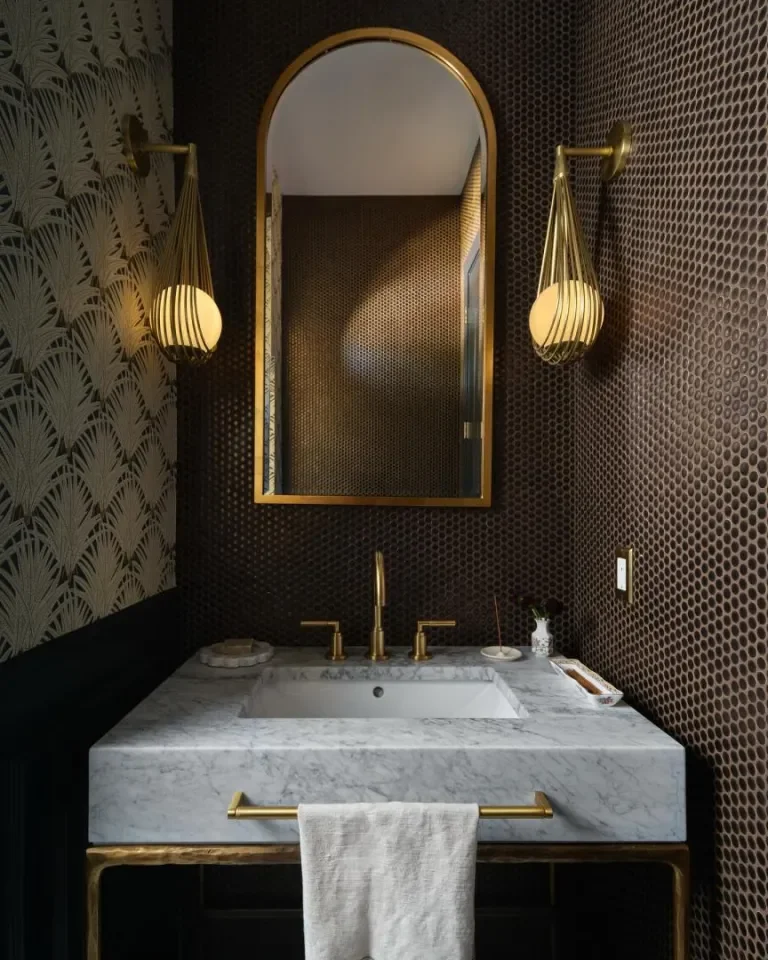
Style follows the same logic. An Art Deco fan of fluted glass suits a glamorous dressing room. A slim, linear design in blackened steel feels at home in a minimal loft. A sculpted form with an organic curve can serve as art on a bare wall, lit or unlit. The best choices tend to echo something else in the room. That might be the curve of a mirror, the metal of a cabinet pull, or the tone of a stone basin. Such a link makes the sconce feel like part of the design story from the start.
Scale, Rhythm, and Balance
Size plays a big role in how a sconce reads on the wall. A tiny fixture on a tall, open wall can look lost, and an oversized one in a narrow hall can feel heavy. Hold a paper cutout of the fixture against the wall before you commit. Step back across the room and see how it sits with the furniture and art nearby.
Rhythm matters as well. Pairs feel calm and formal, so they suit beds, mirrors, fireplaces, and doorways. A single sconce can mark a reading chair or light a small niche. In long halls or stairways, a row of matching lights spaced at even gaps creates a sense of order that guides the eye forward. Sconces also work best as one layer among several. Pair them with table lamps, a ceiling light, or picture lights so each room has a few ways to glow.
Getting the Details Right
A few practical points help a sconce look its best. In living spaces and hallways, designers often mount wall lights about 60 to 66 inches from the floor, or about 150 to 170 centimetres, so the light sits near eye level. Beside a bed, the height depends on the bed and how you like to read. Many people place reading lights a little lower. In a bathroom, a sconce on each side of the mirror, close to face height, lights the face from both sides and avoids the hard shadows of a single overhead light. Bathroom fixtures need the right damp rating, and any hardwired light calls for a licensed electrician.
Plug-in sconces have grown in favour, too. They suit renters and rooms where new wiring is hard to add. A neat cord cover painted to match the wall keeps the look clean. Whatever the style, choose warm bulbs in the 2700K to 3000K range for living spaces, and add dimmers where you can. The power to lower the light as the evening deepens is what turns a room into a retreat.
Wall sconces suit a way of living that values comfort, craft, and mood. They let you shape light around the moments that matter, from a quiet book in bed to a long dinner with friends. Choose a design you love to look at in daylight, place it with care, and it will reward you each evening.