5 Best San Francisco Food Photographers for Professional Brand Visuals
Food photography looks simple right up until you pay for it. A lot of Bay Area brands have learned that the expensive way: a full day booked, a stylist on the clock, and a gallery that comes back technically fine and completely unusable.
San Francisco makes it harder than most cities, mostly because there is so much of it here. New restaurants, CPG brands chasing a Whole Foods shelf, delivery startups with a launch date, all of them needing images in whatever crop the platforms favor this quarter. Meanwhile the subject is falling apart. Ice cream gives you a few minutes under a key light. Herbs wilt, sauce skins over, and the plate that looked perfect ninety seconds ago needs a reset. Plenty of photographers in this city can light a burger beautifully, so choosing between them has surprisingly little to do with the burger.
We went through portfolios, asked clients what the process was actually like, and checked what each studio includes before the extras start getting billed. Five names came out of it.
How this ranking was put together
Public-facing information was gathered for each option, pulling from portfolios, review platforms, studio websites, and client testimonials. Only photographers with a clear, demonstrated track record in food and beverage work made the cut.
Christina Schmidhofer Photography - Best for food and beverage brands needing full video production alongside photography
Joseph Weaver - Best for restaurant and hotel visual content in the Bay Area
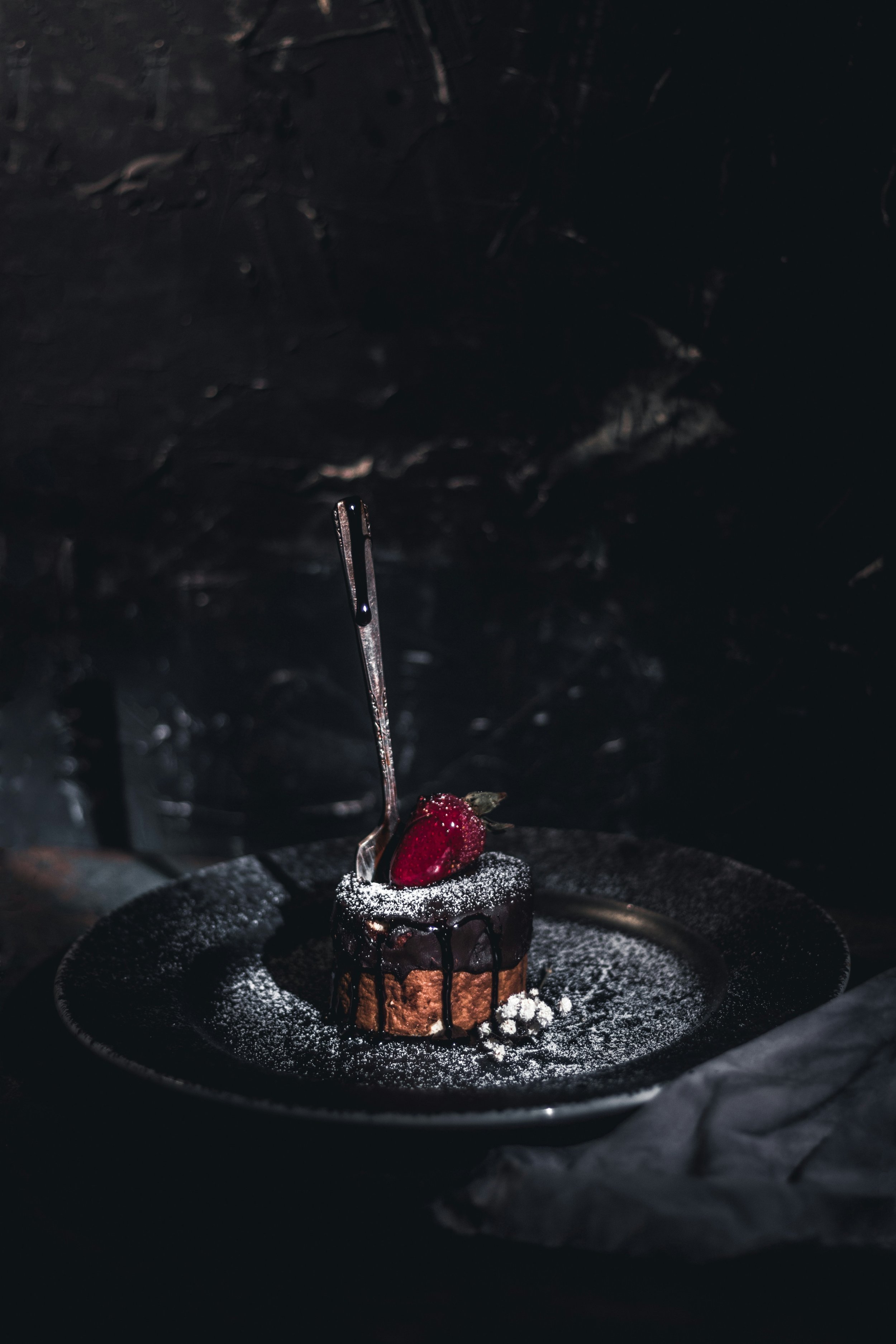
A Few Good Clicks - Best for food brands wanting a distinctive, moody editorial style
Nicole Morrison - Best for commercial food and drink photography with motion content
LemonAD Media Services - Best for restaurant and hospitality brand photography
Why San Francisco Food Photographers Are Worth a Closer Look
The Bay Area has no shortage of good food photographers, which sounds like a nice problem until you have to choose one. Shortlisting takes real hours, and it goes faster if you know what your brand needs before you start looking.
Part of what you are paying for is currency. What performed on Instagram two years ago does not perform now, and a photographer already shooting for current formats saves you a reshoot you had not budgeted for.
The rest is food knowledge. A general commercial shooter can light a product beautifully and still not know the sauce goes on last, or that a cut loaf stops looking right about twenty minutes in. Food experience shows up in small decisions that make a dish look like something you want to eat.
It compounds, too. Consistent, well-briefed shoots leave you with a library you can cut for menus, paid social, and a pitch deck, instead of a folder of one-offs that only ever worked in one place.
Comparing the 5 Best San Francisco Food Photographers
Note: All data in this table is sourced from review platforms and the official websites of the listed companies.
Christina Schmidhofer Photography - Best for Brands That Need Photo and Video From One Team
How Does Christina Schmidhofer Photography Operate?
Christina Schmidhofer runs a commercial food and product studio in the Mission District. The work covers savory and sweet product shots, drinks, ingredients, lifestyle imagery, and wine country content, and the studio takes jobs across the Bay Area, up into Napa and down to Santa Clara.
Clients are mostly restaurants, beverage brands, and CPG companies. The capability most local shooters can't match is video, which is produced in house, so a campaign that needs stills and motion doesn't need two vendors.
What Sets Christina Schmidhofer Photography Apart from Other San Francisco Food Photographers?
Splitting photo and video between two vendors is normal, and it's usually where the look starts drifting. Two lighting setups, two readings of the same brand guidelines, two schedules to line up. Running both through one studio keeps the visual language consistent and reduces the whole thing to one point of contact.
What Users Are Actually Saying:
The studio positions itself around bringing client visions to life with professional experience and genuine creativity. From the available feedback, clients respond well to that combination of artistic direction and practical execution. That collaborative, client-first approach is what brands with strong visual identities tend to look for in a long-term creative partner.
Joseph Weaver - Best for Restaurant and Hotel Visual Content in the Bay Area
How Does Joseph Weaver Operate?
Joseph Weaver Photography focuses on food and beverage photography built for the hospitality industry. Working across the San Francisco Bay Area, they create visual content for restaurants, hotels, and high-end dining venues. Their portfolio includes work with Four Seasons Wailea, Bestia, and The Harbor House Inn Restaurant (not cheap clientele to land, and a clear signal of where their strengths are). The work is tailored to the specific visual demands of premium hospitality, where atmosphere and plating both need to read clearly on screen.
What Sets Joseph Weaver Apart from Other San Francisco Food Photographers?
Restaurants and hotels have very specific visual content needs that go beyond just making food look appealing, and Joseph Weaver's focused client roster shows they understand that distinction. Their track record with premium establishments gives hospitality clients real confidence that the resulting imagery will match the caliber of their brand.
What Users Are Actually Saying:
Detailed public reviews aren't widely available for Joseph Weaver, but the portfolio speaks with a fair amount of authority on its own. Their clientele tends to be established and discerning, which usually means repeat bookings and a high bar for quality maintained across every shoot.
A Few Good Clicks - Best for Food Brands Wanting a Distinctive, Moody Editorial Style
How Does A Few Good Clicks Operate?
A Few Good Clicks offers food photography as a main service alongside wedding and portrait work, covering both the San Francisco Bay Area and Hawaii (including Kauai and Maui). Their defined aesthetic, which they describe as "Arty Moody Edgy Timeless," gives their food imagery a strong editorial quality that stands out from the cleaner, more commercial styles most Bay Area shooters default to. They offer customizable packages, giving food brands some flexibility in how they structure a shoot. That multi-region presence also makes them a practical option for brands that shoot in multiple locations.
What Sets A Few Good Clicks Apart from Other San Francisco Food Photographers?
Brands that need food imagery with real visual personality, rather than clean-but-forgettable product shots, will find their "Arty Moody Edgy Timeless" approach genuinely useful for social content and editorial placements. That kind of committed aesthetic direction is rare among photographers who also serve multiple categories, and it keeps their food work from feeling generic.
What Users Are Actually Saying:
Public reviews are limited for A Few Good Clicks, so the portfolio carries most of the weight here. From the available work, their styling decisions are deliberate and consistent, which suggests a photographer with a clear point of view rather than just technical competence.
Nicole Morrison - Best for Commercial Food and Drink Photography with Motion Content
How Does Nicole Morrison Operate?
Nicole Morrison is a commercial food, product, and lifestyle photographer based in the San Francisco Bay Area. She covers food and drink photography, product and still life work, people photography, and motion and GIF content creation. That last capability is worth noting because most food photographers don't offer it, and brands running social campaigns increasingly need looping video and animated content alongside stills. Her commercial focus keeps the work firmly in brand-ready territory rather than editorial or personal project territory.
What Sets Nicole Morrison Apart from Other San Francisco Food Photographers?
Food brands running active social media campaigns often hit a wall when their photographer can deliver stills but not the motion content those platforms now prioritize. Nicole Morrison's ability to produce motion and GIF content alongside traditional food and drink photography means clients can brief one person and get a full content package back.
What Users Are Actually Saying:
Specific public reviews aren't readily available, but her defined specialization across multiple commercial formats points to a practice built around repeat commercial clients rather than one-off work. Brands looking for a single point of contact for varied content types will find her setup practical.
LemonAD Media Services - Best for Restaurant and Hospitality Brand Photography
How Does LemonAD Media Services Operate?
LemonAD Media Services is a husband-and-wife team focused exclusively on food and beverage photography for the San Francisco Bay Area hospitality industry. Their services cover food photography, cocktail and beverage photography, restaurant staff photography, and interior and exterior venue photography. They follow a collaborative four-step process designed to make sure the final visuals actually reflect the guest experience, not just what looks good under studio lights. Their portfolio includes work with Sobre Mesa Restaurant and The Black Cat Bar & Lounge, which shows they're experienced with established local brands.
What Sets LemonAD Media Services Apart from Other San Francisco Food Photographers?
Restaurants often need more than food shots. They need a complete visual identity that covers staff, space, and menu, and LemonAD's service range addresses that as a single package. Their collaborative process also reduces the back-and-forth that typically adds time and budget to hospitality shoots, which is a genuine practical advantage.
What Users Are Actually Saying:
Public reviews specific to LemonAD are limited, but their narrow vertical focus and proven client roster in the Bay Area hospitality space give a clear picture of where they perform best. They're built for restaurants and venues that want a photographer who already understands the industry, rather than a generalist learning on the job.
Methodology Behind These Picks
How We Built the Longlist
We started wide. Local creative directories, photography listing platforms, Google Business profiles, and public social portfolios all went on the list, because the most advertised names are not automatically the best ones and we wanted enough options to make the comparison mean something. For each photographer we checked the site, the portfolio, and the stated service area to confirm two things: food is a real part of their business, and they take Bay Area work.
The Shortlist Cut
Then we cut. Out went anyone whose portfolio treated food as an occasional category rather than a focus, and anyone whose public information was too thin to judge fairly. Where clients had left reviews, we read them for patterns instead of scores, mostly around communication, turnaround, and whether the final images matched the brief. Repeat bookings counted for a lot. A photographer a restaurant group hires three times has passed a test no portfolio can show you.
Fact-Checking the Picks
Studio websites claim a lot. We checked those claims against the portfolios and against anything third parties had published. If a photographer said they shoot hospitality, the work had to be there. Same for production capability, service areas, and client types. Where the site promised more than the evidence supported, the gap counted against them.
Authority Signals and Industry Standing
We also looked outside the portfolio: editorial placements, features in food and lifestyle publications, local press, and recognition from others in the industry. Work that appears somewhere other than a photographer's own website is a different quality of evidence. Client rosters mattered here too, since a recognizable hospitality group or CPG brand has usually run its own vetting first.
Track Record
The last filter was time. We looked for dedicated food and beverage service pages, named Bay Area clients, and project write-ups with enough detail to tell what the shoot was for. A few strong food images inside a general commercial portfolio is not the same as years of food work. The five below have the longer record.
Picking the Right San Francisco Food Photographers for You
Everyone on this list can take a great food image. The difference is fit, so the thing to work out is which one suits your project, your budget, and the way your brand talks. Five things to check before you book:
Industry experience. Look at who they already shoot for. Someone lighting fine dining every week approaches a fast casual menu shoot differently. Neither is wrong, but you want evidence they've done your version.
What's included. Some studios deliver stills and stop. Others cover video, motion, and venue work in one booking. Decide what the campaign needs first, because adding video to a stills shoot after the fact costs more than briefing it in.
Pricing. Day rates here vary widely, and studios with broader services and bigger client lists sit at the top of the range. Ask early what a day covers and what gets billed on top.
How they think about results. Good photographers ask where the images are going before they ask what you want them to look like. If someone only talks about the aesthetic, ask how they'd shoot the same dish for a menu board and a paid social ad.
Licensing and brand rules. Usage rights are where food shoots quietly go wrong. Check how long you can run the images, on which channels, and whether the photographer has worked inside brand guidelines or handled dietary and cultural sensitivities before.
Bottom Line
Five names, five different reasons to call. Christina Schmidhofer Photography if you need photo and video from one team. Joseph Weaver or LemonAD if you're a restaurant or hotel and want someone who has shot rooms as well as plates. Nicole Morrison if motion is the point rather than an add-on. A Few Good Clicks if the work needs to read editorial. Shortlist two, send both the same brief, and compare what comes back. Fit usually sorts itself out at the quoting stage.