
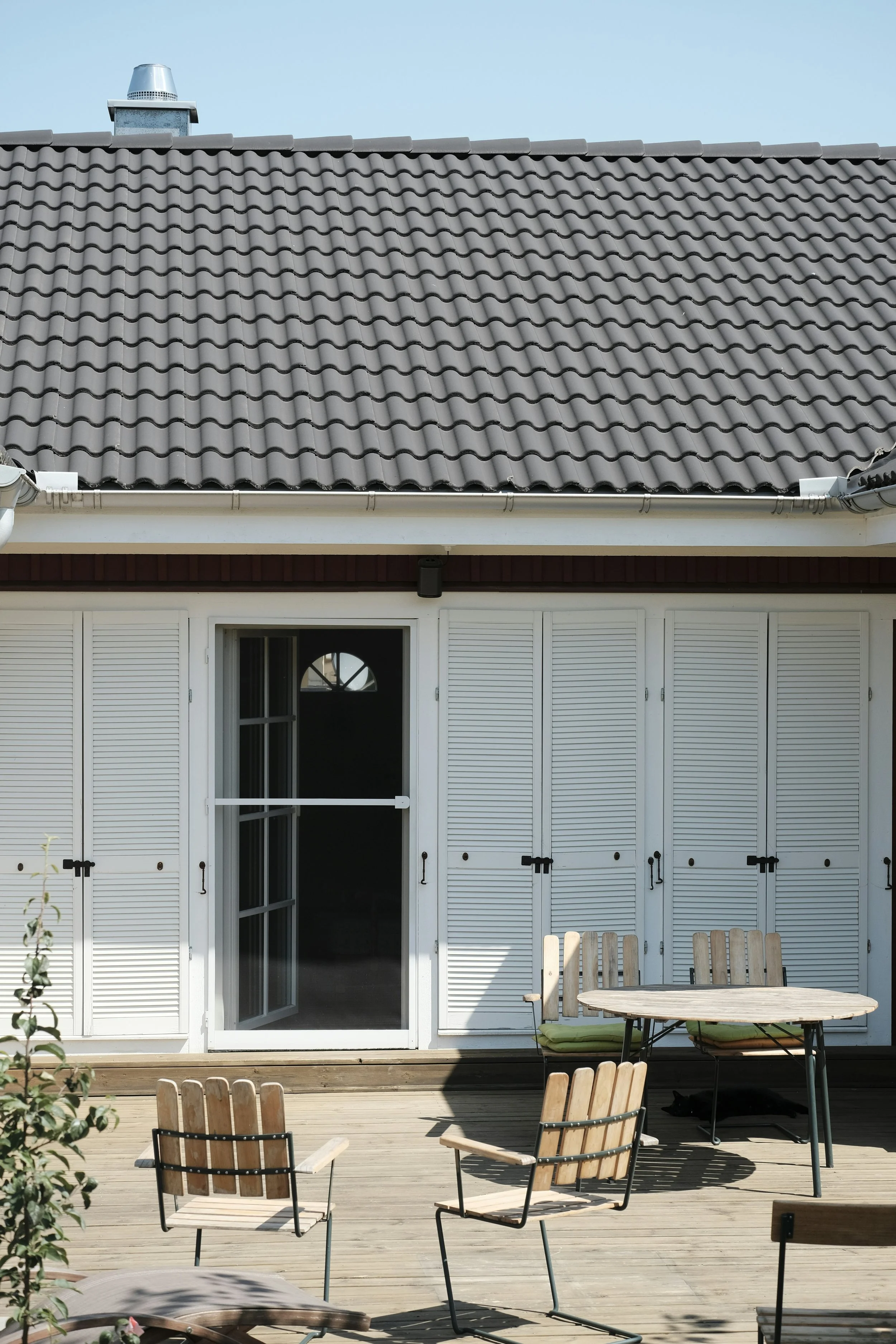
7 Roof Maintenance Tips for Modern Homeowners
Keeping a roof in prime shape protects your house against rainwater, wind, and harsh sun. Taking care of home upkeep on a scheduled basis prevents tiny issues from growing into expensive disasters. Simple routines protect your property value and keep your family dry inside.
Regular care extends the lifespan of common building materials. Following smart maintenance habits gives you peace of mind throughout every season.
Clean Out Your Gutters
Clogged gutters force heavy rain to pool along the edges of your roof. This standing moisture rots the wooden fascia boards and creates hidden leaks inside your home. Clean out gutters twice a year in the spring and fall.
Scoop out dead leaves, twigs, and built-up dirt to keep water flowing away from the house. Make sure downspouts direct rainwater at least 5 feet away from your foundation. Clear drainage channels prevent heavy ice dams from forming during freezing winter months.
Inspect Your Shingles
High winds and hail strip away protective coatings or lift shingles off the deck. Inspect your roof after major storms to catch damage before moisture spreads.
Look for cracked, curling, or missing shingles from the ground using binoculars. Contacting a Barkley-Jensen or another roofing company helps address structural issues before water reaches your ceiling. Prompt repairs preserve the overall integrity of your entire system.
Trim Overhanging Tree Branches
Trees near your house pose a constant threat to your roof structure. Heavy branches snap during high winds and smash straight through your decking.
Pruning back limbs creates a safe clearance zone above your home.
Cutting branches stops squirrels and raccoons from leaping onto your shingles.
Trimming limbs reduces the amount of falling leaves clogging your gutters.
Removing shade allows sunlight to dry out damp spots quickly.
Trimming trees back at least 10 feet keeps your home safer year-round. Cutting back branches stops abrasive leaves from scraping away protective granules on asphalt shingles.
Manage Attic Insulation and Airflow
Proper attic insulation and ventilation play a crucial role in protecting your roof and the overall structure of your home. Without adequate airflow, heat and moisture become trapped in the attic, creating conditions that can shorten the lifespan of roofing materials. Excessive heat can bake shingles from underneath, causing them to age prematurely, while high humidity levels can warp wooden rafters, encourage mold growth, and damage insulation.
To maintain a healthy attic environment, ensure your insulation meets at least an R-38 rating, or the level recommended for your climate. Equally important is maintaining continuous airflow from soffit vents along the eaves to ridge vents at the roof's peak.
This balanced ventilation system allows warm, moist air to escape while drawing in cooler, fresh air from outside. During the winter months, proper airflow also helps prevent the formation of destructive ice dams, which occur when uneven roof temperatures cause snow to melt and refreeze along the edges.
Check Sealants Around Openings
Every penetration through your roof, including vents, chimneys, skylights, plumbing pipes, and exhaust fans, creates a potential entry point for water. Flashing, sealants, and caulking are designed to keep these areas watertight, but they naturally deteriorate over time due to constant exposure to sunlight, rain, snow, temperature fluctuations, and strong winds.
Inspect the sealants and flashing around all roof openings at least once or twice a year, paying close attention to cracks, gaps, peeling, or hardened caulk that may no longer provide a reliable seal. If you notice any deterioration, reapply high-quality roofing sealant or replace damaged materials promptly to maintain proper protection against water intrusion.
Guard Against Water Wicking Under the Edge
The edges of your roof handle high volumes of water during heavy downpours. Proper overhangs direct rainfall straight into the gutters without hitting underlying wood.
Check the overhang to make sure water flows past the fascia board.
If it's too short, water might wick back into the fascia.
Install drip edges along the borders to channel runoff outward.
Replace soft or decaying fascia boards before installing fresh metal trim.
Correcting edge alignment shields structural boards from persistent moisture rot. Dripping water should clear the house completely.
Schedule Professional Maintenance Checks
Visual checks from the ground help, but standard homeowners miss subtle signs of wear. Professional roofers walk the surface to catch hidden soft spots and loose flashing.
Schedule roof system inspections at least twice per year, in the spring and fall, with an additional inspection after any severe storm involving strong winds or hail. Professional eyes catch minor defects before they transform into leaks.
A consistent maintenance routine can reduce repair costs by up to 50% and extend your roof's service life by 5-10 years. Investing a little time into proactive care saves thousands of dollars over the life of your home. Taking simple steps protects your investment and maintains a dry, secure living environment.