
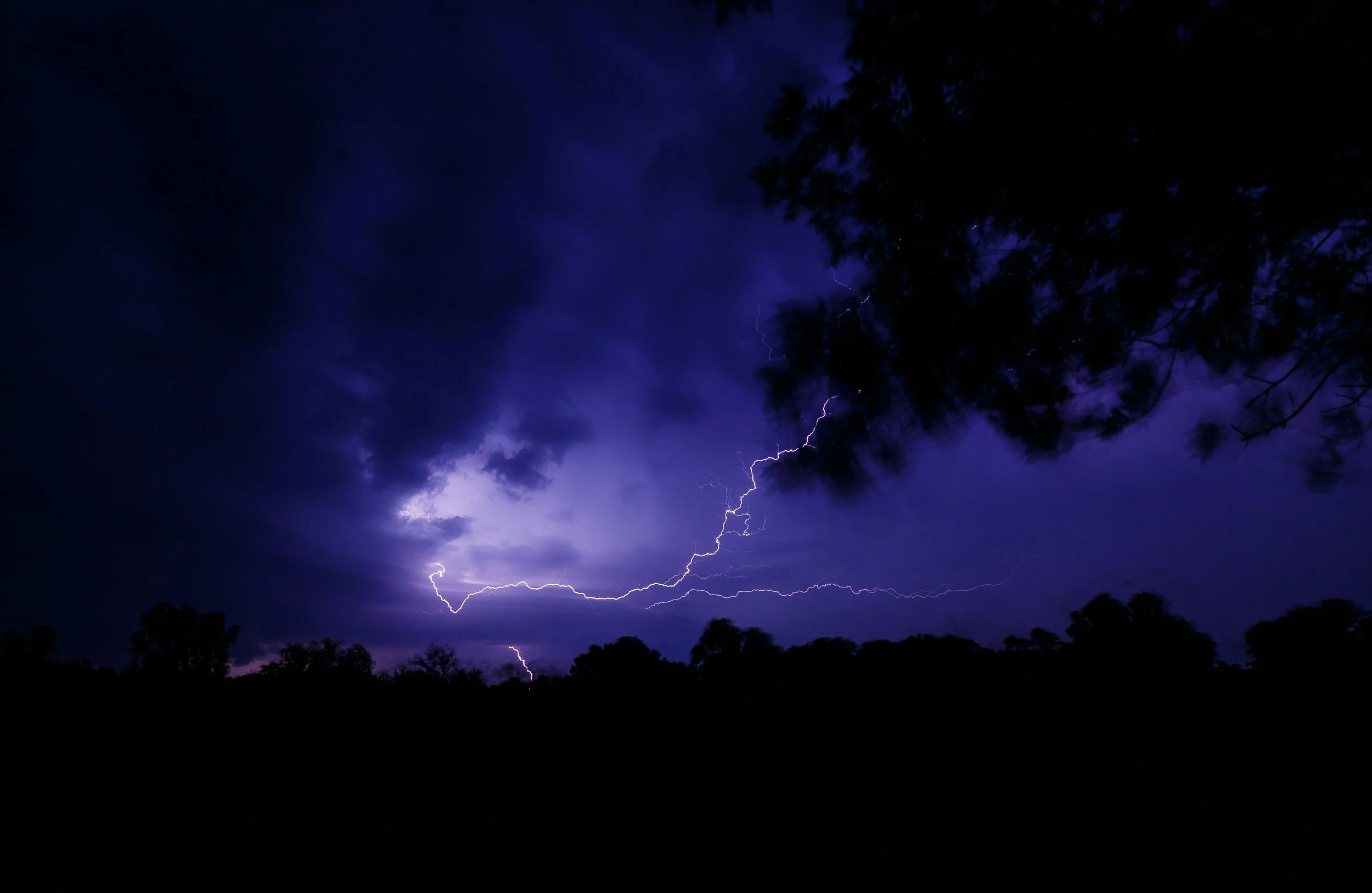
How Regular Maintenance Can Protect Your Home From Weather Damage
Severe weather can tear through a neighborhood in minutes, leaving behind costly structural issues and immense stress. Homes face relentless pressure from wind, rain, hail, and extreme temperatures all year round. Taking proactive steps to maintain your property is the best defense against these unpredictable climate events. Regular upkeep preserves your structural integrity, saves money over time, and keeps your family safe inside.
Identifying Hidden Vulnerabilities Around Your Exterior
Every home has spots that are naturally more prone to weather damage. Siding can warp or loosen after high winds, creating gaps where moisture sneaks inside. Windows and exterior doors often develop worn sealant, letting cool drafts in during winter and driving rain in during spring.
Foundation edges need clear drainage paths so water moves away from your basement walls. Checking these exterior zones twice a year helps you catch tiny cracks before they turn into major structural repairs.
Maintaining Your Roof to Defend Against Heavy Rain and Hail
Your roof takes the brunt of every storm, making it your primary shield against the elements. Inspecting shingles after severe weather helps identify loose or missing pieces that expose the underlayment to water. Working with roofing experts such as Johnson Restoration allows homeowners to spot subtle structural issues early. Taking care of small repairs right away keeps rainwater from pooling and leaking into your ceiling.
Neglecting your roof can quickly lead to astronomical financial burdens after a severe storm. In fact, a recent report from Verisk revealed that roof repair and replacement costs reached nearly $31 billion in 2024, representing a 30 percent increase over a two-year period. Investing in routine inspections prevents minor shingle damage from transforming into complete roof overhauls.
Clearing Gutters and Downspouts to Prevent Water Intrusion
Gutters direct thousands of gallons of rainwater away from your home each year. When leaves, twigs, and debris clog your gutters, water overflows and pools directly around your foundation.
Clean out debris every autumn and spring to ensure unrestricted water flow.
Check that downspout extensions carry runoff at least five feet away from exterior walls.
Secure loose gutter brackets so they can handle heavy downpours without sagging.
Install gutter guards if your yard features tall, leafy trees.
Overflown water can seep into basement walls, rot wooden soffits, and erode your landscaping. Keeping these drainage channels clear guarantees that storm runoff goes exactly where it belongs.
Tree Trimming and Yard Preparation for High Winds
Overhanging tree branches pose a massive risk to your home during windstorms and blizzards. Heavy limbs can snap under wind pressure or snow weight, crashing straight onto your roof or power lines.
Trimming dead or dying branches keeps your property safe and protects your neighbors too. Storing loose lawn furniture, garden tools, and heavy toys before a storm prevents them from becoming airborne projectiles.
Protecting Siding and Exterior Walls From Moisture
Exterior walls are designed to repel rain, but broken siding lets water settle into the framing. Rotting wood creates an open invitation for pests and mold, which spread rapidly behind drywall.
Applying fresh caulk around window frames, door trim, and pipe penetrations blocks moisture intrusion. Power washing your siding removes built-up grime and lets you inspect for hidden cracks or pest damage.
Preventing Ice Dams and Cold Weather Disasters
Cold winters bring frozen precipitation that can wreak havoc on your home structure. Poor attic insulation allows heat to escape, melting roof snow that refreezes into thick ice dams at your eaves.
These ice ridges trap melting water, forcing it upward underneath your shingles and into your living spaces. Adding proper attic insulation and sealing air leaks keeps your roof deck cool and stops ice buildup.
Insulating Exposed Water Lines
Freezing temperatures can burst exposed pipes in unheated basements, crawl spaces, or exterior walls. Water pipe bursts cause instant flooding and thousands of dollars in water damage within minutes. Wrapping vulnerable pipes in foam insulation sleeves keeps water moving safely through freezing spells.
The Financial Benefits of Proactive Maintenance
Spending a small amount on annual maintenance yields massive savings on emergency storm repairs. Fixing tiny issues as they arise keeps your home operating efficiently and protects your overall property value.
Replacing missing shingles is a quick fix that typically costs between $150 and $500.
Emergency storm repairs often require thousands of dollars in immediate out-of-pocket expenses.
Proactive maintenance preserves your home insurance coverage by demonstrating proper care.
Regular checks help you plan and budget for major upgrades rather than facing sudden crises.
Preventative upkeep transforms unpredictable weather events from terrifying disasters into manageable situations. Staying ahead of home repairs ensures your sanctuary remains strong, comfortable, and secure for years to come.
Taking care of your home is a continuous process that pays off every time a storm rolls through your neighborhood. Simple tasks like clearing gutters, inspecting your roof, and sealing window drafts make a world of difference when extreme weather hits. Setting aside time each season to check off maintenance items gives you peace of mind knowing your property is built to withstand the elements. Protect your investment today so your home stands strong tomorrow.