How Technology Is Changing Emergency Roadside Services
Getting stuck on the side of the highway used to mean long waits, broken payphones, and massive frustration. Drivers sat in suspense for hours without knowing when help would arrive or where the truck was coming from. Modern digital tools changed that experience completely. Today, drivers tap a screen on their phone and track assistance in real time. Connected platforms turn stressful vehicle breakdowns into manageable inconveniences.
Automated Crash Detection and Geolocation
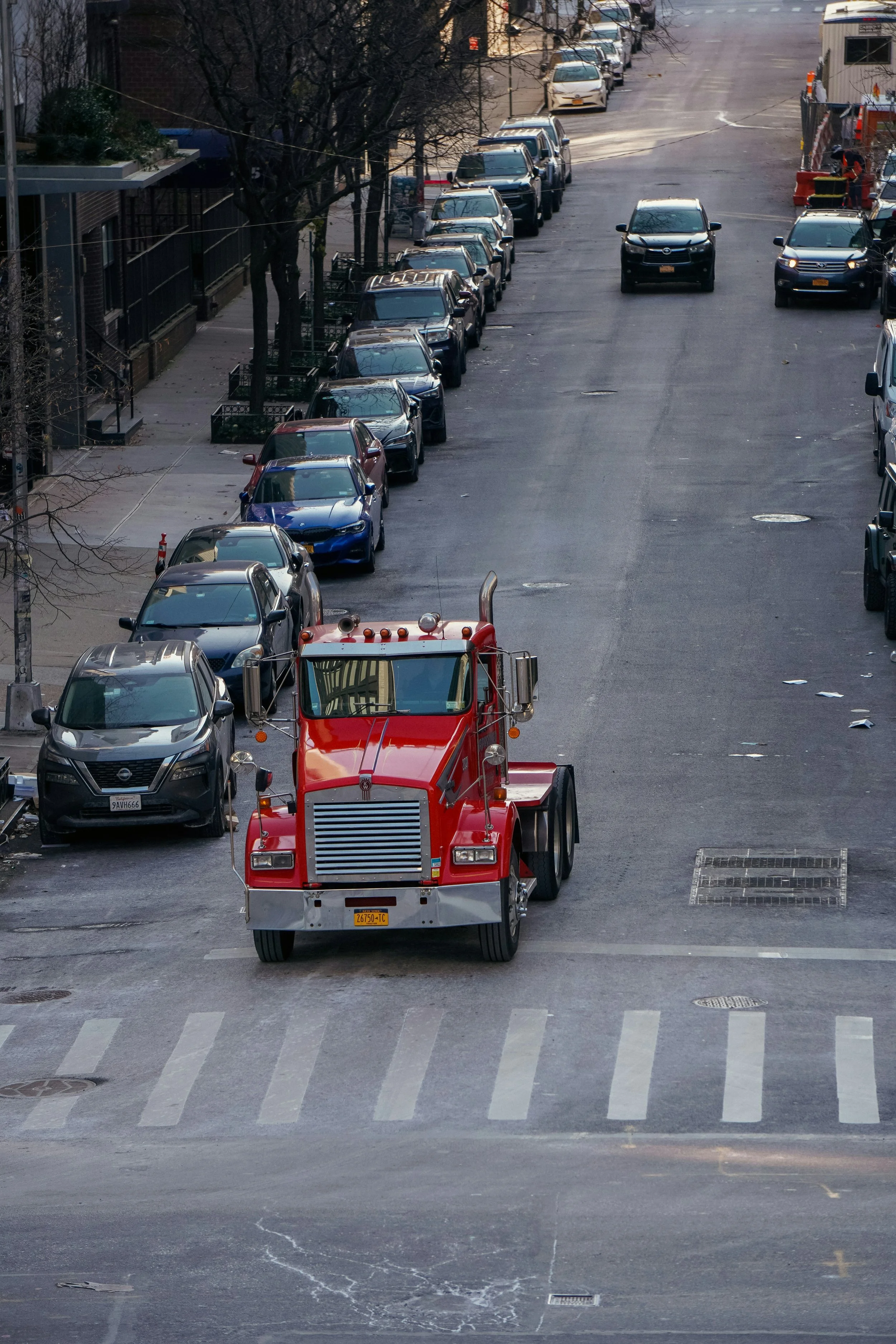
Sensors embedded in modern vehicles immediately detect severe impacts and rollover events. Drivers who need an emergency tow truck can rely on automated location sharing to pinpoint their vehicle instantly. Dispatchers receive precise coordinates without relying on confused directions from panicked motorists.
Smartphone sensors play a massive role in driver safety during unexpected highway emergencies. Research shows automated notification systems utilize mobile device sensors to detect vehicular accidents and transmit real-time GPS information to minimize response times. This technology eliminates guesswork during stressful moments on dark roads and keeps emergency workers informed.
Smart Dispatch Systems for Faster Arrival
Logistics platforms direct recovery teams using live traffic monitoring systems across busy metro areas. High-powered software calculates the fastest routes, taking active road construction, bad weather, and peak congestion into account. Drivers receive realistic arrival estimates directly on their mobile screens, reducing panic and uncertainty.
Video Diagnostics Before Arrival
Dispatchers do not rely solely on voice descriptions from panicked drivers anymore. A study highlights that towing and recovery personnel make use of live video to understand what equipment might be needed on-scene. Crews arrive fully prepared with flatbed trailers, heavy winches, or battery boosters without wasting extra trips.
Standard Digital Upgrades in Modern Fleet Vehicles
Roadside operators equip their fleets with advanced hardware to speed up recovery operations. Digital upgrades keep technicians connected to central networks throughout their shifts. Modern service vans operate as mobile command centers ready for complex roadside challenges.
Dashboards equipped with turn-by-turn satellite guidance systems
Wireless diagnostic tools to check vehicle error codes instantly on site
Mobile payment terminals for quick credit card transactions
Automated dispatch software that matches nearby drivers to open jobs
Technicians spend less time filing paper forms and more time assisting stranded drivers. Fast data transfer keeps recovery vehicles moving smoothly between service calls throughout the day. Digital tracking keeps fleet managers informed of vehicle locations at all times.
Artificial Intelligence and Predictive Maintenance
Modern vehicles constantly monitor their own mechanical health using onboard computer chips. Embedded computers track battery voltage, tire pressure, and engine temperatures continuously. Drivers receive clear warnings days before a mechanical component fails.
Predictive alerts prevent dangerous breakdown situations on busy highways during morning commutes. Vehicle telematics send maintenance reminders directly to smartphone apps before minor issues turn into major failures. Preventing a breakdown saves drivers hundreds of dollars in repair fees and towing charges. Modern roadside programs integrate with these maintenance systems to schedule service appointments automatically.
Automotive recovery services have transformed from a slow, unpredictable process into a streamlined digital experience. Connected vehicles, real-time GPS tracking, and smart diagnostics protect drivers every day. Clear communication tools remove stress during vehicle breakdowns. Motorists now enjoy total peace of mind knowing reliable help is just one click away.