
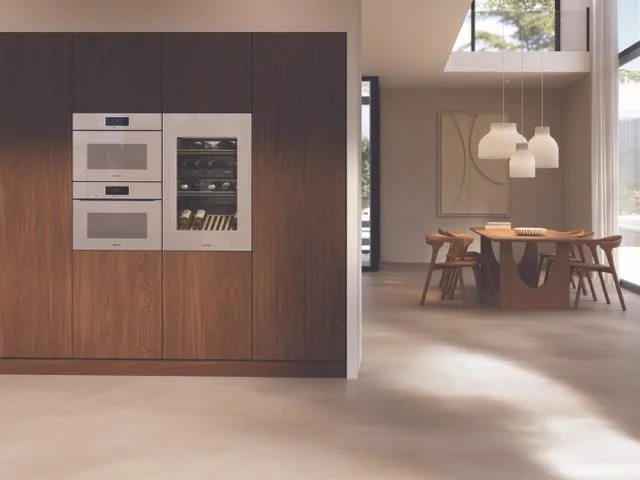
Miele: From cellar to centre stage
There was a time when wine storage meant a dedicated cellar tucked away from daily life. Today however, it has been integrated into the design of the modern kitchen – subtle, sleek, convenient and part of everyday life.
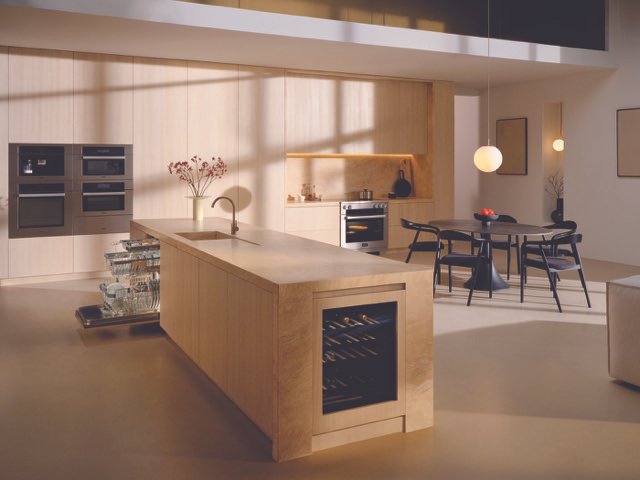
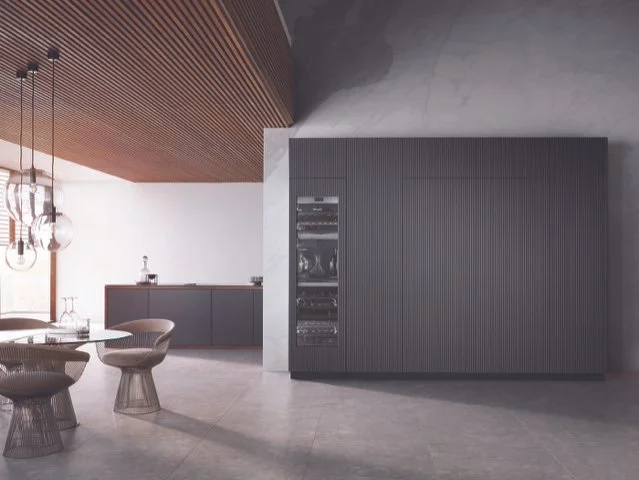
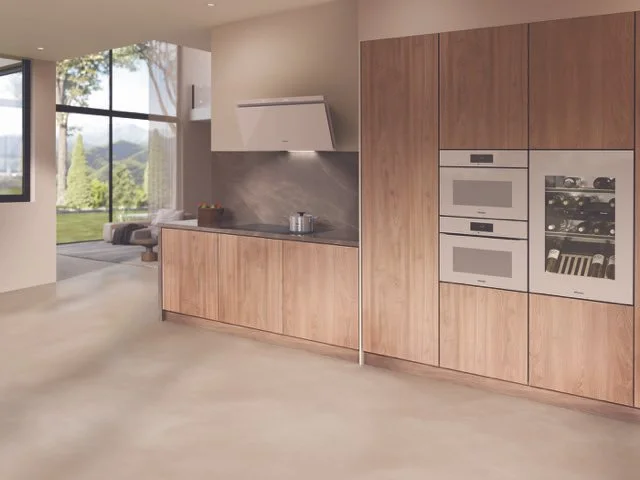
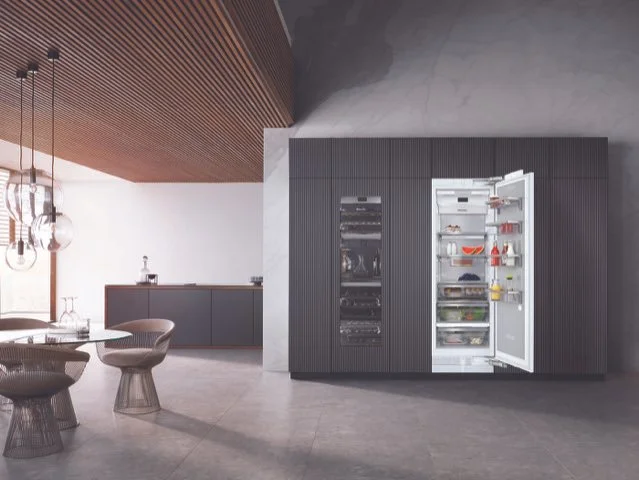
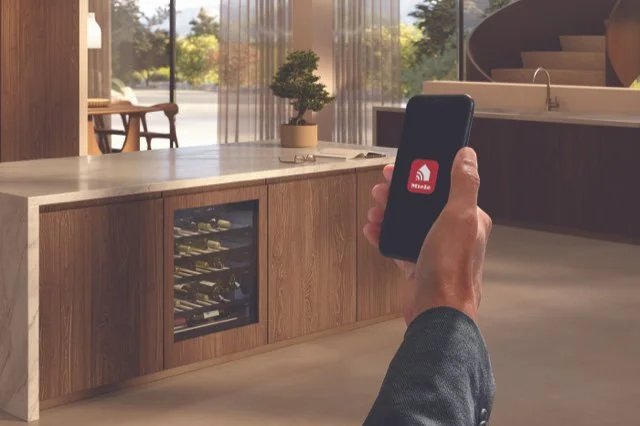
Wine storage is no longer confined to cellars or hidden utility spaces. In contemporary homes, it has become part of the kitchen itself, integrated into cabinetry and considered alongside ovens, refrigeration and cooktops as part of the architectural plan.
As open-plan living continues to influence residential design, the kitchen has evolved into a multifunctional social space. It is where meals are prepared, guests gather and everyday rituals unfold. Once reserved for formal occasions, wine is now opened midweek, poured at the island and shared in the flow of daily life.
“Luxury today is defined less by display and more by how a home supports the way people actually live,” says Sicelo Champion, Head of Brand Activation and Own Retail for Miele South Africa. “Clients want wine stored properly, but they also want it integrated into the kitchen environment rather than separated from it.”
Designing wine into the architecture
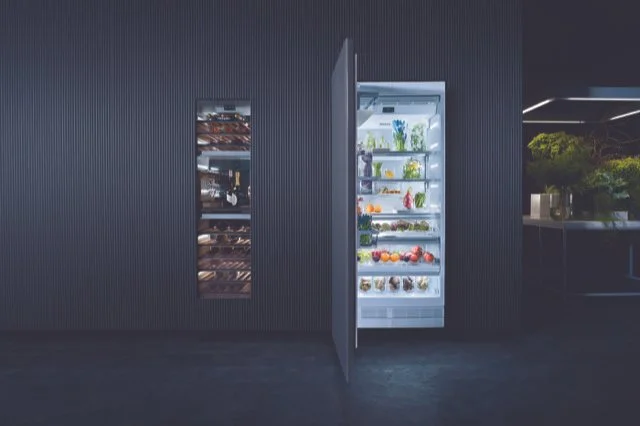
For architects and interior designers, this shift has practical implications. Wine storage is increasingly specified within joinery, positioned under counters or built into tall cabinetry. It must meet the same standards of performance as a traditional cellar, while aligning visually with the broader kitchen aesthetic.
Miele’s wine conditioners are engineered to replicate professional storage conditions within a compact, built-in format. Temperature stability is maintained with precise electronic control, and select models offer multiple temperature zones to accommodate different varietals simultaneously. UV-resistant glass doors protect against light exposure, while low-vibration compressors minimise disturbance to sediment. Active charcoal filtration supports clean internal air circulation.
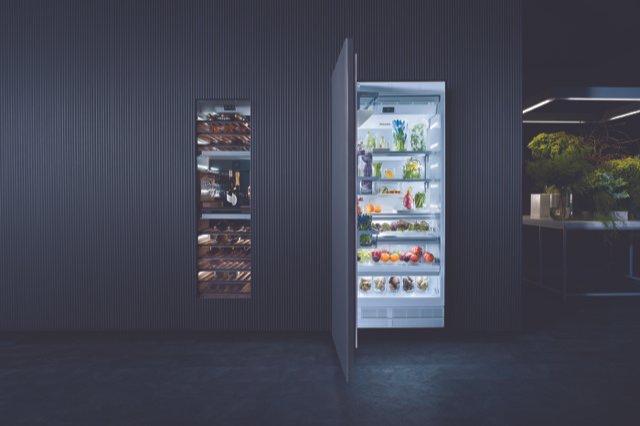
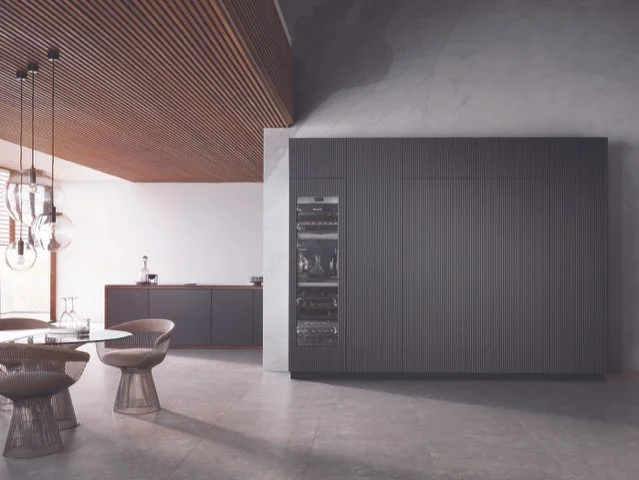
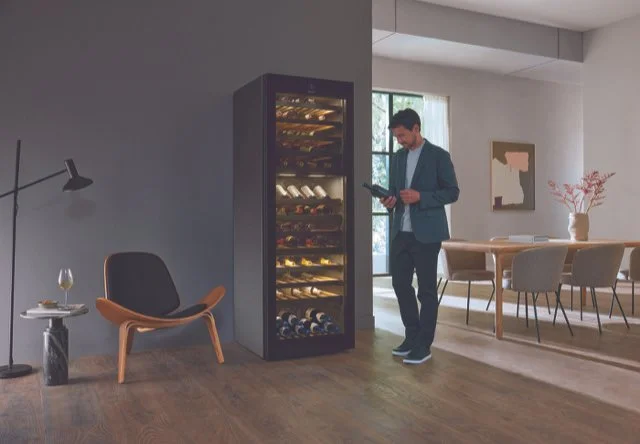
Says Champion: “These technical considerations are not decorative extras. Even small fluctuations in temperature can affect ageing and flavour development. For clients investing in quality wine, correct storage is increasingly viewed as essential and Miele is there to provide it.”
Informal entertaining, professional standards
The rise of open kitchens has changed how South Africans host. Entertaining has become more relaxed, yet more intentional. Shared platters often replace formal dining, and the kitchen has evolved into the social anchor of the home.
Within this context, wine plays a central role. Serving it at the correct temperature enhances the experience without complicating it. Multiple temperature zones allow whites and reds to be stored simultaneously at optimal conditions, ensuring bottles are ready when guests arrive.
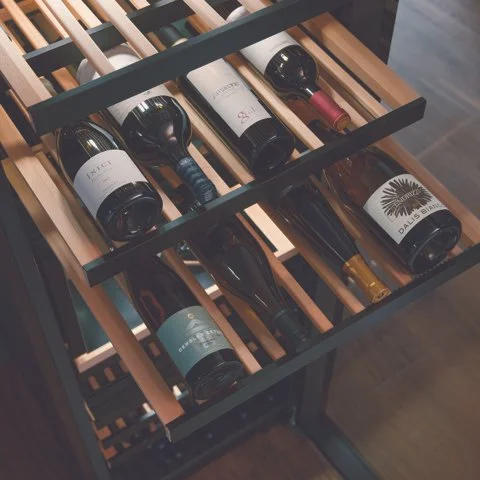
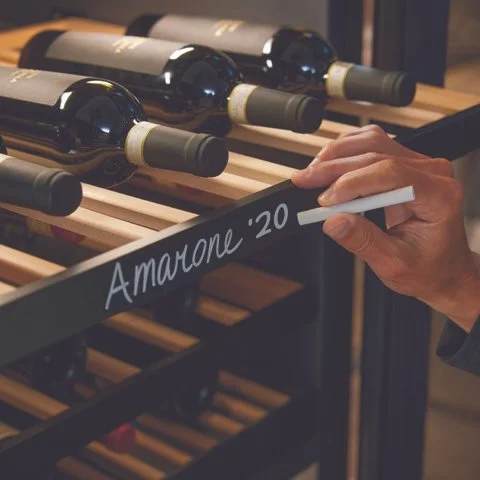
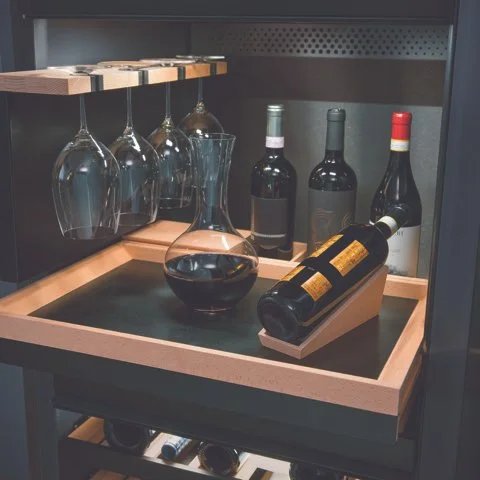
Interior lighting and refined shelving systems allow labels to be viewed clearly while maintaining protective storage conditions. The result is a balance between display and discretion.
Compact living, considered performance
Urban homes and apartments demand efficiency without compromise. Built-in appliances are selected not only for aesthetics but for how intelligently they use space.
A wine conditioner positioned beneath a worktop or integrated into an island supports spontaneous gatherings without taking up too much space or adding any visual clutter. Clean lines and restrained detailing allow it to align with contemporary cabinetry, reinforcing the architectural coherence of the kitchen.
“For designers and developers, this integration reflects a broader shift toward purposeful specification. Appliances are no longer stand-alone additions but embedded components of the overall design strategy. It also aligns perfectly to how space is often at a premium in modern homes,” explains Campion.
Built for the long term
Performance and durability have become defining criteria in residential specification. Like all Miele appliances, the brand’s wine conditioners are designed, tested and manufactured to last for a minimum of 20 years. This long lifespan translates into tangible return on investment, protecting the initial capital outlay over decades of use.
Durability also carries environmental weight. Products engineered to endure reduce the need for premature replacement, lowering material consumption, manufacturing demand and associated carbon impact. In an industry increasingly focused on responsible design, longevity strengthens a project’s sustainability credentials in a meaningful and measurable way.
In the premium residential sector, endurance is more than a practical advantage. It is a marker of quality and a defining characteristic of true luxury. Long-term reliability reinforces client confidence and supports perceived property value. Specifiers are looking beyond finishes and façades to understand the engineering integrity behind the cabinetry.
“Clients are increasingly aware of reliability and precision,” says Champion. “They want reassurance that performance will match the investment over time.”
A Shift in the perception of modern luxury
South Africa’s wine culture has moved well beyond special occasions. It is woven into everyday living, and that evolution is shaping residential design. As consumers become more knowledgeable about provenance, ageing potential and correct serving temperatures, proper storage is no longer viewed as an optional extra but as an architectural consideration.
The integration of wine conditioning into the kitchen is therefore not about convenience alone. It reflects a wider shift in how luxury is defined. In today’s premium homes, engineering integrity, spatial intelligence and enduring performance carry more weight than visual impact. Appliances are chosen for how they perform over decades, not simply how they look on installation.
Champion believes this marks a turning point in specification. “Wine is no longer hidden away or treated as secondary,” he concludes. “True luxury is measured in consistency and longevity. When wine is stored correctly and the appliance is built to perform for decades, it becomes part of the home’s long-term value. That philosophy aligns closely with Miele’s guiding principle of ‘Immer besser’ or ‘Forever better’: a commitment to continuous improvement and performance that stands the test of time.”
For more information, visit www.miele.co.za.