
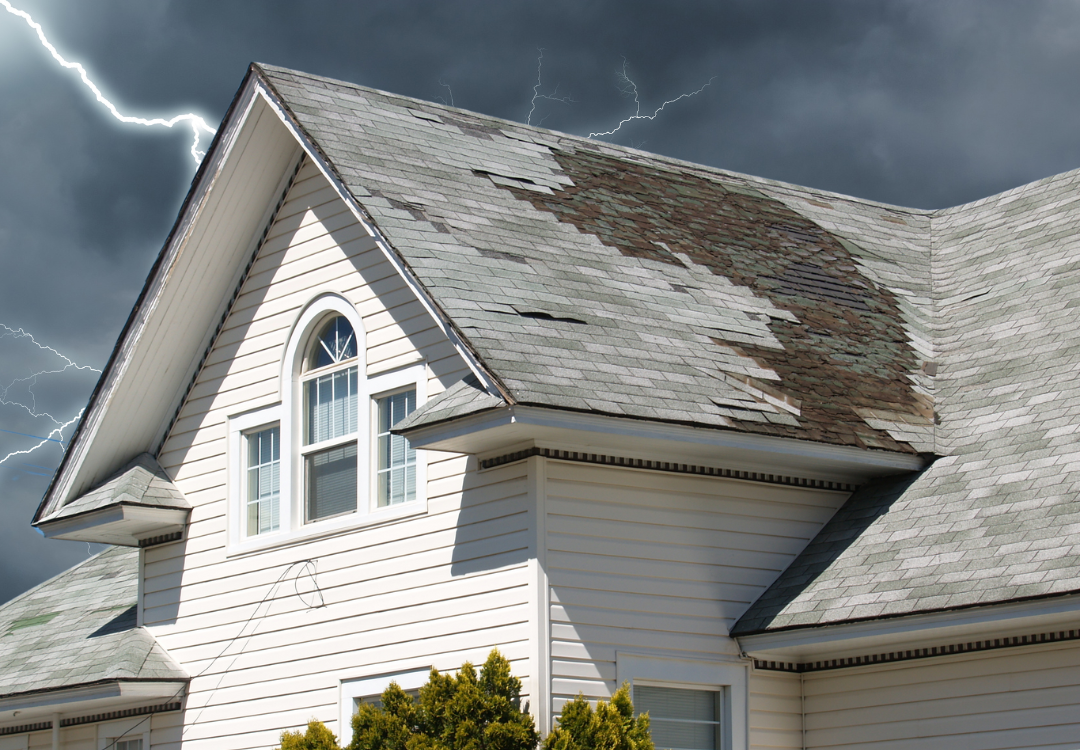
Protect Your Home From Storm-Related Roof Damage
Severe weather can strike your neighborhood without much warning. Strong winds, heavy downpours, and pounding hail test the strength of your house every year. Your roof stands as the primary shield against these harsh outdoor elements.
Taking proactive steps to maintain this barrier saves you thousands of dollars in emergency repairs. Preparing your property ahead of time keeps your family safe and dry during intense weather events. A sturdy roof gives you complete peace of mind throughout the wettest seasons of the year.
Spotting Potential Hazards Early
Regular inspections form the backbone of a solid home maintenance plan. You can find more on this here by examining your shingles after any major windy day. Look for loose materials or cracked pieces that might let moisture seep underneath.
Catching these small problems right away prevents major headaches later on. Walk around your yard with binoculars to safely check higher peaks without climbing a ladder.
Understanding The High Risk of Storm Claims
Storms create massive financial burdens for homeowners across the country every single season. A report from an insurance industry group reveals that wind and hail storms cause nearly half of all property damage claims. This high number shows why reinforcing your home matters so much.
A local government guide notes that older properties neglecting modern building codes suffer the most from wind force and water leaks. Upgrading your materials can prevent these vulnerabilities from destroying your structural safety. Spending a small amount on reinforcement protects your equity over the lifespan of your home.
Managing Nearby Trees and Branches
Heavy branches hanging over your property pose a direct threat when high winds hit. Strong gusts easily snap limbs, sending them crashing straight into your shingles. A safety publication issued by a federal emergency agency recommends keeping your house at least 40 feet away from full-grown trees.
This distance matches the typical height of a mature tree to prevent direct impact during a collapse. Trimming limbs back safely creates a defensive perimeter around your roofline. You protect your shingles and gutters from constant friction during breezy days too. Dead wood should be removed immediately before storm season's peak.
The Role of Clean Gutters
Water must flow freely away from your house to prevent severe interior leaking. Clogged gutters force pooling water backward under your shingles during a heavy downpour. An educational piece from a home builders association highlights the severe risks of poor drainage.
Spilling water can saturate the ground near your foundation walls.
This pooling leads to basement flooding and long-term structural weakening.
A consumer protection update states that clear gutters prevent ice dams by letting melted snow drain away without freezing.
Upgrading Material Standards for Better Defense
Investing in high-quality materials provides lasting security against extreme weather shifts. Standard shingles might fail under intense pressure - but impact-rated options offer superior resilience. An article by a regional roofing association suggests cleaning out your gutters on a regular schedule to stop standing water from rotting your eaves.
When replacing your roof covering, pay attention to exact manufacturing ratings. A consumer safety group points out that top-tier wind-resistant shingles carry an ASTM D3161 Class F or ASTM D7158 Class H rating. Selecting these products gives your household peace of mind when the local news predicts high winds.
Quick Action Minimizes Internal Damage
Even the strongest roofs can suffer minor issues during unprecedented weather events. Fast responses stop tiny leaks from turning into massive mold outbreaks inside your attic walls. A roofing repair guide explains that heavy-duty emergency tarps stand out as a highly effective temporary protection tool.
Securing a tarp over the damaged section blocks incoming rain until a professional team arrives for permanent repairs. This quick fix protects your ceilings, electronics, and personal belongings from ruin. Keep a tarp stored in your garage for unexpected situations so you can react immediately after a storm clears.
Scheduling Professional Inspections
Professional roofers spot hidden issues that untrained eyes easily miss from the ground level. They check the flashing around chimneys, vents, and valleys where water naturally concentrates. These specialists evaluate the condition of the underlayment beneath your shingles to verify total waterproof safety.
Getting an annual checkup extends the lifespan of your property significantly. You can use these detailed reports when filing claims with your insurance provider later. Regular documentation makes the claims process much smoother if a disaster occurs.
Maintaining a secure roof takes some effort, but the long-term benefits remain undeniable. Taking care of small repairs today shields your entire property from unexpected storm damage down the road. Keep your gutters clear, trim those overhanging branches, and select durable materials for maximum safety.
Your home represents one of your biggest lifetime investments. Protecting it from harsh weather keeps your living space comfortable and secure for many years ahead. Taking action now prevents costly headaches when the next heavy storm arrives.